8 hr 30 min
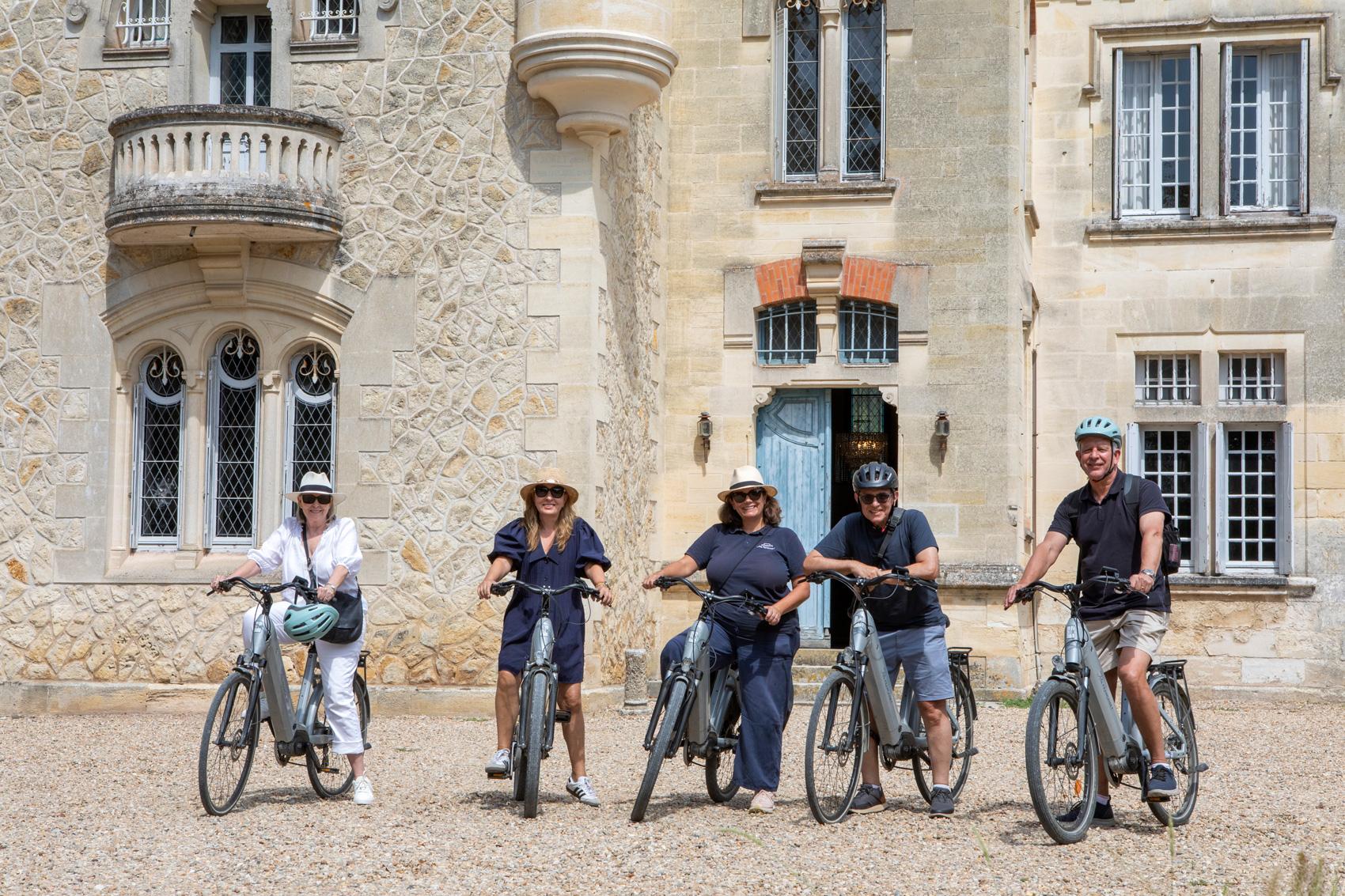
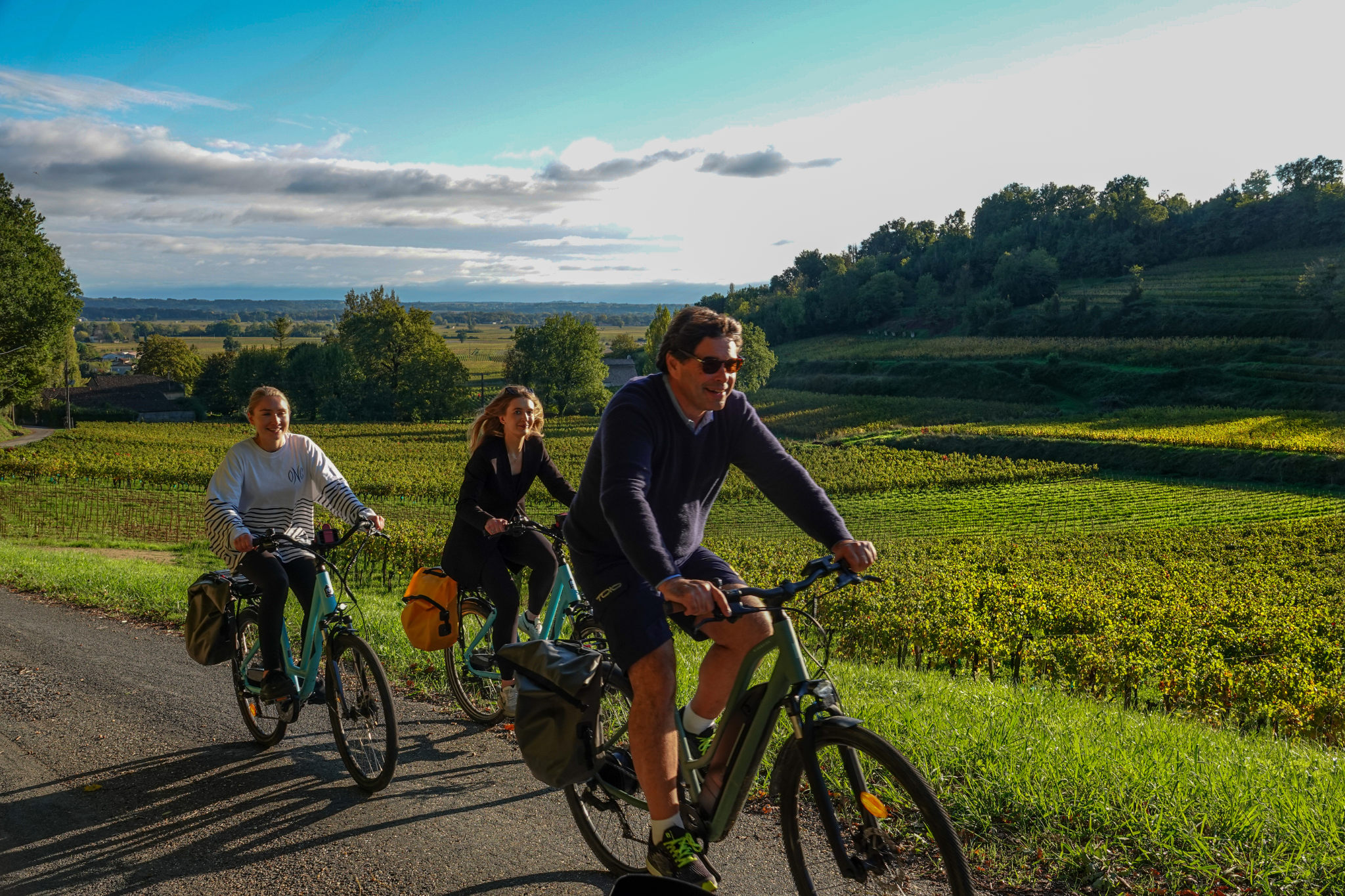
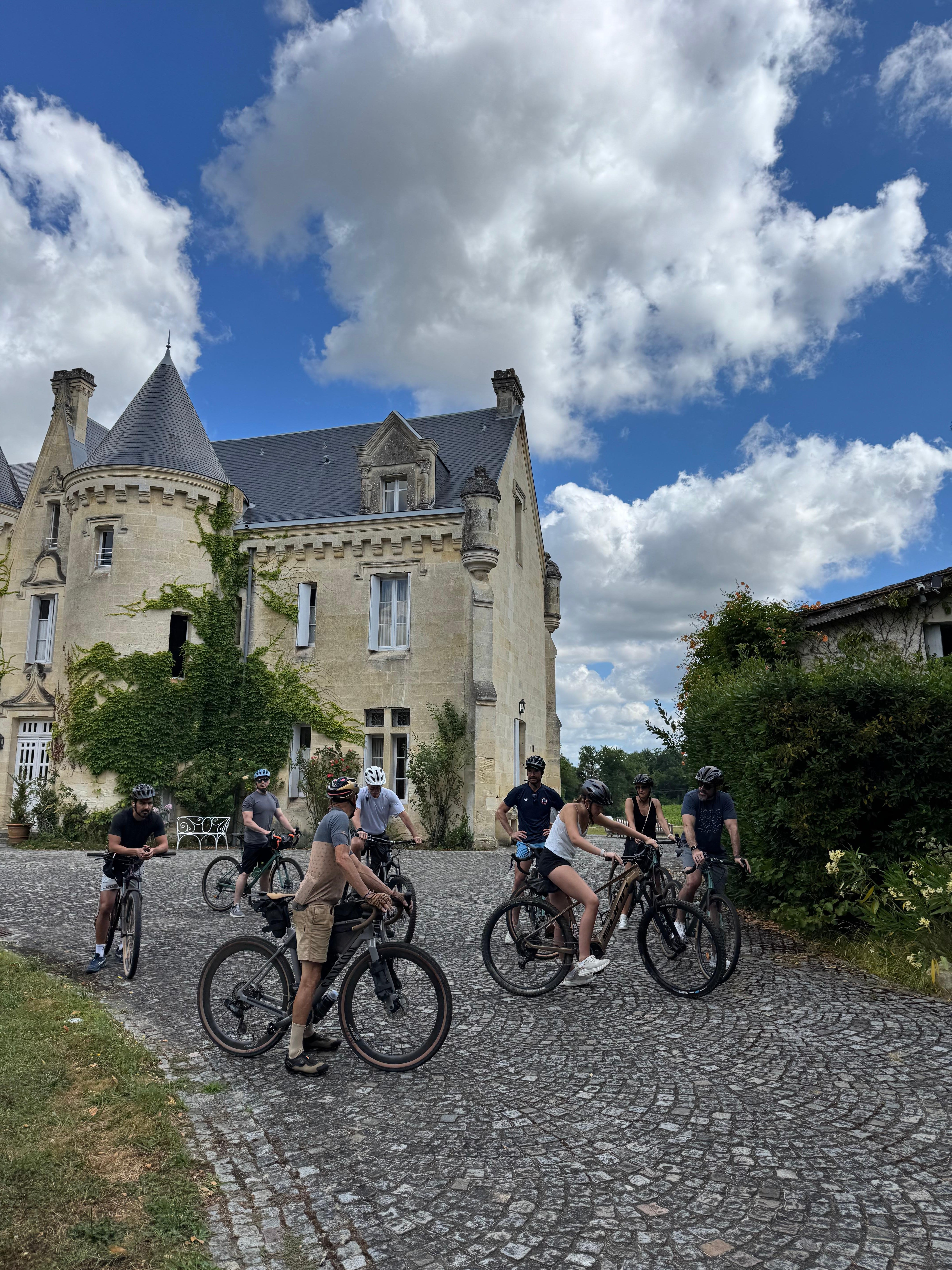
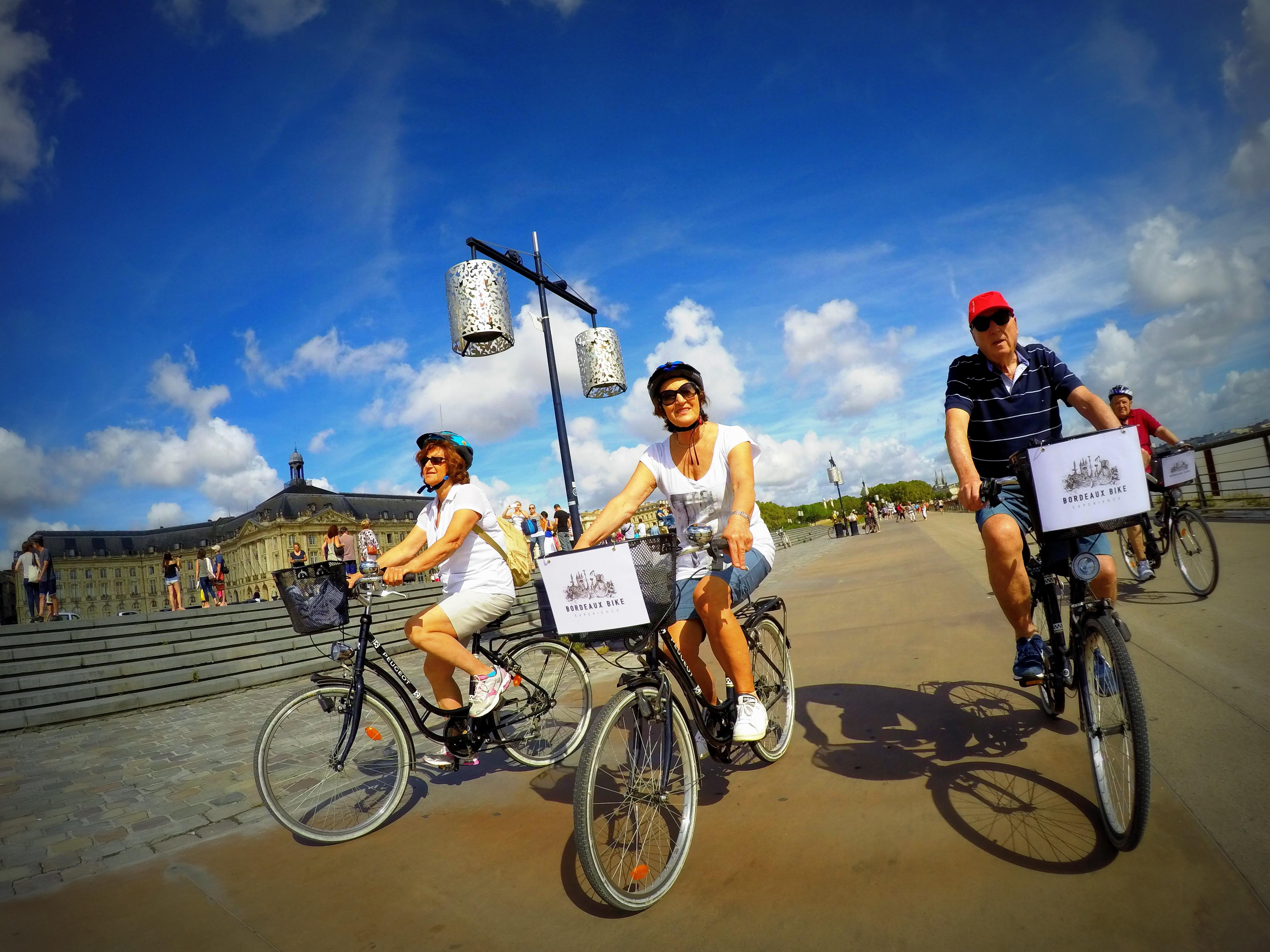
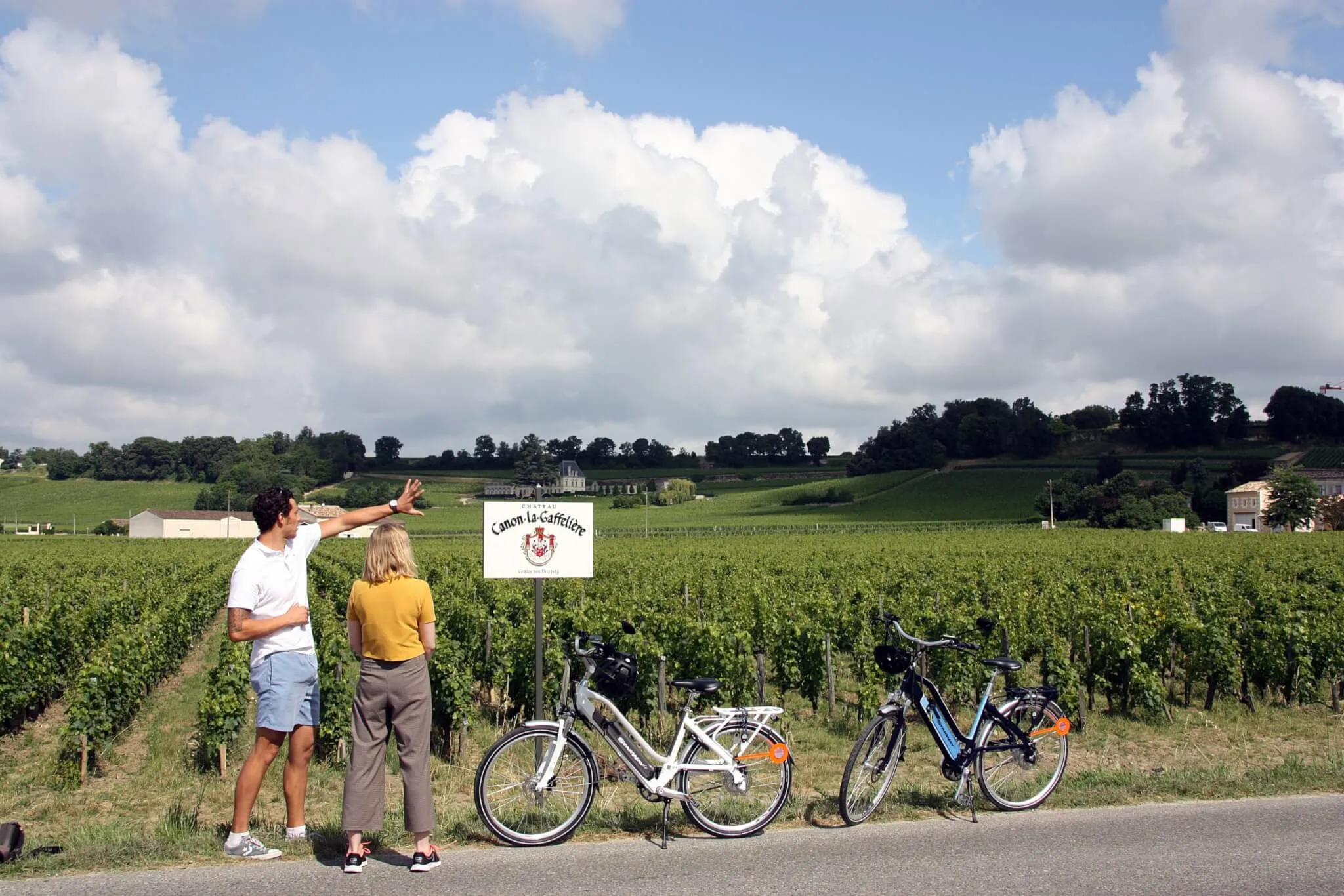
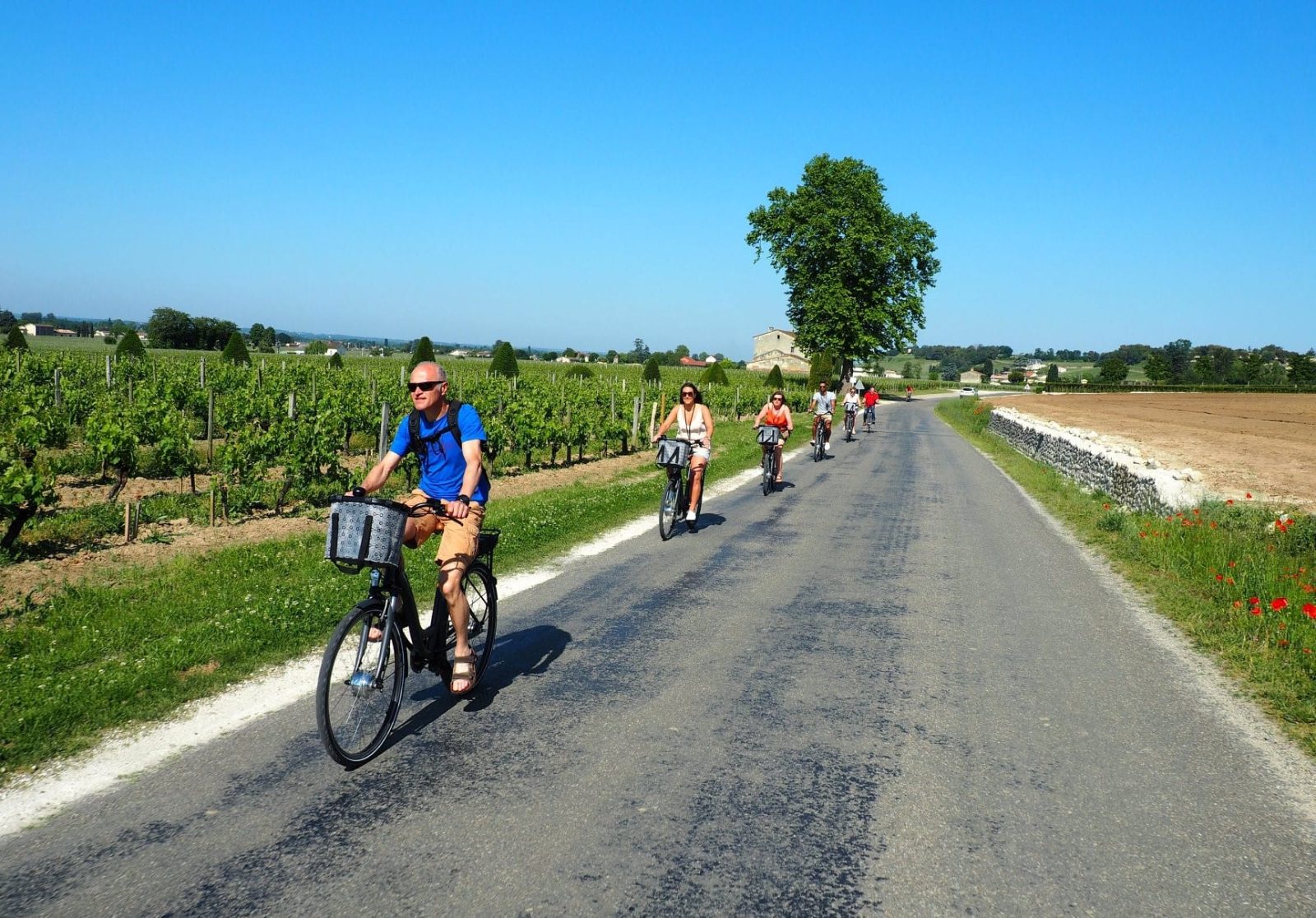
St-Emilion E-Bike Wine Tour with Château Visits & Lunch
- Expert local guide
- Small group
- Skip-the-line access
- Free cancellation
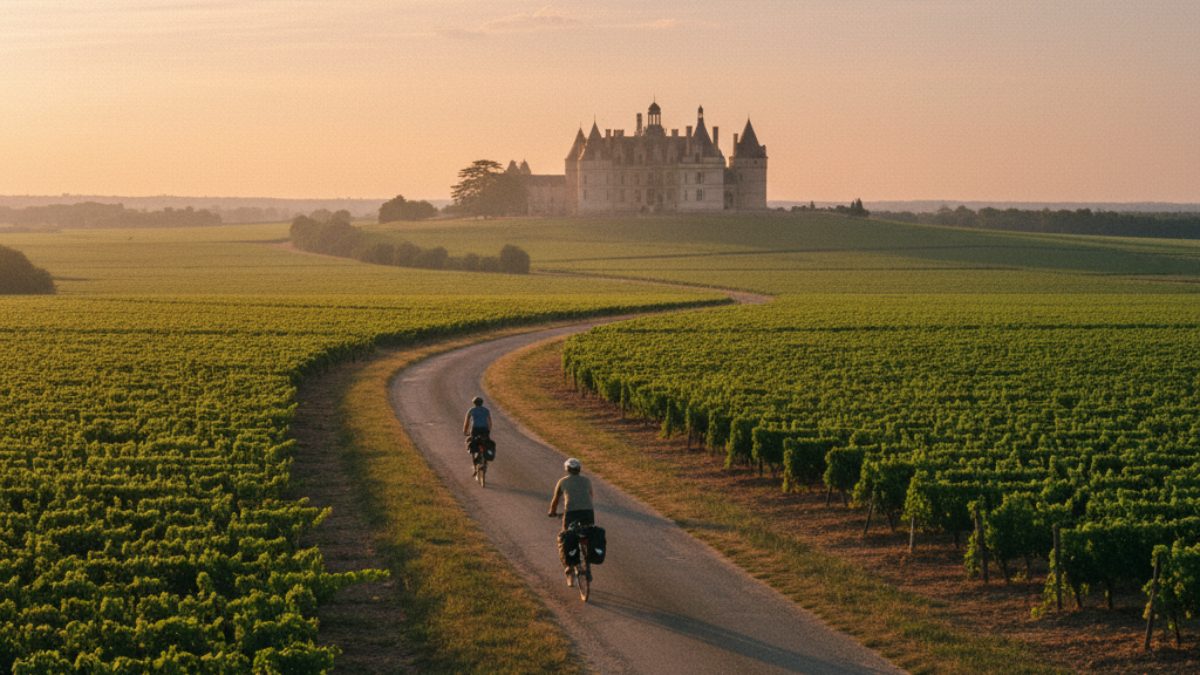
Bordeaux Wine Tour Bike — E-Bike Routes Through UNESCO Vineyards
Pedal through St-Émilion's hillside châteaux, stop where grands crus age in limestone cellars
Compare fares, pick the fit — all bookings are mobile-voucher and eligible for free cancellation where shown.
8 hr 30 min
7 hr
5 hr 30 min
| Experience | Duration | Rating | Skip-the-line | Guide | Small group | Free cancel. | Price | |
|---|---|---|---|---|---|---|---|---|
|
Guided Experience
Most popular
St-Emilion E-Bike Wine Tour with Château Visits & Lunch
|
8 hr 30 min | ★ 4.9 | ✓ | ✓ | ✓ | ✓ | €109 | Book → |
|
Guided Experience
St. Émilion Electric Bike Wine Tour with Lunch
|
7 hr | ★ 4.9 | ✓ | ✓ | ✓ | ✓ | €149 | Book → |
|
Standard Entry
Entre-deux-Mers E-Bike Wine & Lunch Tour
|
5 hr 30 min | ★ 4.8 | — | ✓ | ✓ | ✓ | €130 | Book → |
Worth it for immersive wine education seekers
A bordeaux wine tour bike with chateau visits and lunch runs €120–180 per person, significantly more than self-guided bike rental at €25–40 daily. The premium buys structured access to private estates like those in St-Emilion or Entre-deux-Mers, where independent cyclists face closed gates or tasting fees of €15–25 per stop. Guided tours include equipment maintenance, route planning through vineyard lanes, and expert commentary on appellations and winemaking techniques—context you won't get pedaling solo. Lunch typically features local charcuterie and cheese paired with estate wines, adding €30–40 of value. The gravel bike option suits experienced riders wanting physical challenge alongside wine education, while e-bike tours make rolling terrain accessible for casual cyclists. For travelers prioritizing convenience and curated tastings at premier chateaux, bordeaux wine tour bike tickets deliver measurable value. Budget-conscious visitors comfortable navigating independently can rent bikes and book chateau visits separately, though coordination effort increases and some estates remain inaccessible without tour partnerships.
Bottom line: Paid bordeaux wine tour bike experiences justify their cost when chateau access and wine education matter more than independent flexibility.
Guided bordeaux wine tour bike tours offer curated expertise and seamless logistics, while self-guided rentals provide total autonomy; most visitors find the guided experience more immersive for learning about the viticulture of the region.
|
Top pick Guided Tour |
Self-Guided Rental | |
|---|---|---|
| Logistics | Managed transport and support | Fully independent planning |
| Navigation & Mapping | Expert-led routes provided | Rider-selected trail maps |
| Wine Knowledge Access | Professional sommelier insight | Independent research required |
| Flexibility | Fixed itinerary and schedule | Complete freedom to roam |
| Cost-Efficiency | Premium inclusive pricing | Lower daily rental fees |
| Social Experience | Group setting for travelers | Private or solo travel |
| See tickets & prices |
Verdict: If you prioritize deep learning and ease of movement, choose a bordeaux wine tour bike excursion, whereas independent adventurers should secure bordeaux wine tour bike tickets for flexible, self-guided rental access.
Hand-picked experiences loved by thousands of travelers
4 hours
Free Cancellation
Pedal from city landmarks to countryside vineyards on this half-day gravel cycling adventure with winery visit
3 hours
Free Cancellation
Pedal through UNESCO heritage sites and lively neighborhoods on a 3-hour guided cycling adventure
2.5 hours
Free Cancellation
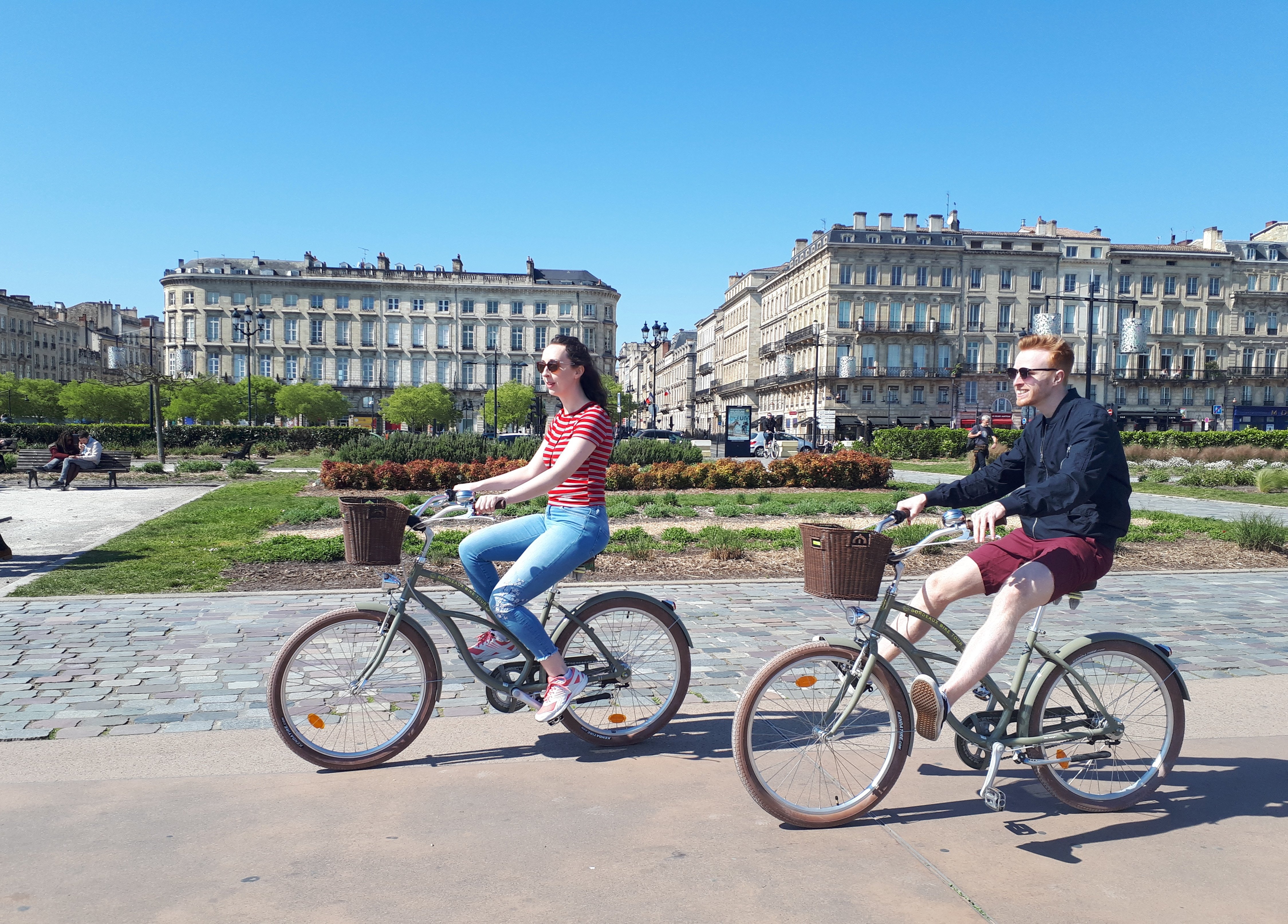
Cycle through Bordeaux's most iconic sites on vintage beach cruisers with a knowledgeable local guide
3 hours
Free Cancellation
Pedal through a UNESCO World Heritage city with an expert local guide on a comfortable bike tour
3 hours
Free Cancellation
Pedal through UNESCO-listed streets and riverside paths while exploring Bordeaux's top landmarks with a local guide.
4.5 hours
Free Cancellation
Explore a UNESCO village and taste premium wines at a family-owned grand cru château
9 hours
Free Cancellation
Explore two prestigious wine regions with expert-led tastings at three estates and a gourmet picnic lunch
4 hours
Free Cancellation
Journey through prestigious vineyards, taste Grand Cru wines, and explore historic châteaux in Bordeaux's renowned Margaux appellation.
Meet at the tourism office for bike fitting
Review cycling rules and route maps
Cycle through regional estate trails
Visit a local chateau for wine sampling
You collect your e-bike at the Bordeaux Tourism Office on Cours du 30 Juillet at nine in the morning, adjusting the saddle height while your guide reviews the day's route on a laminated map.
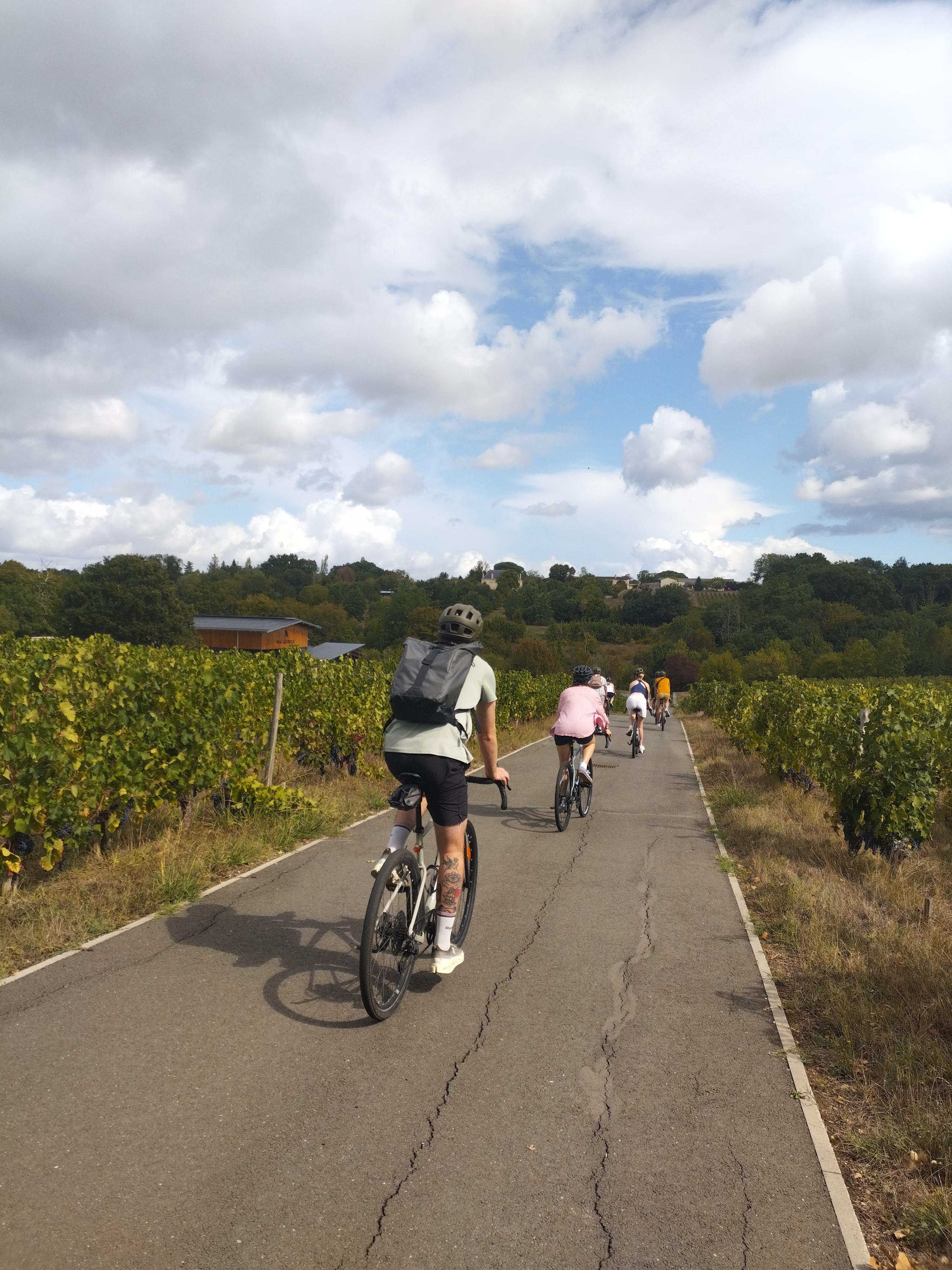
The group rolls south along the Garonne quays, past the Place de la Bourse's reflecting pool, then crosses the Pont de Pierre's seventeen arches toward the right bank. By nine forty-five you've left the city, pedalling the Roger Lapébie greenway through pine groves and sunflower fields, the electric motor flattening gradients as the path climbs toward Créon.
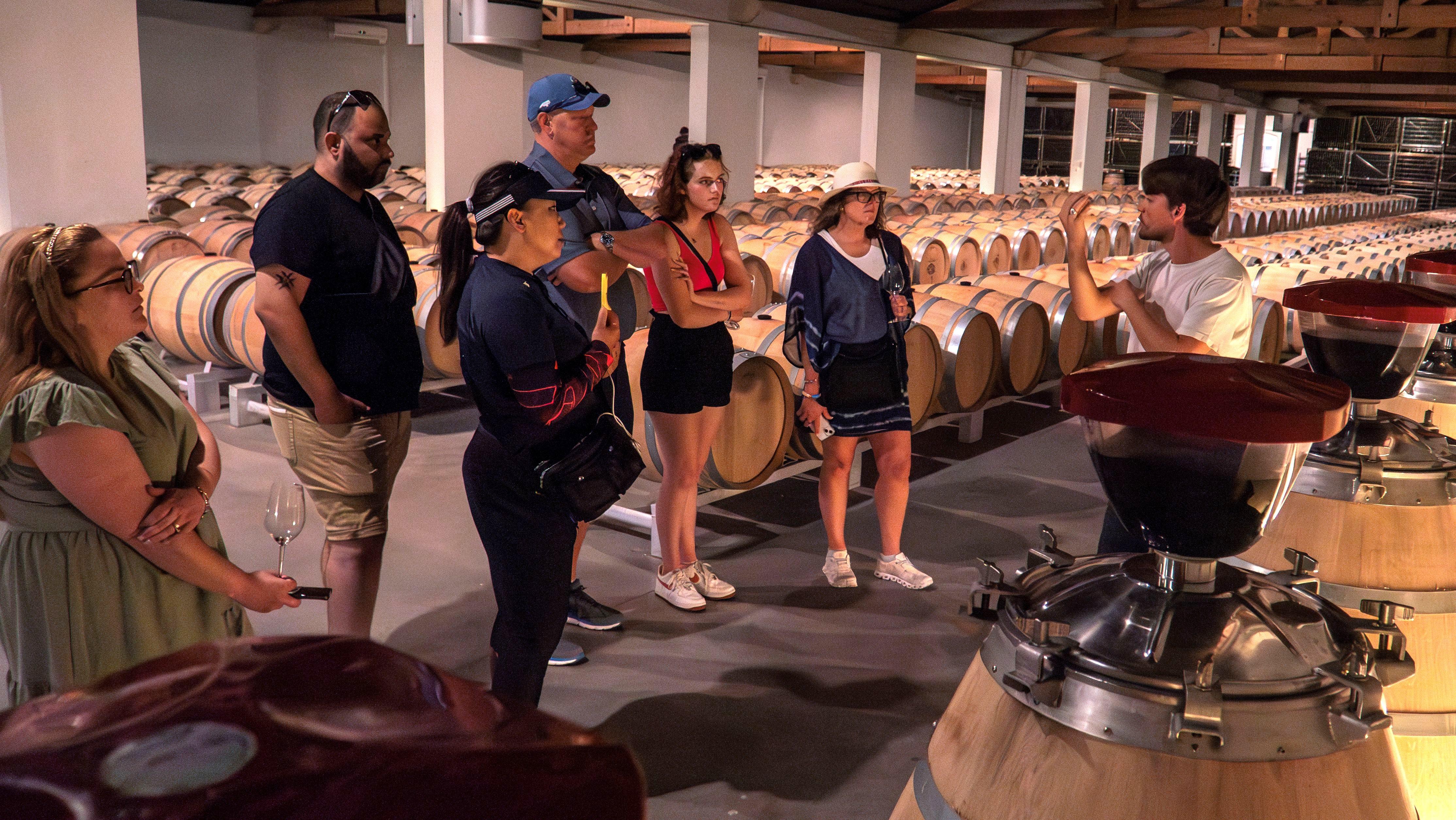
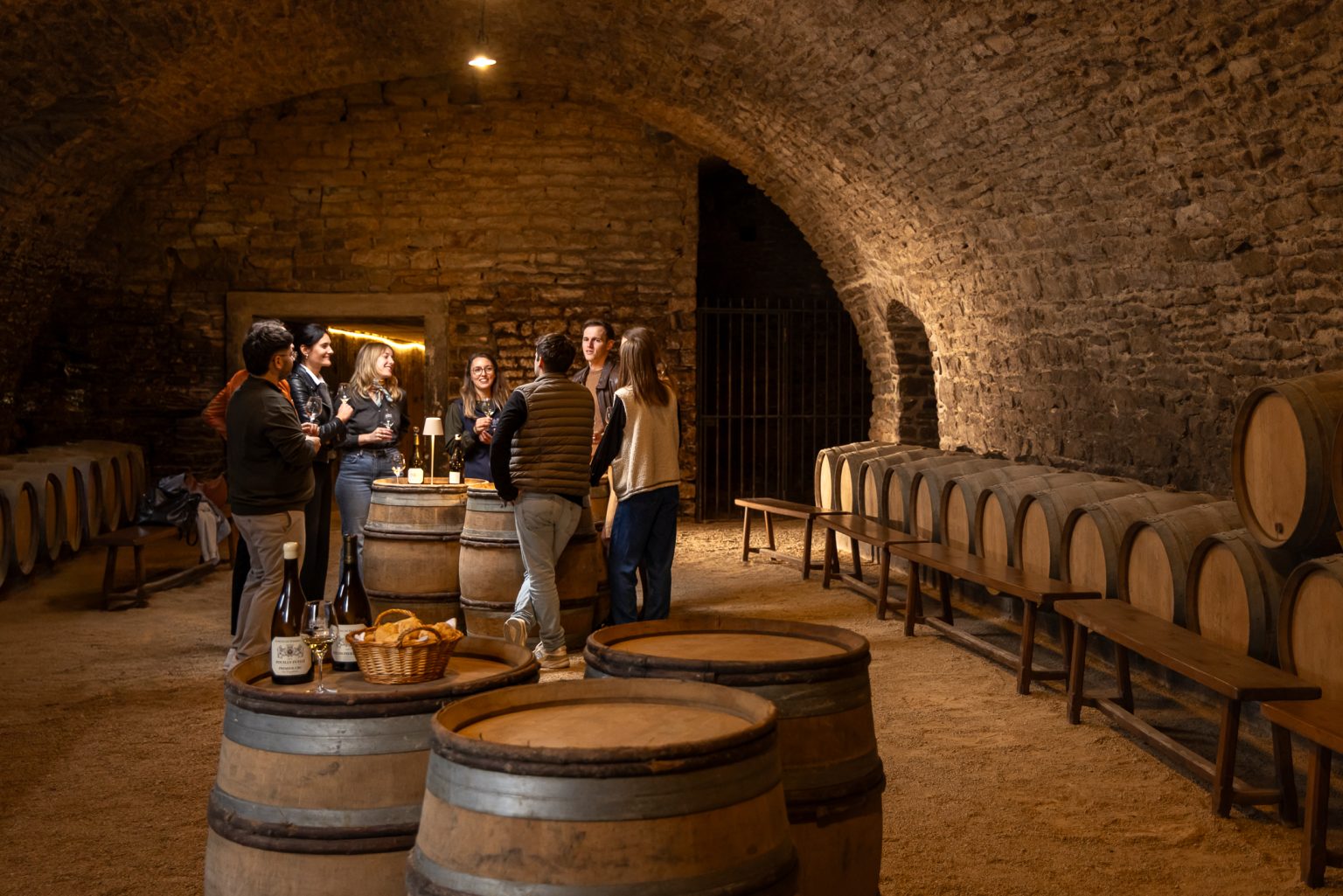
Your first château visit begins at eleven. You lean your bike against stone walls warmed by September sun, descend into a cellar where oak barrels rest on gravel floors, and taste three vintages poured by the winemaker himself—he explains malolactic fermentation while you swirl a 2022 Merlot still tight with tannin. Back on the route, you stop in Sauveterre-de-Guyenne for lunch: duck confit, walnut salad, a half-bottle of Cadillac Côtes de Bordeaux. The afternoon leg cuts through Sainte-Foy-la-Grande's bastide arcades, then loops back west along back roads edged with brambles heavy with blackberries. You reach a second estate at three-thirty, this one offering vertical tastings in a modern chai with floor-to-ceiling glass overlooking vine rows. By five you're coasting back into Bordeaux, legs pleasantly tired, two bottles in your pannier, and the taste of limestone-driven Sauvignon Blanc still on your palate.
All the details about your upcoming adventure in one place
The Roger Lapébie cycle path, opened in 2009 along a disused railway line, connects Bordeaux to Sauveterre-de-Guyenne across sixty-one flat kilometres through the Entre-deux-Mers appellation.
The route passes nineteen villages, seven Romanesque churches, and forty-three working estates, most of which welcome drop-in tastings between April and October. Unlike the car-dependent châteaux circuits of the Médoc, this greenway allows cyclists to reach cellars inaccessible by public transport, linking minor appellations—Cadillac Côtes de Bordeaux, Premières Côtes de Bordeaux, Graves de Vayres—that rarely appear on coach itineraries.
Bordeaux's cycling infrastructure expanded rapidly after the city secured UNESCO World Heritage status in 2007 for its eighteenth-century port architecture. The municipal bike-share system, V³, installed eight hundred docking stations by 2010, and dedicated cycle lanes now trace both banks of the Garonne from the Chartrons wine-merchant district to the Cité du Vin. The system integrates with regional routes: the Voie Verte Roger Lapébie east toward St-Émilion, the Canal de Garonne towpath south to Langon, and the Vélodyssée Atlantic coastal path west through the Graves. Electric bikes, introduced by commercial operators in 2015, opened the steep villages of St-Émilion and Canon-Fronsac to riders who previously avoided gradient.
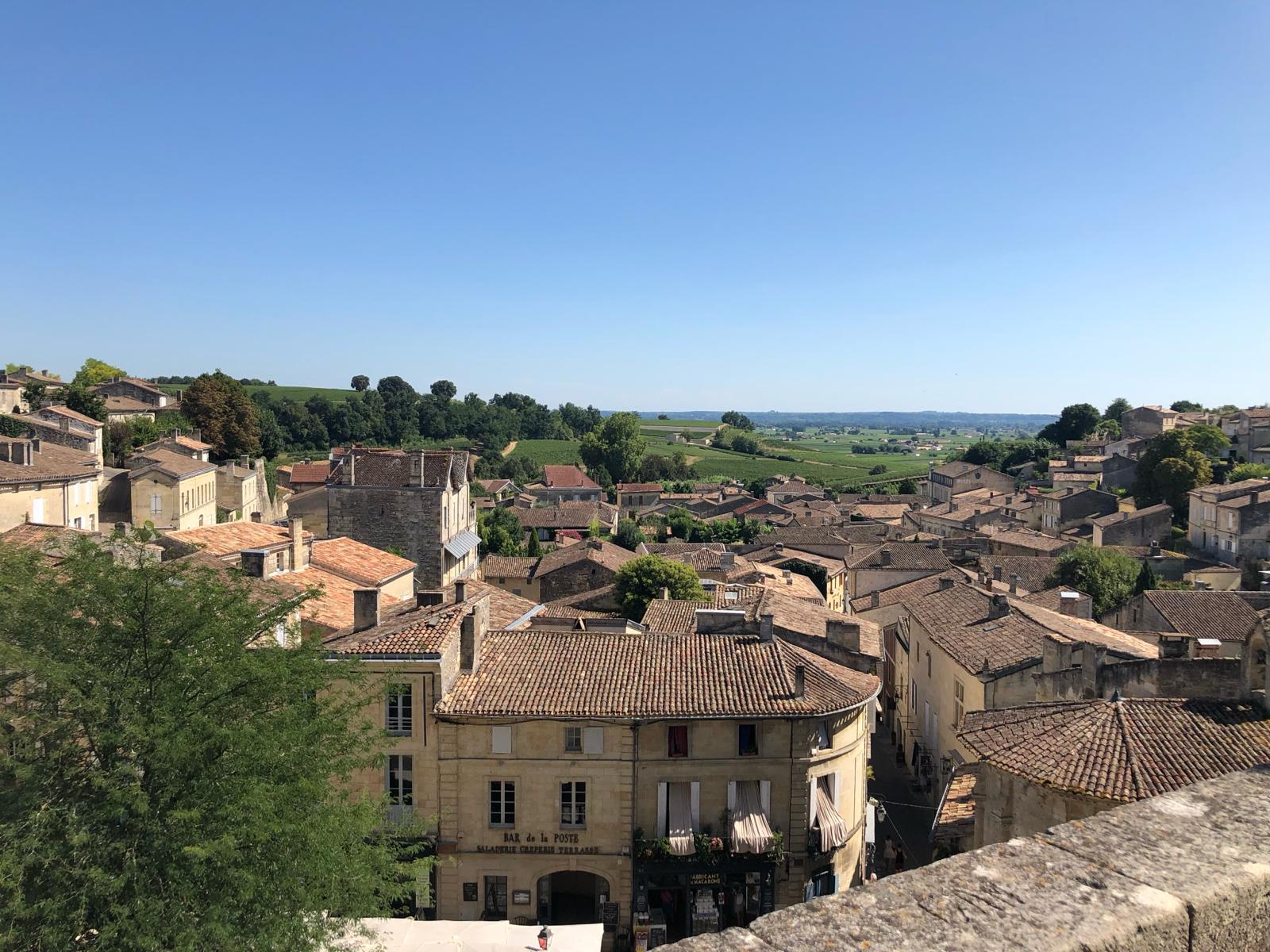
St-Émilion, eight UNESCO-listed square kilometres on a limestone plateau, holds three hundred producers within its appellation boundaries. Narrow lanes climb past underground monolithic chapels and cellars carved into tufa, the porous stone that regulates humidity in barrel rooms three centuries old. The village centre bans motor traffic from May through September, making bicycles the practical choice for château-hopping. Most estates require advance booking for cellar tours, but roadside tasting rooms along the D243 and D122 accept walk-ins. The Route des Châteaux, a thirty-eight-kilometre loop through Pomerol and Lalande-de-Pomerol, connects fifteen properties offering vertical tastings of single-vineyard cuvées.
Gravel bikes, with wider tyres suited to unpaved vineyard access roads, gained traction in the region after 2018 when several estates opened private tracks linking their parcels. These routes bypass public roads entirely, threading through rows of Merlot and Cabernet Franc at harvest time, when mechanical pickers work dawn shifts and the smell of crushed grapes saturates morning air. Rental shops in Bordeaux and St-Émilion stock gravel models with pannier racks, allowing riders to carry wine purchases without courier arrangements.
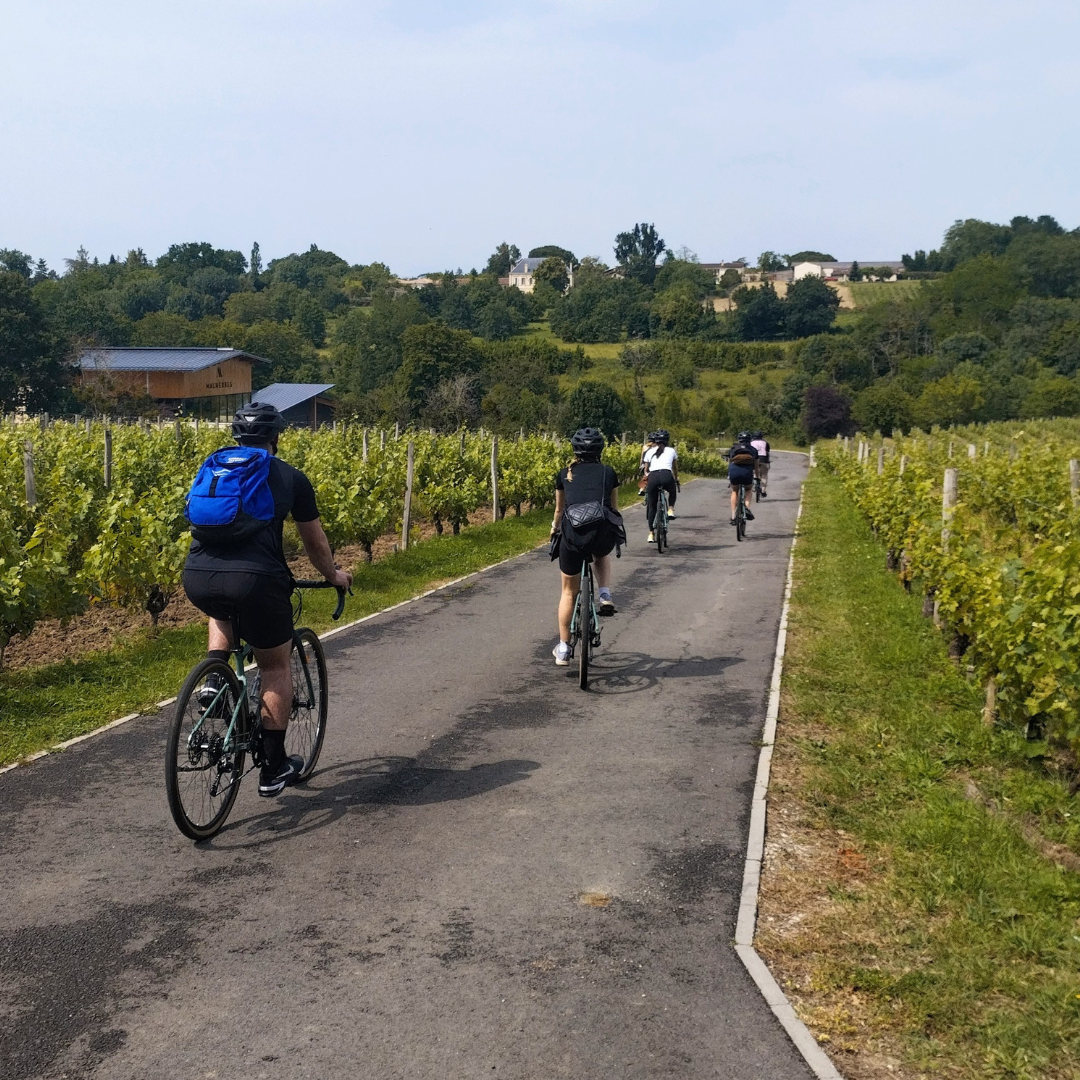
The Roger Lapébie cycle path links forty-three working estates across sixty-one flat kilometres, most of which welcome drop-in tastings between April and October.
Wear comfortable athletic clothing suitable for cycling and closed-toe shoes. Dressing in layers is recommended as temperatures fluctuate during a bordeaux wine tour bike experience.
Only bring small backpacks that fit comfortably while riding. Large luggage cannot be accommodated on a bordeaux wine tour bike tour.
Photography is encouraged throughout the vineyard landscapes. Please respect privacy at private estates during your bordeaux wine tour bike excursion.
Age restrictions apply for child seats or youth-sized bicycles. Most bordeaux wine tour bike tours are best suited for teenagers and adults.
Cycling routes involve varied surfaces including gravel and paved roads. Contact your specific bordeaux wine tour bike operator to confirm if electric bikes are available for easier navigation.
Water bottles are permitted and encouraged to stay hydrated. Food consumption is generally limited to scheduled stops included in your bordeaux wine tour bike visit.
Opening Hours
09:00–18:00
Address
Bordeaux Tourism Office, 12 Cours du 30 Juillet, 33000 Bordeaux, France
Accessibility
Routes vary by terrain
Best arrival window
09:00–10:00
Storage
Not available at meeting point
Official site
https://www.bordeaux-tourism.co.uk
Public transport · Varies · Low
Tram lines B and C stop near the tourism office.
Bike · N/A · Low
Several public bike stations are available throughout the city center.
Cancellation policies depend on the individual operator of the bordeaux wine tour bike. Please verify specific terms provided at the time of booking for your bordeaux wine tour bike tickets.
Recommended time
Full day
Navigating the vineyards on a bordeaux wine tour bike requires a full day to appreciate the rolling terroir and stop at chateaux. While cyclists can breeze through shorter bike tours of the city center in a few hours, reaching the prestigious estates of Saint-Émilion or the Médoc demands more travel time between property gates. Bookings for bordeaux wine tour bike tickets often include scheduled tastings, so maintain a steady pace to ensure you arrive during quiet periods when cellar masters are most available. Most bordeaux wine tour bike tours remain manageable if you plan for leisurely transit between tasting rooms.
Crowd levels through the day
Weather · crowds · average price — dots go green to amber to red as each metric rises.
Mild temperatures make for pleasant riding conditions through the green vines.
Warm weather is ideal but start early to avoid the midday sun.
Harvest season offers dynamic scenery and cooler, crisp morning air.
Current month provides excellent temperatures for a bordeaux wine tour bike outing.
Bring more water than you think you need for your bordeaux wine tour bike ride. Summer months can get quite warm in the open vineyard fields.
12 Cours du 30 Juillet, 33000 Bordeaux, France
Main meeting point for most operators
Get directionsThe Bordeaux wine region's viticultural identity emerged under Roman occupation in the first century CE, when soldiers planted vines along the Garonne estuary and established trade routes that would define the region for two millennia. By 1152, Eleanor of Aquitaine's marriage to Henry II transferred Bordeaux to English control, triggering three centuries of preferential export access that established claret as England's wine of choice. The Dutch drained the Médoc marshlands in the seventeenth century, creating the gravelly plateau that now supports Pauillac and Margaux. In 1855, Napoleon III commissioned the official classification system for the Exposition Universelle de Paris, ranking sixty-one châteaux into five tiers that remain commercially decisive today. Phylloxera devastated Bordeaux between 1866 and 1895, destroying ninety percent of regional vines before grafting onto American rootstock provided a biological solution. The 1956 frost killed entire vineyards overnight, forcing replanting that modernized varietal selection and trellising methods. UNESCO inscribed the Port of the Moon historic center in 2007, recognizing Bordeaux's two-thousand-year role in wine commerce. Cycling infrastructure expanded after 2010 when the city pedestrianized quayside boulevards and extended the Roger Lapébie greenway toward Saint-Émilion, making bordeaux wine tour bike routes accessible without motorized transport. Today's bordeaux wine tour bike tours traverse appellations shaped by geology, politics, and agricultural crisis. The Route des Châteaux connects sixty estates across Médoc's gravel plateaus, while the Roger Lapébie path follows a disused railway through Entre-Deux-Mers limestone hills. Pedaling these circuits reveals how Bordeaux transformed viticultural disaster into controlled-origin branding, replacing pre-phylloxera quantity with post-classification prestige. Visitors purchasing bordeaux wine tour bike tickets now access the same terroir that supplied Roman legions, English courts, and imperial exhibitions, riding past châteaux rebuilt after frost, replanted after plague, and preserved through UNESCO designation.
Romans plant vines along the Garonne estuary, establishing Bordeaux as a viticultural center.
Eleanor of Aquitaine's marriage to Henry II transfers Bordeaux to English rule, opening three centuries of claret exports.
Dutch engineers drain Médoc marshlands, creating gravelly soil that defines modern Left Bank appellations.
Napoleon III commissions the official classification, ranking sixty-one châteaux into five tiers for the Paris Exposition.
Phylloxera louse destroys ninety percent of Bordeaux vines; grafting onto American rootstock saves the industry.
Catastrophic frost kills entire vineyards, forcing replanting with modern trellising and varietal methods.
UNESCO inscribes Bordeaux's Port of the Moon, recognizing two millennia of wine commerce and urban heritage.
City extends cycling greenways and pedestrianizes quaysides, making vineyard routes accessible by bike without motor transport.
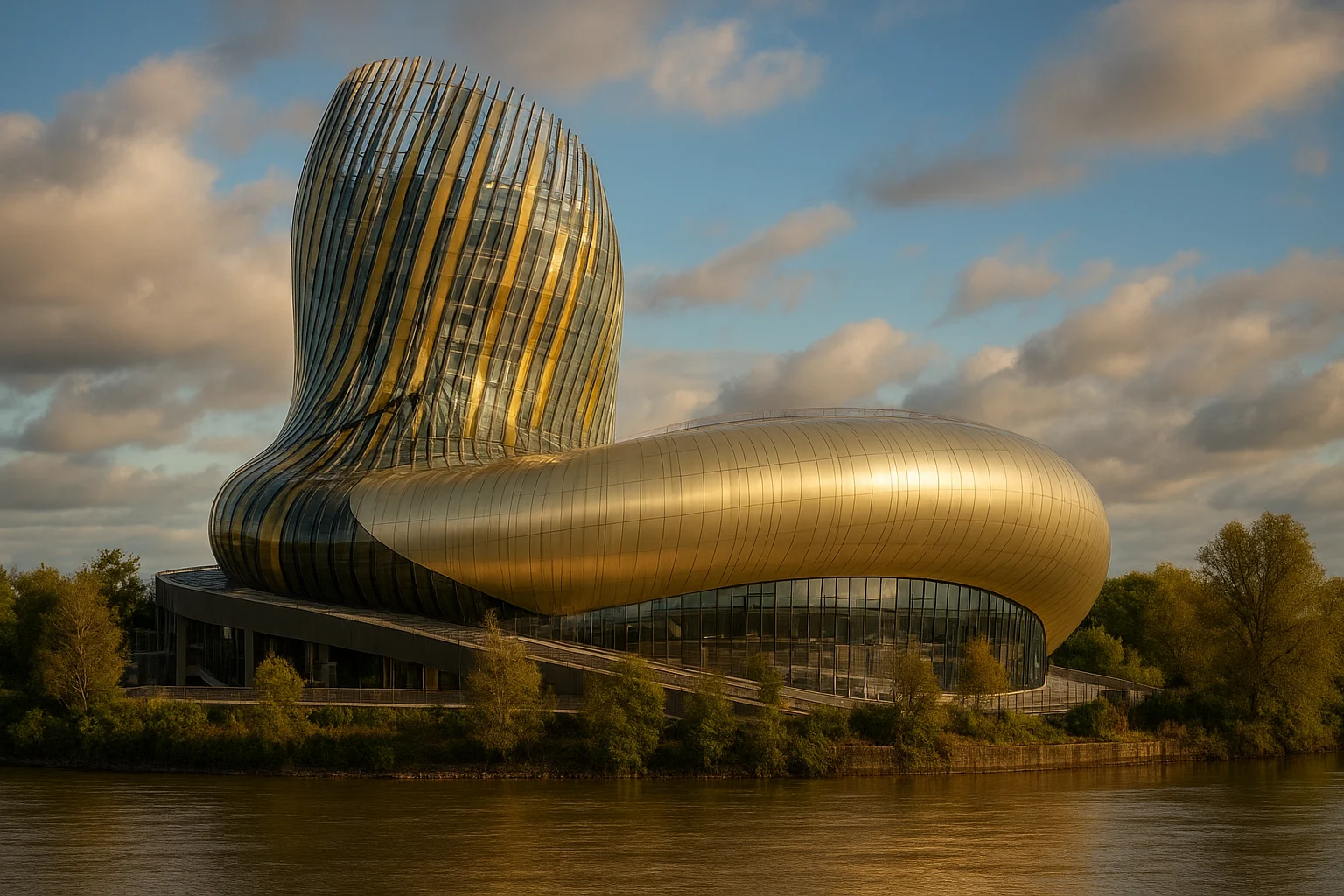
Position yourself across the Garonne river bank to capture the bold architectural curves of this landmark reflected in the water. This provides a clean shot of the structure's metallic lattice facade without obstructions.
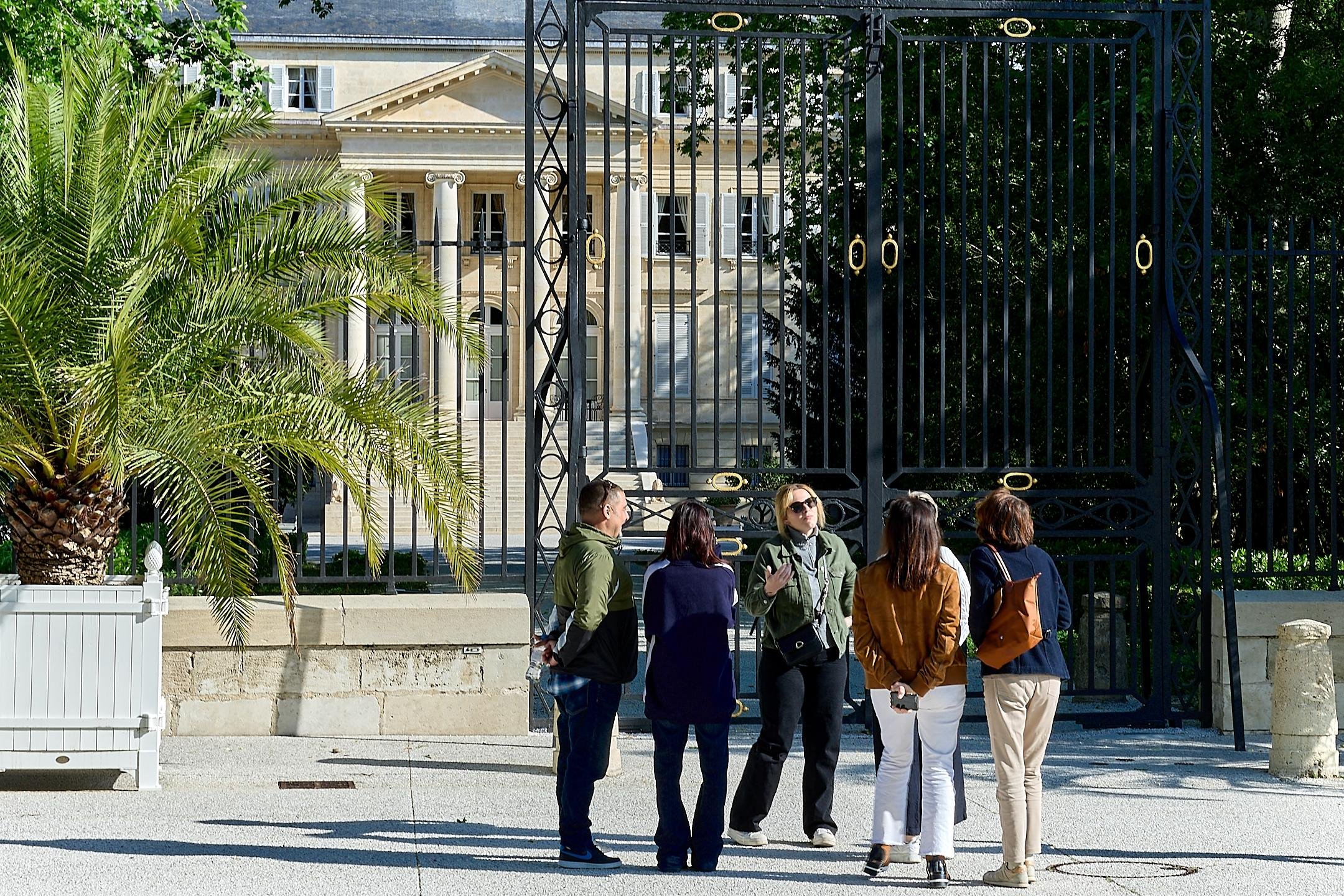
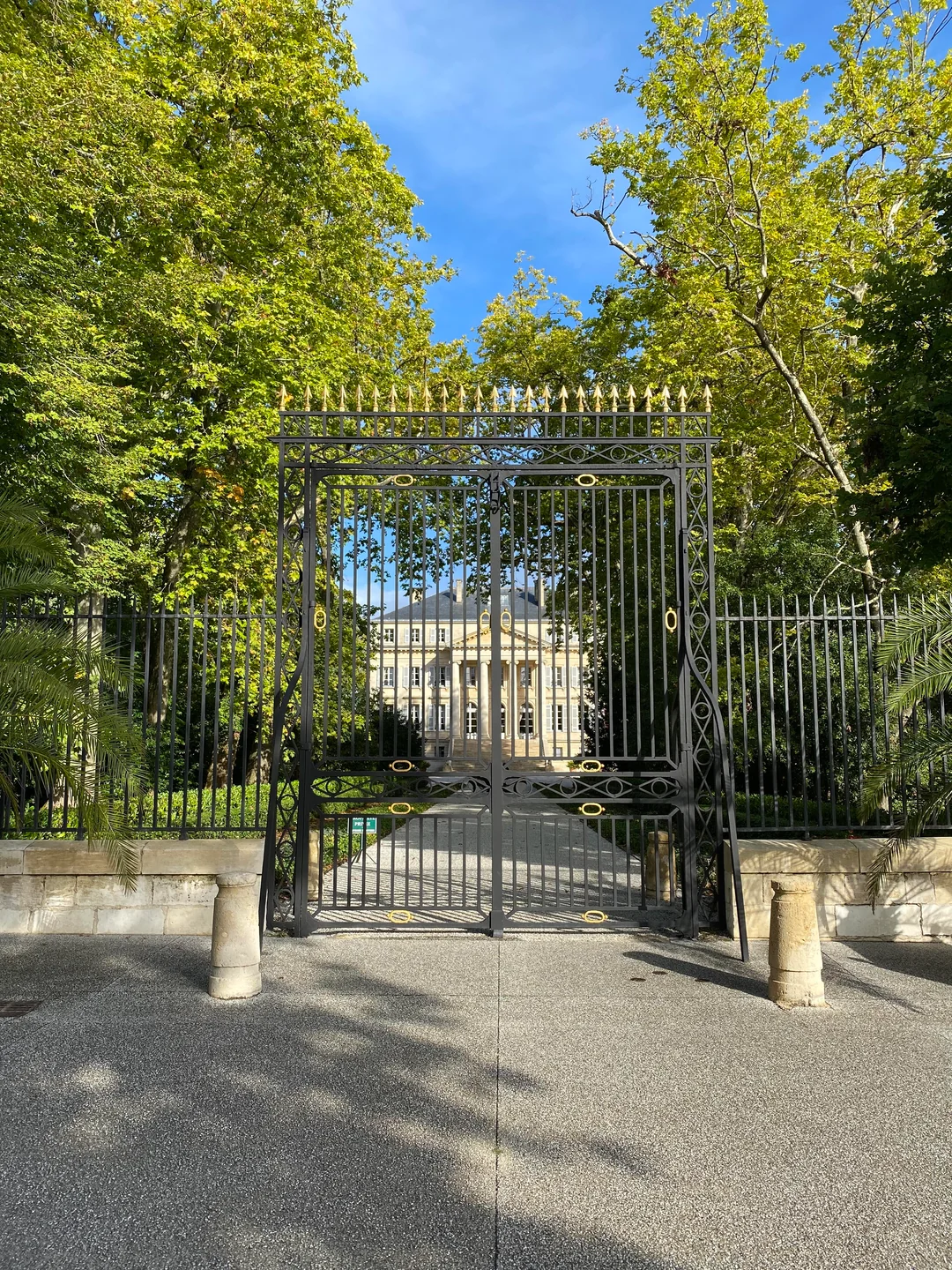
Stand near the entrance of the iron-wrought gates for a composition featuring the iconic gravel driveway lined with vine rows. This perspective highlights the elegance of the estate often included in a bordeaux wine tour bike itinerary.
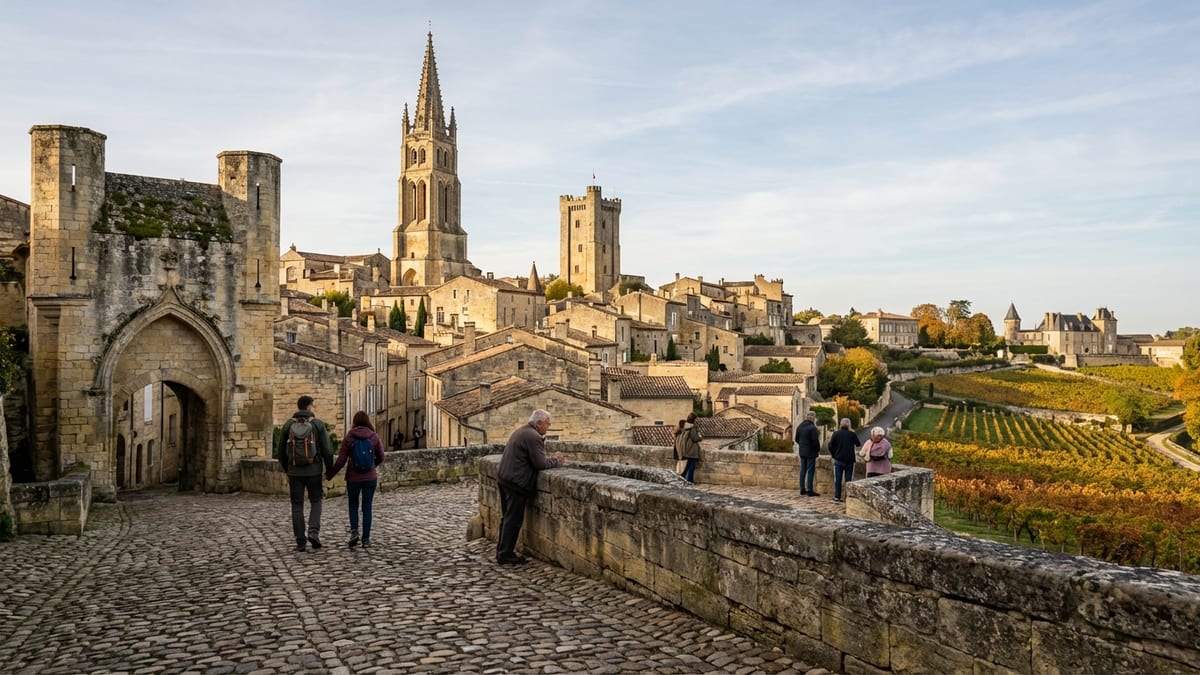
From this high vantage point, the camera captures the terracotta rooftops of the medieval village set against the backdrop of rolling viticultural landscapes. It is a prime location to frame the historic limestone architecture.
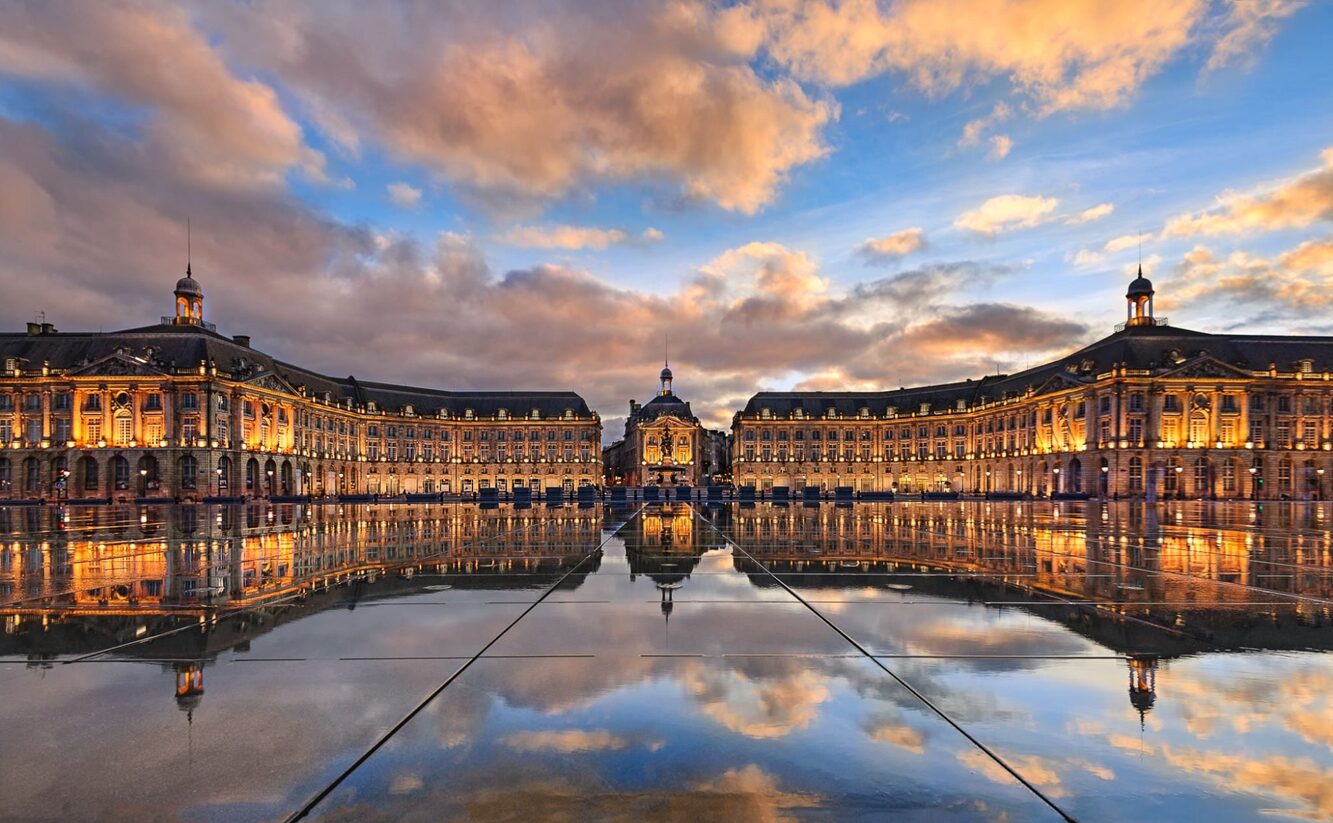
Capture the reflection of the 18th-century palace architecture in the shallow pool, a popular stop before heading out on bordeaux wine tour bike tours. Use a low angle to align the symmetrical facade with its aquatic duplicate.
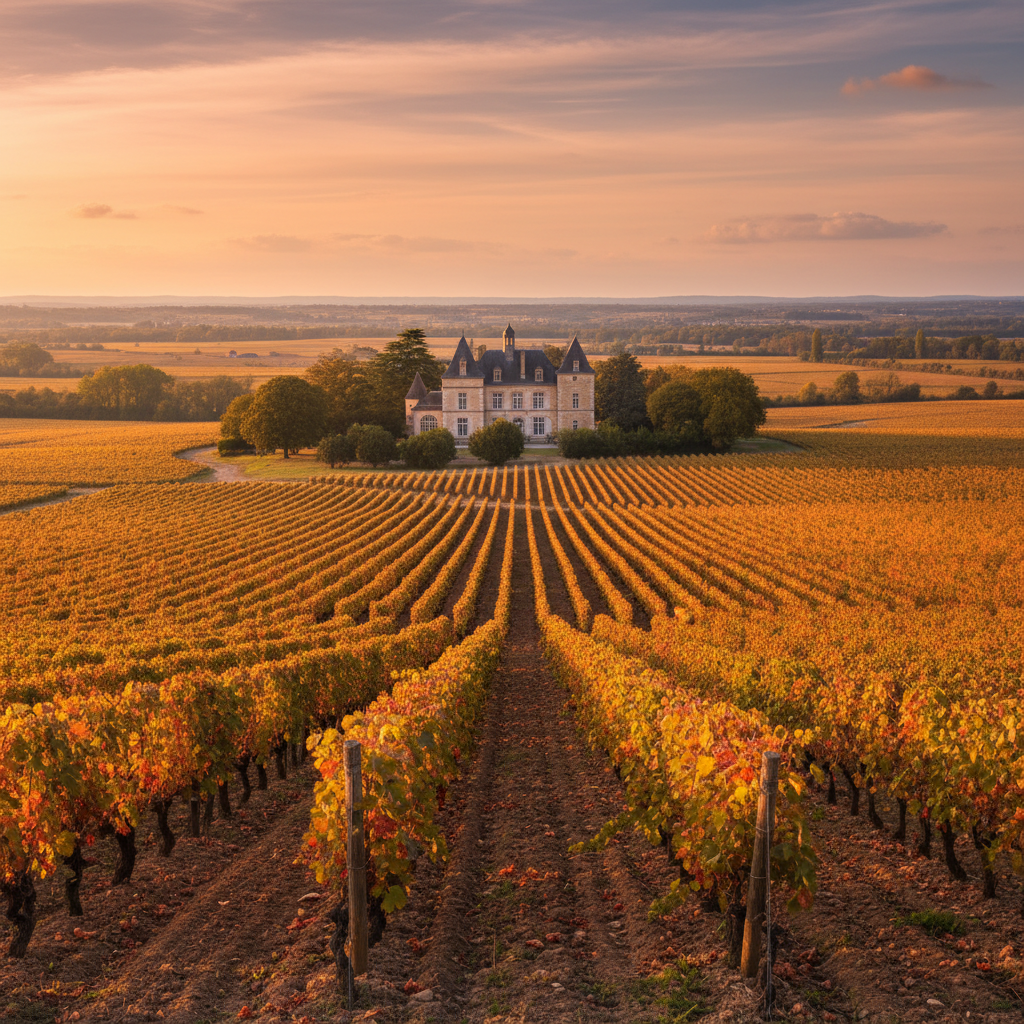
Position your camera low among the vines to create a leading line effect through the grape rows toward the chateau in the distance. This visual captures the essence of the region for those seeking bordeaux wine tour bike tickets.
Exploring the countryside on a bordeaux wine tour bike allows families to navigate vineyard paths at their own pace. September offers mild temperatures perfect for enjoying the cycling routes through the iconic Bordeaux wine region with children.
Most vineyard terrain consists of gravel or dirt paths, so trailers or bike-mounted child seats are safer and more practical than strollers. Please check with your specific operator regarding the availability of child-sized equipment when booking your bordeaux wine tour bike tours.;Best ages
Selecting a dining spot near your bordeaux wine tour bike route requires planning, as independent cyclists often find the best local flavors in village squares. While some bordeaux wine tour bike tours include picnic provisions, many riders prefer the flexibility of visiting traditional bistros in nearby towns.
Located near the tourism office, this spot offers extensive vintages and seasonal regional dishes. It is ideal for those who purchased bordeaux wine tour bike tickets and want to refine their palate with local terroir after a ride.;L'Entrecôte
Everything you need to know for your journey
The Bordeaux Tourism Office is open 09:00–18:00 daily.
Yes, booking bordeaux wine tour bike tickets in advance is highly recommended to secure availability.
Age limits vary; please check with your specific bordeaux wine tour bike operator regarding youth equipment.
We suggest a best arrival window of 09:00–10:00 to maximize your bordeaux wine tour bike time.
Yes, please avoid bringing large luggage or heavy gear on your bordeaux wine tour bike.
The address is 12 Cours du 30 Juillet, 33000 Bordeaux, which is accessible via local tram lines for your bordeaux wine tour bike visit.
Wear comfortable athletic clothing and closed-toe shoes for any bordeaux wine tour bike tour.
Light snacks and water are fine, but refrain from bringing large meals on your bordeaux wine tour bike ride.
Cycling paths vary; check with your bordeaux wine tour bike provider if you require e-bike assistance.
Terms vary by operator; please verify your specific bordeaux wine tour bike booking confirmation for refund details.
Famous 18th-century square featuring the Miroir d'eau.
Historic gothic cathedral and UNESCO heritage site.
Iconic neoclassical opera house built in the 18th century.
Peaceful urban garden with walking paths and botanical variety.
Historic hotel located across from the Grand Théâtre.
Modern hotel with a lively rooftop atmosphere.
Central location ideal for city explorers.
Join thousands of happy travelers who have discovered this incredible experience
Book Your Experience Now