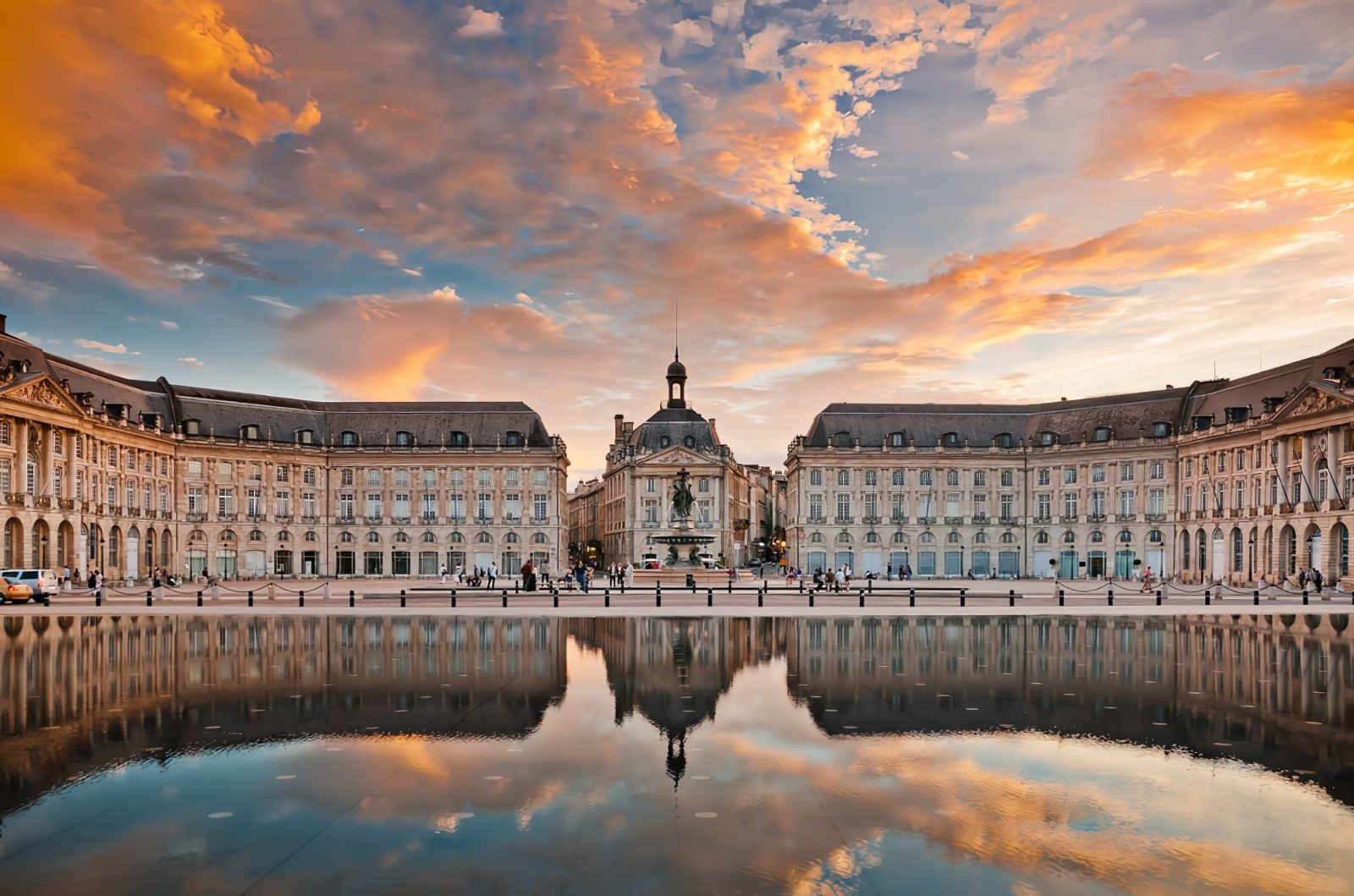
9 hr
Full-Day Bordeaux Wine Tour: Saint-Émilion & Margaux
- Expert local guide
- Small group
- Skip-the-line access
- Free cancellation
Bordeaux Wine Tours Private — Saint-Émilion, Médoc & Margaux
Grand Cru châteaux and family cellars, one expert guide at a time
Compare fares, pick the fit — all bookings are mobile-voucher and eligible for free cancellation where shown.
9 hr
4 hr 30 min
4 hr
| Experience | Duration | Rating | Transfers | Guide | Small group | Free cancel. | Price | |
|---|---|---|---|---|---|---|---|---|
|
Guided Experience
Most popular
Full-Day Bordeaux Wine Tour: Saint-Émilion & Margaux
|
9 hr | ★ 4.8 | ✓ | ✓ | ✓ | ✓ | €180 | Book → |
|
Standard Entry
Saint-Émilion Wine Discovery from Bordeaux
|
4 hr 30 min | ★ 4.8 | — | ✓ | ✓ | ✓ | €95 | Book → |
|
Standard Entry
Margaux Wine Region Half-Day Experience
|
4 hr | ★ 4.6 | ✓ | ✓ | ✓ | ✓ | €90 | Book → |
Worth it for wine enthusiasts seeking expertise
Bordeaux wine tours private deliver structured access to estates that require advance appointments and insider knowledge most independent travelers lack. Half-day options like the Médoc or Margaux tours pair two château visits with a guide who handles logistics, translates terroir concepts, and navigates appellation boundaries—value that compounds in a region where English is inconsistent and tasting room protocols vary widely. Full-day Saint-Émilion and Margaux combinations cover 60+ kilometers and multiple appellations in one sweep, eliminating rental car costs and wrong-turn delays. The investment pays off for visitors prioritizing education over spontaneity: you're buying curated access to winemakers, barrel room entry, and comparative tastings that self-guided visitors rarely secure. Casual drinkers content with village wine bars can skip the structured format, but anyone building cellar knowledge or comparing Right Bank and Left Bank styles in a single trip will find bordeaux wine tours private tickets justify their premium through time savings and depth of access.
Bottom line: The structured access and expertise justify the cost for serious wine learners, while casual sippers will find better value exploring Bordeaux's wine bars independently.
They complement each other; most visitors who do both call private excursions the more rewarding way to explore local viticulture, while small-group visits provide a more social atmosphere. Selecting bordeaux wine tours private options ensures you set the pace for your Gironde vineyard journey.
|
Top pick Private Tours |
Small-Group Tours | |
|---|---|---|
| Flexibility | Fully customizable itinerary | |
| Personalization | Tailored to individual palate | |
| Interaction with Winemakers | Direct and in-depth access | |
| Cost | Higher per person | |
| Logistical Ease | Door-to-door transit provided | |
| Wine Region Access | Exclusive chateaux entry | |
| See tickets & prices |
Verdict: Choose bordeaux wine tours private tickets if you prioritize deep engagement with terroir and heritage over the set schedules found with shared group bordeaux wine tours private tours.
Hand-picked experiences loved by thousands of travelers
5 to 5.5 hours
Free Cancellation
Explore a UNESCO medieval village and taste exceptional wines at two distinct estates in Bordeaux
4 hours
Free Cancellation
Journey through prestigious vineyards, taste exceptional wines at two estates, and explore the famous château road
75 minutes
Free Cancellation
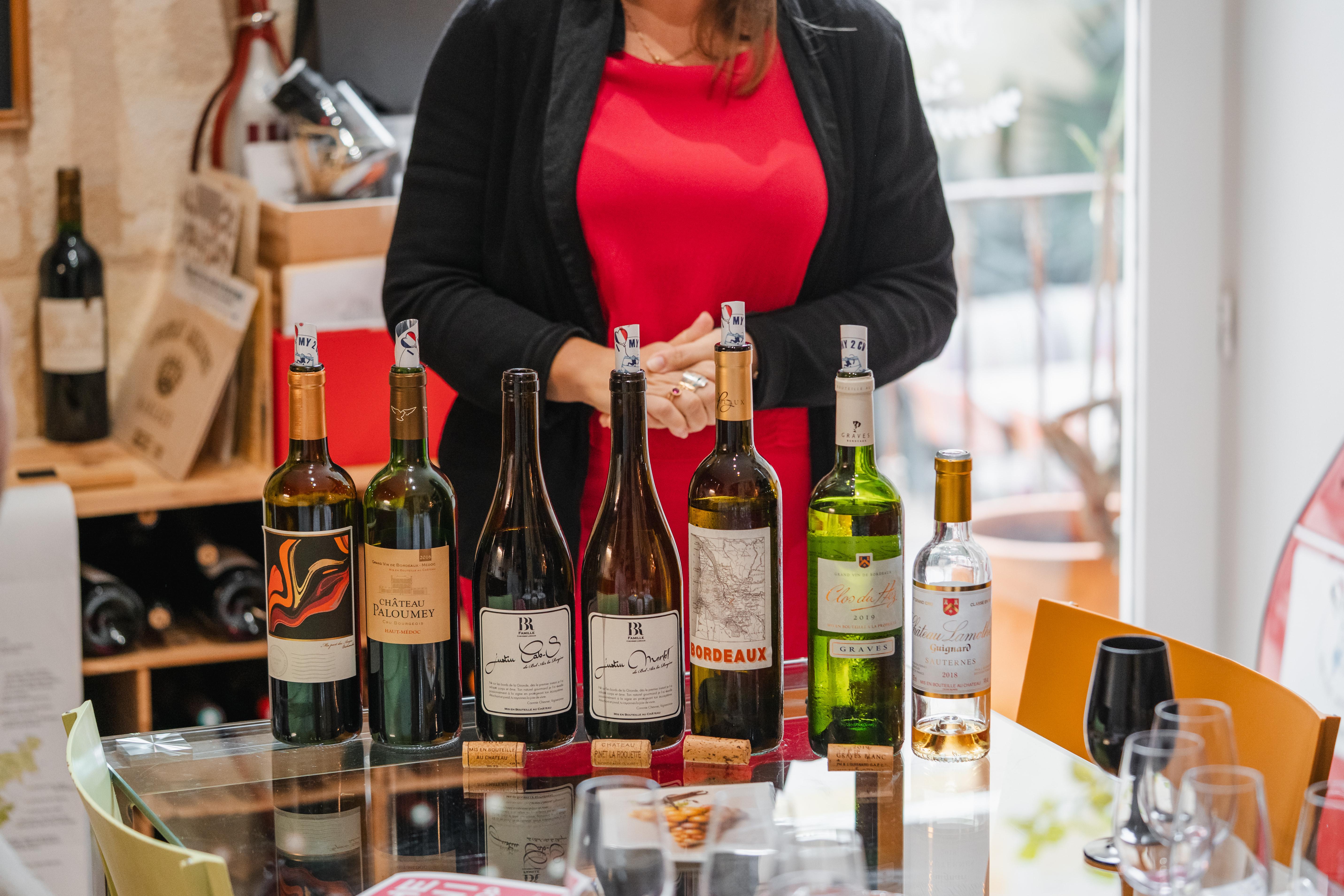
Master professional tasting techniques while sampling six distinct Bordeaux wines with expert guidance
8 hours
Free Cancellation
Explore renowned Medoc appellations with expert-led visits to three prestigious wineries and tastings
9 hours
Free Cancellation
Explore two renowned wine regions in one day with guided château visits, village tours, and 15+ tastings
4.5 - 8 hours
Free Cancellation
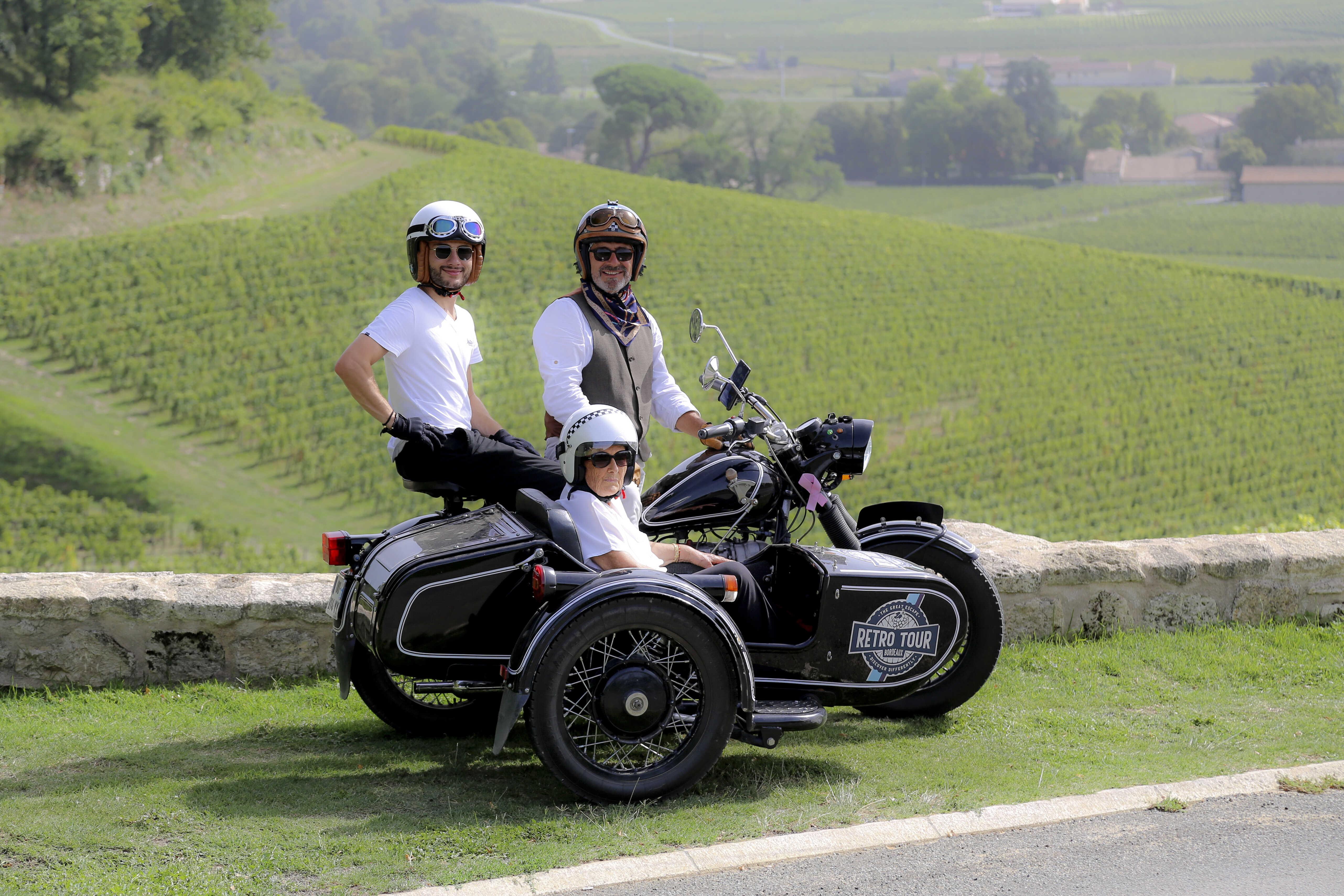
Journey through Bordeaux's celebrated wine country aboard a classic sidecar with tastings included
9 hours
Free Cancellation
Expert-led customizable wine journey through prestigious Médoc châteaux with hotel transfers
9 hours
Free Cancellation
Explore UNESCO-listed medieval charm and taste exceptional wines at three handpicked estates
Welcome and orientation in the courtyard
Walk through the vines and production area
Sample selected vintages with an expert
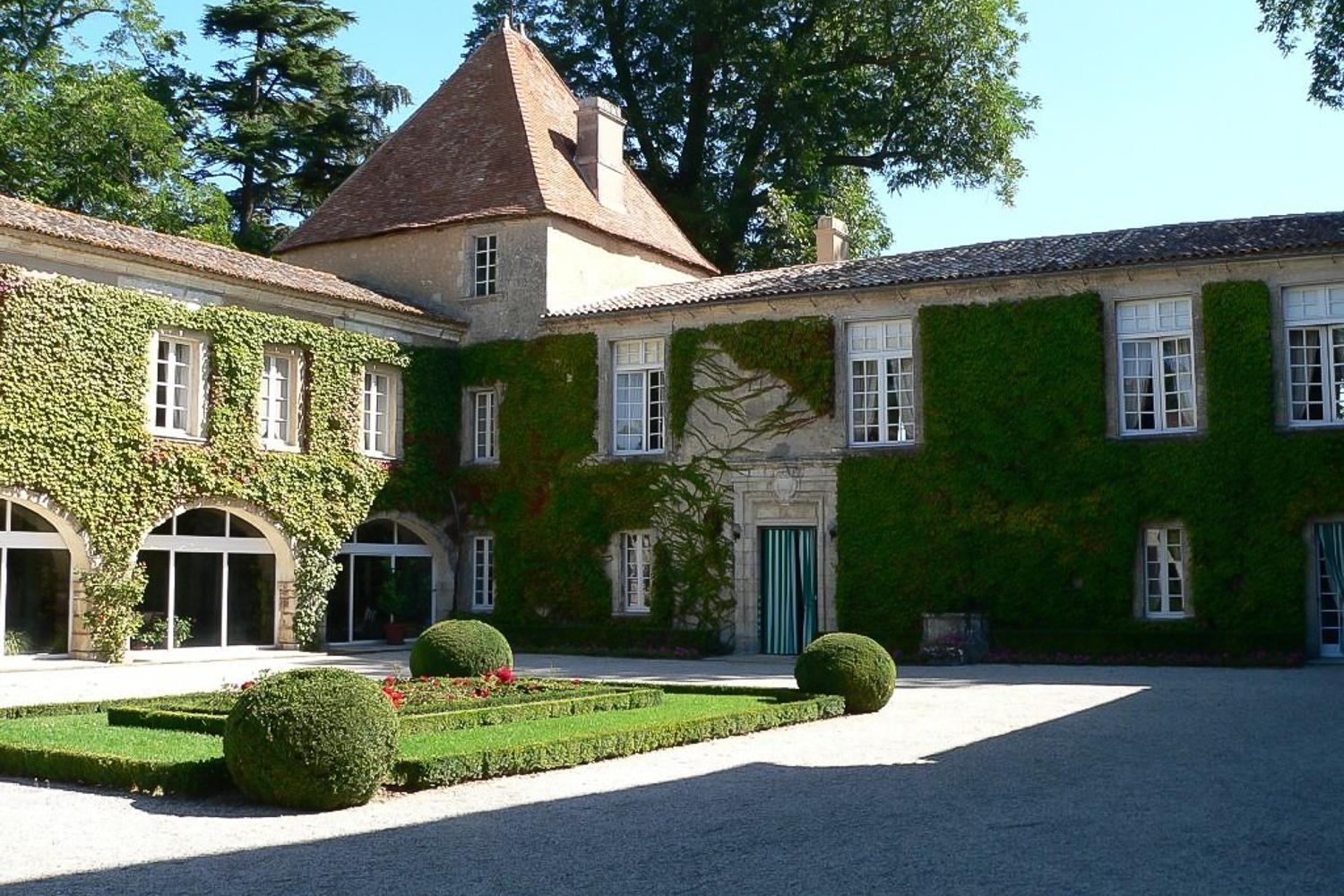
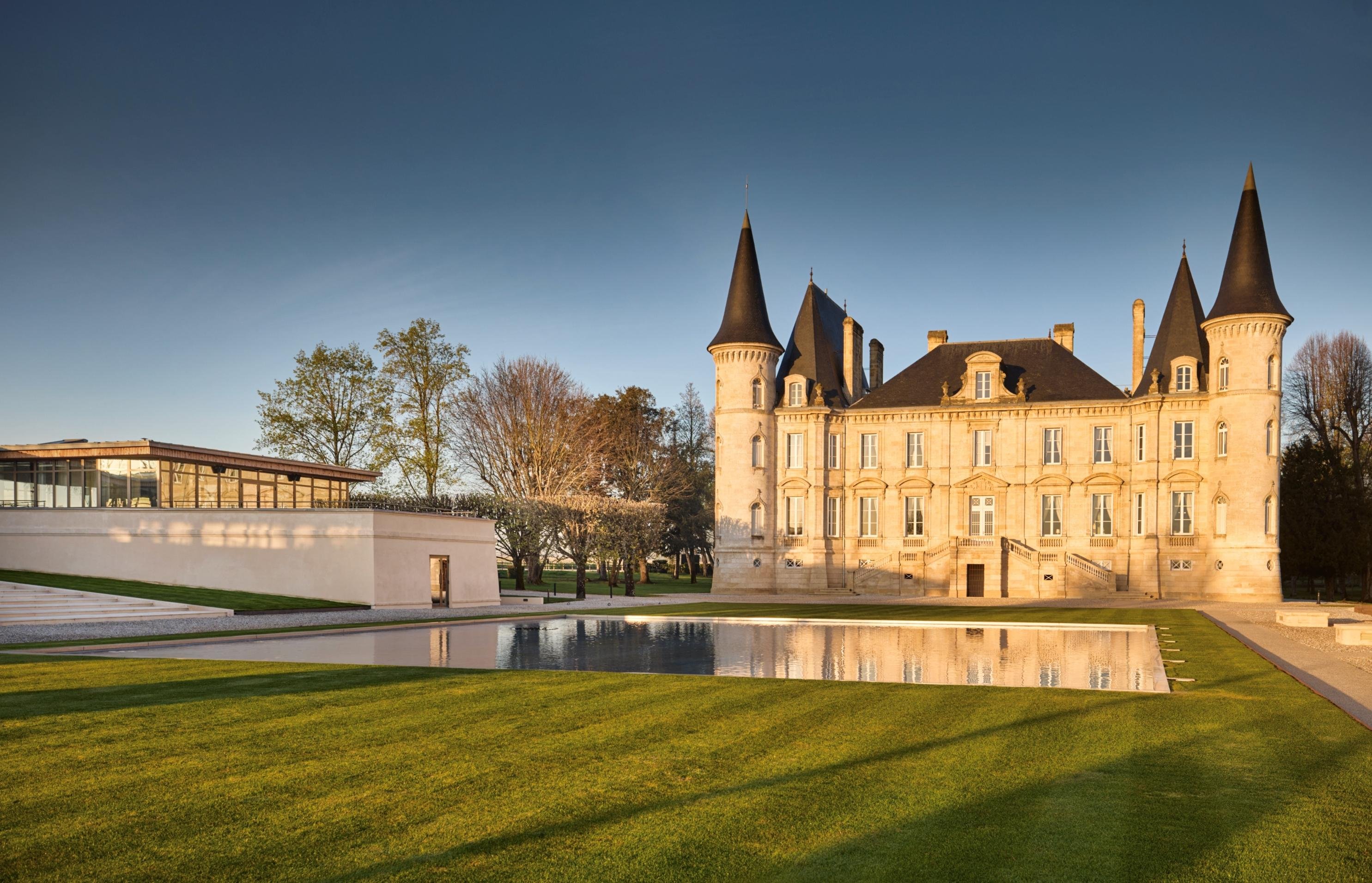
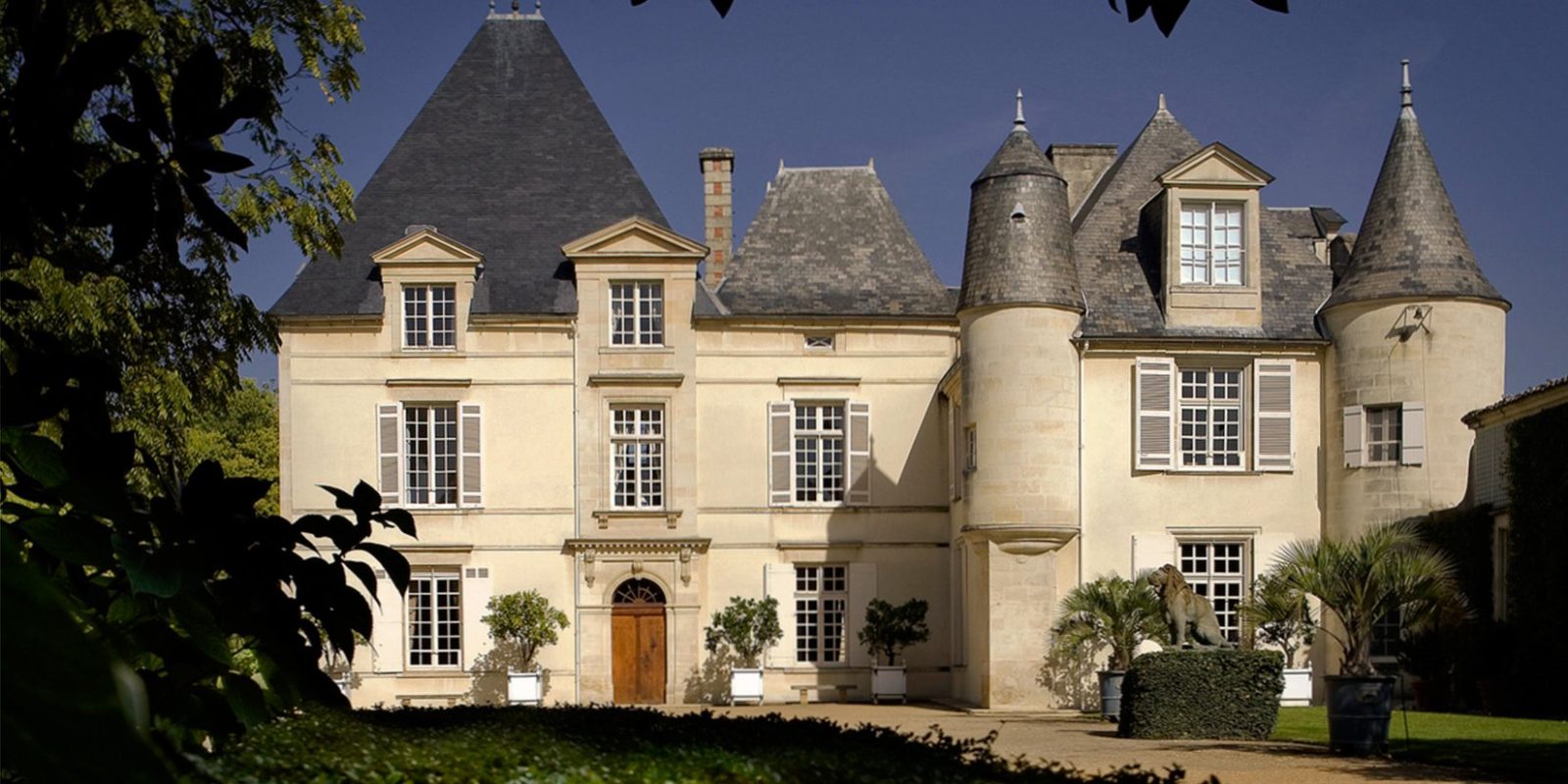
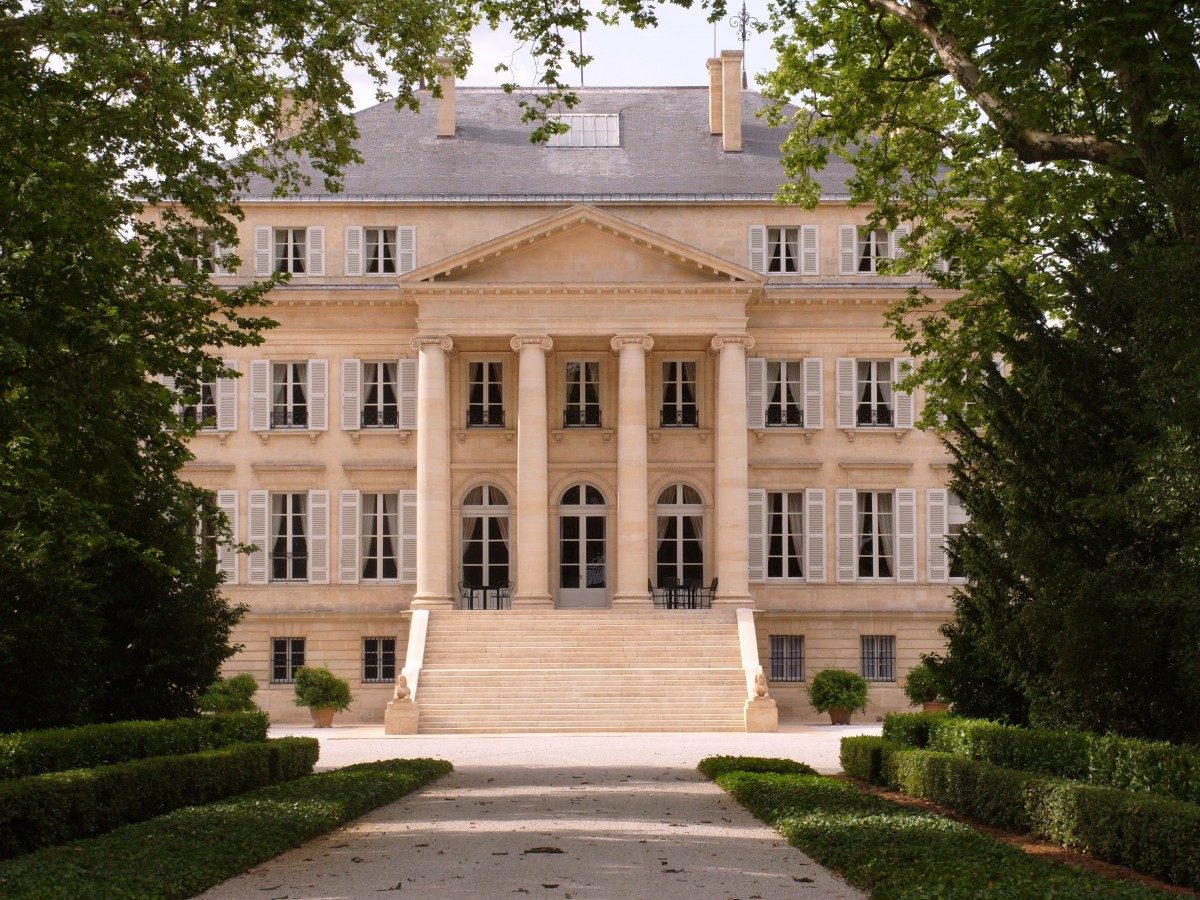
Iconic estate featuring neoclassical architecture and historic cellars.
One of the oldest estates with a history dating back centuries.
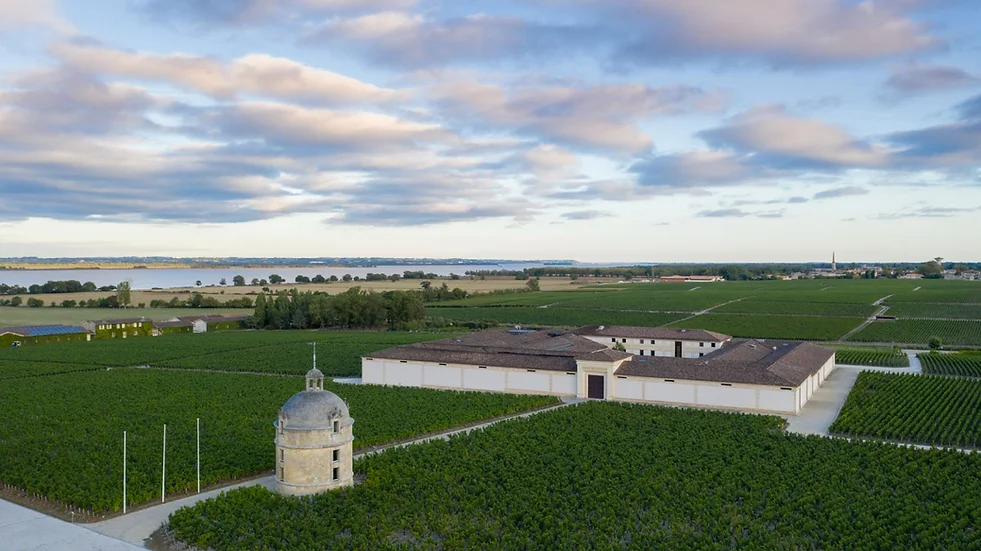
Famed for its historic tower and exceptional viticultural standards.
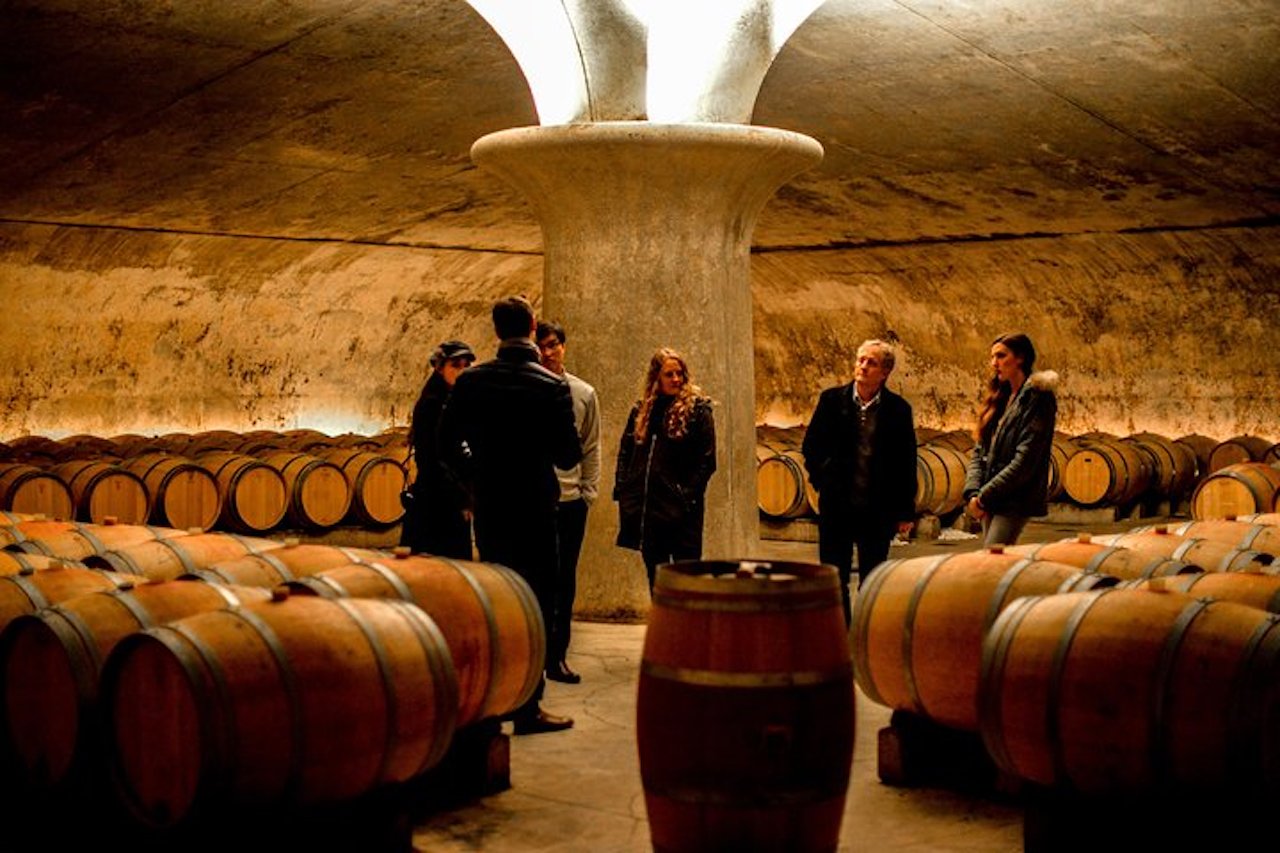
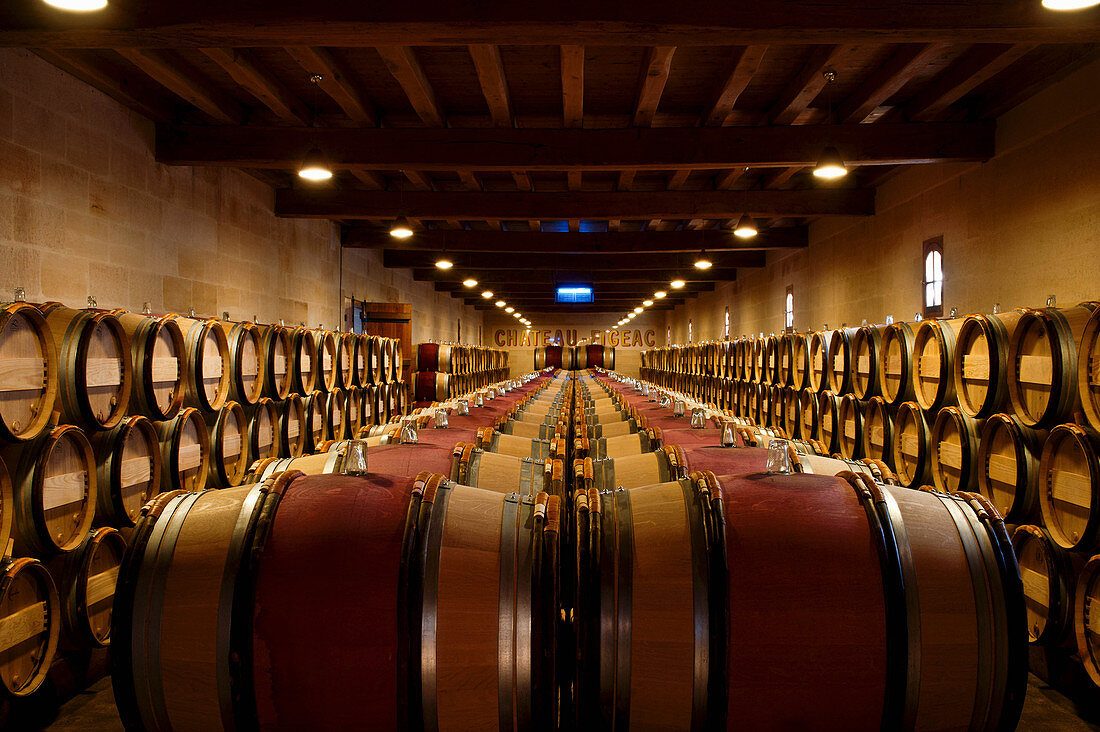
Underground historic quarries used for aging world-class vintages.
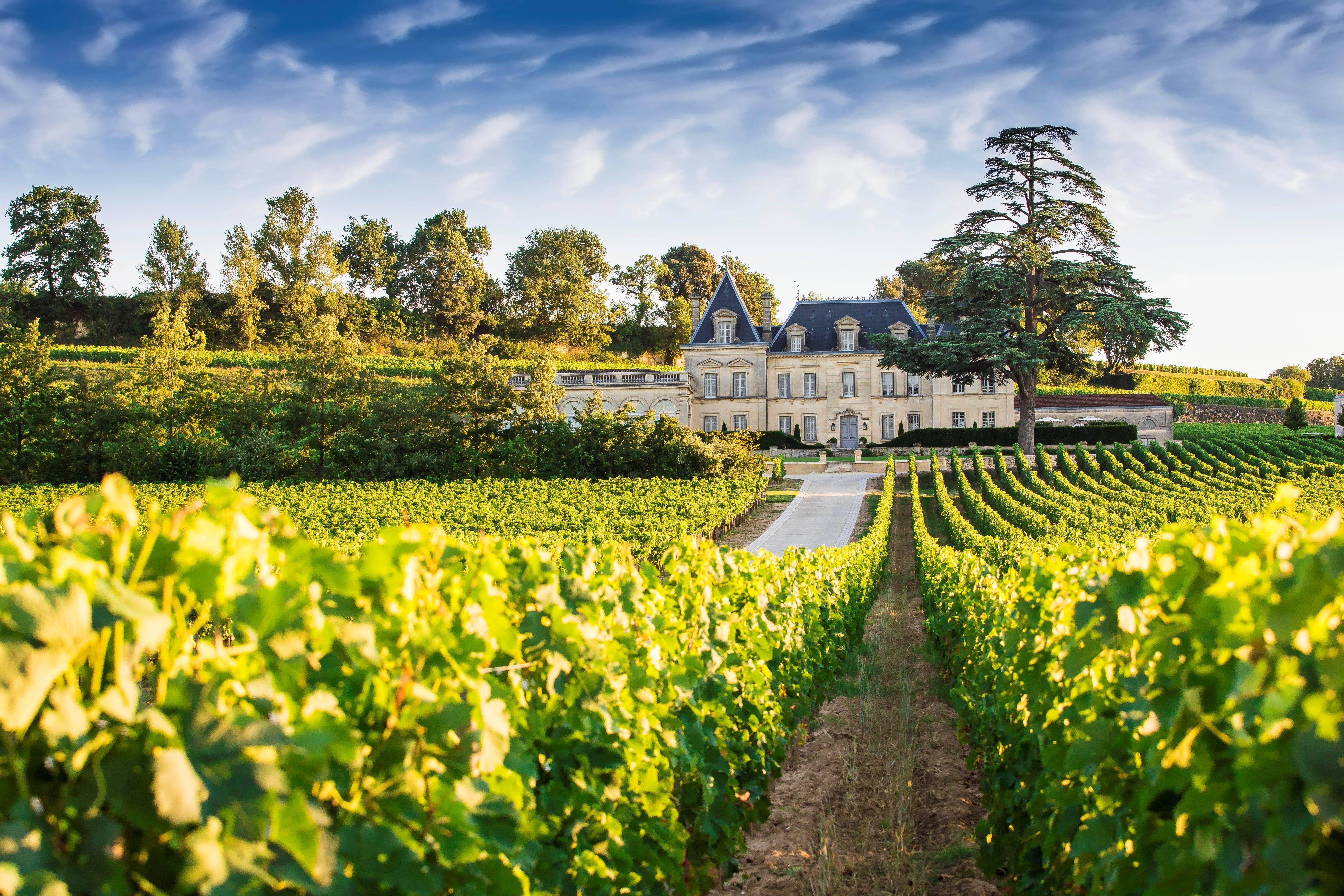
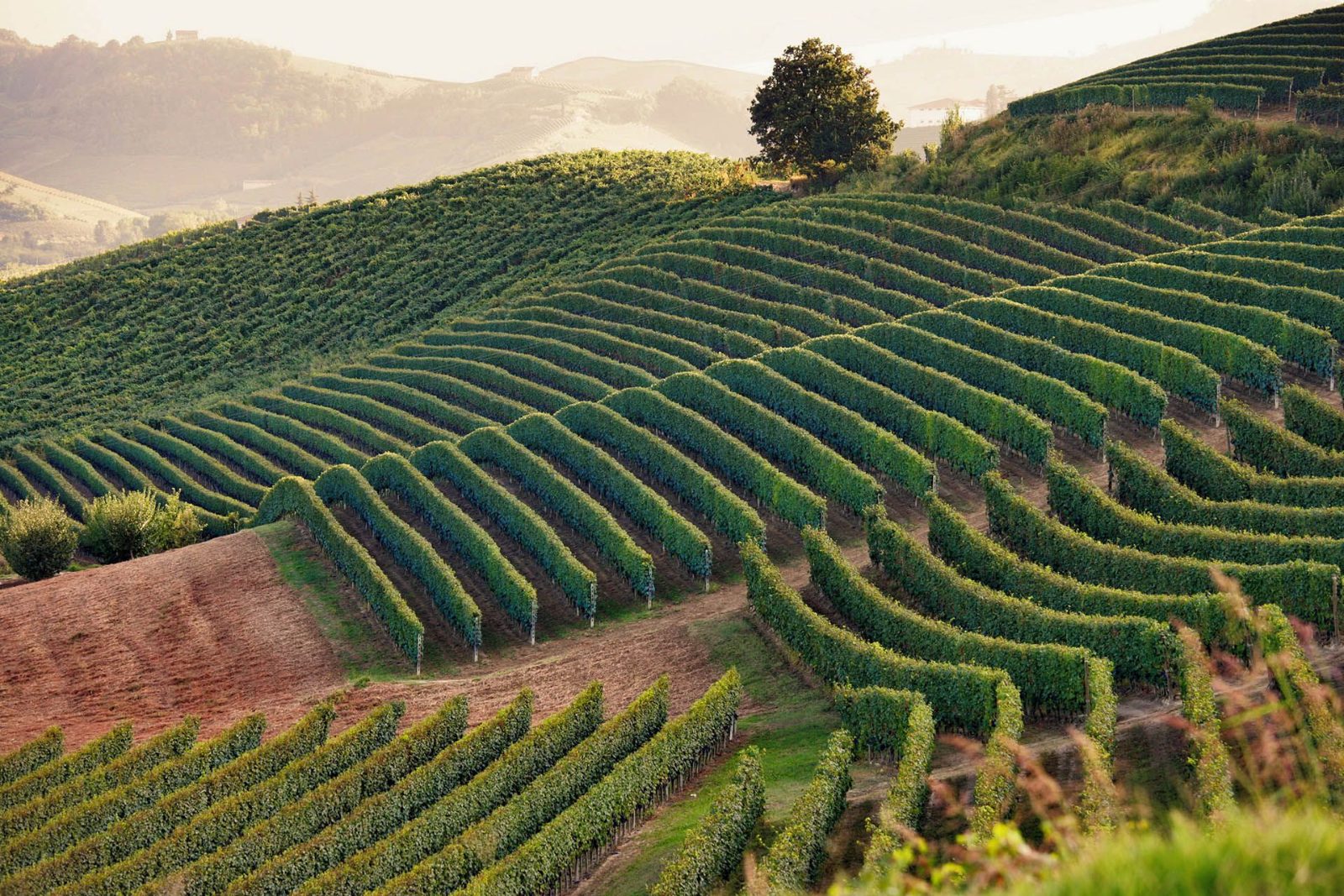
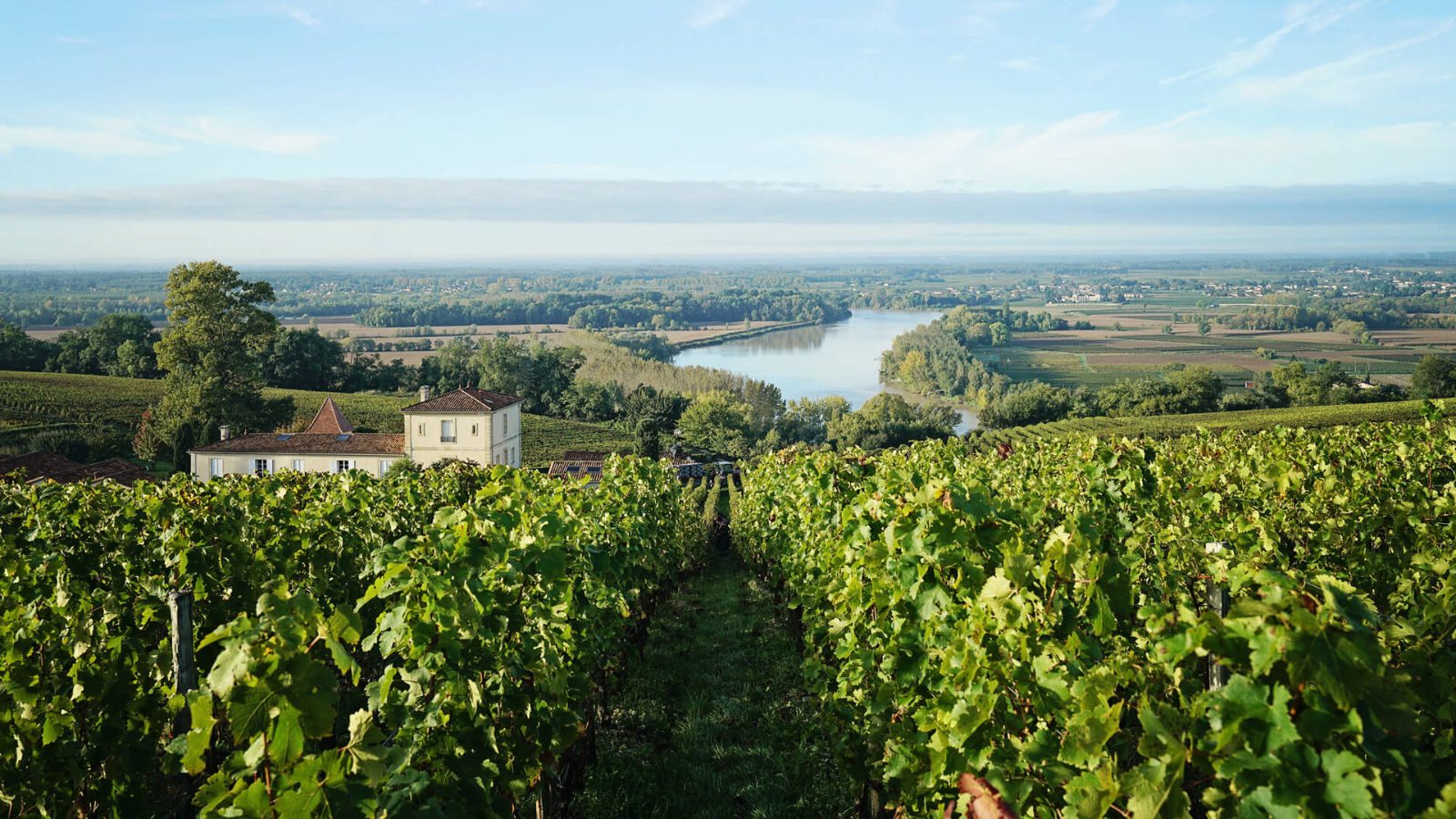
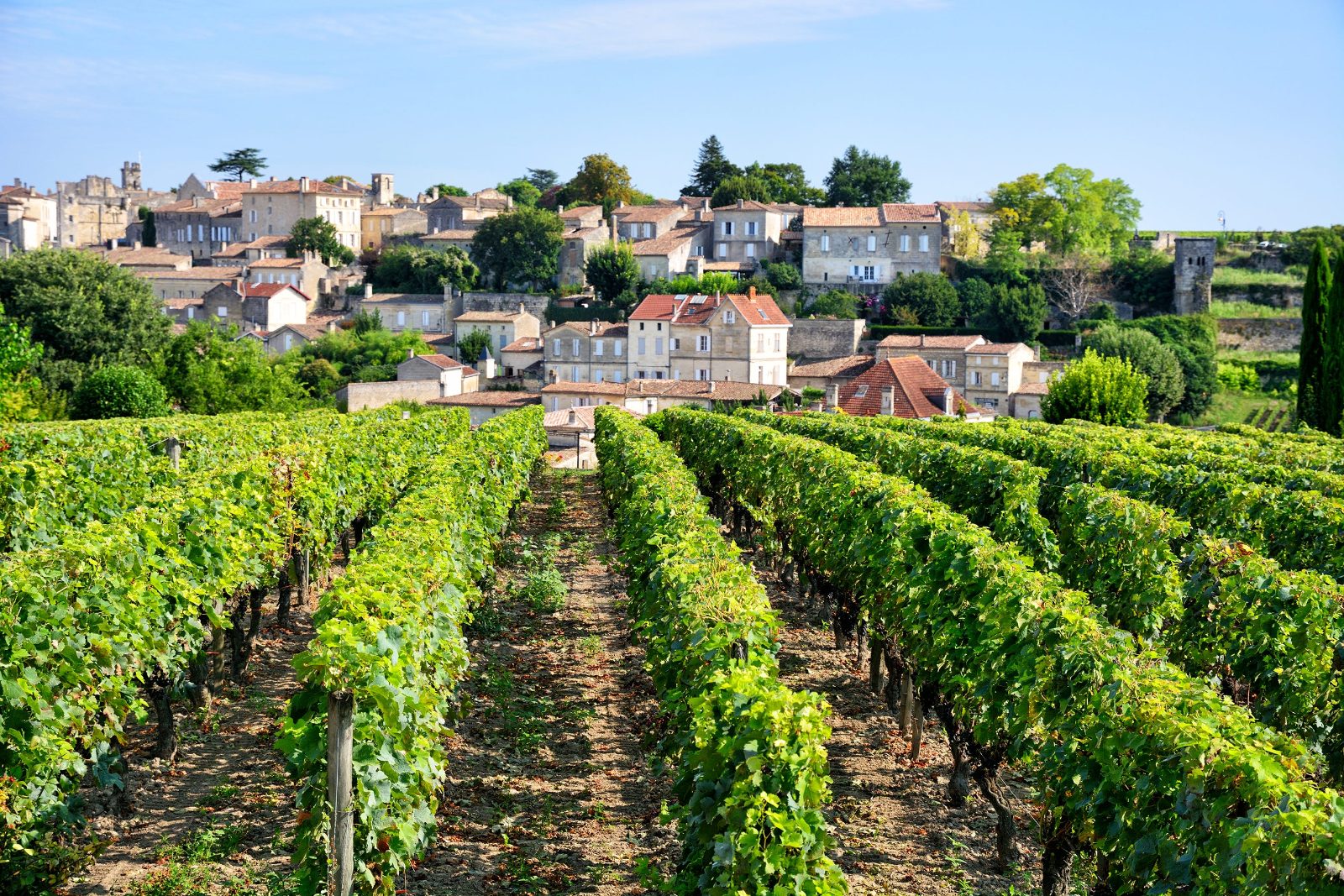
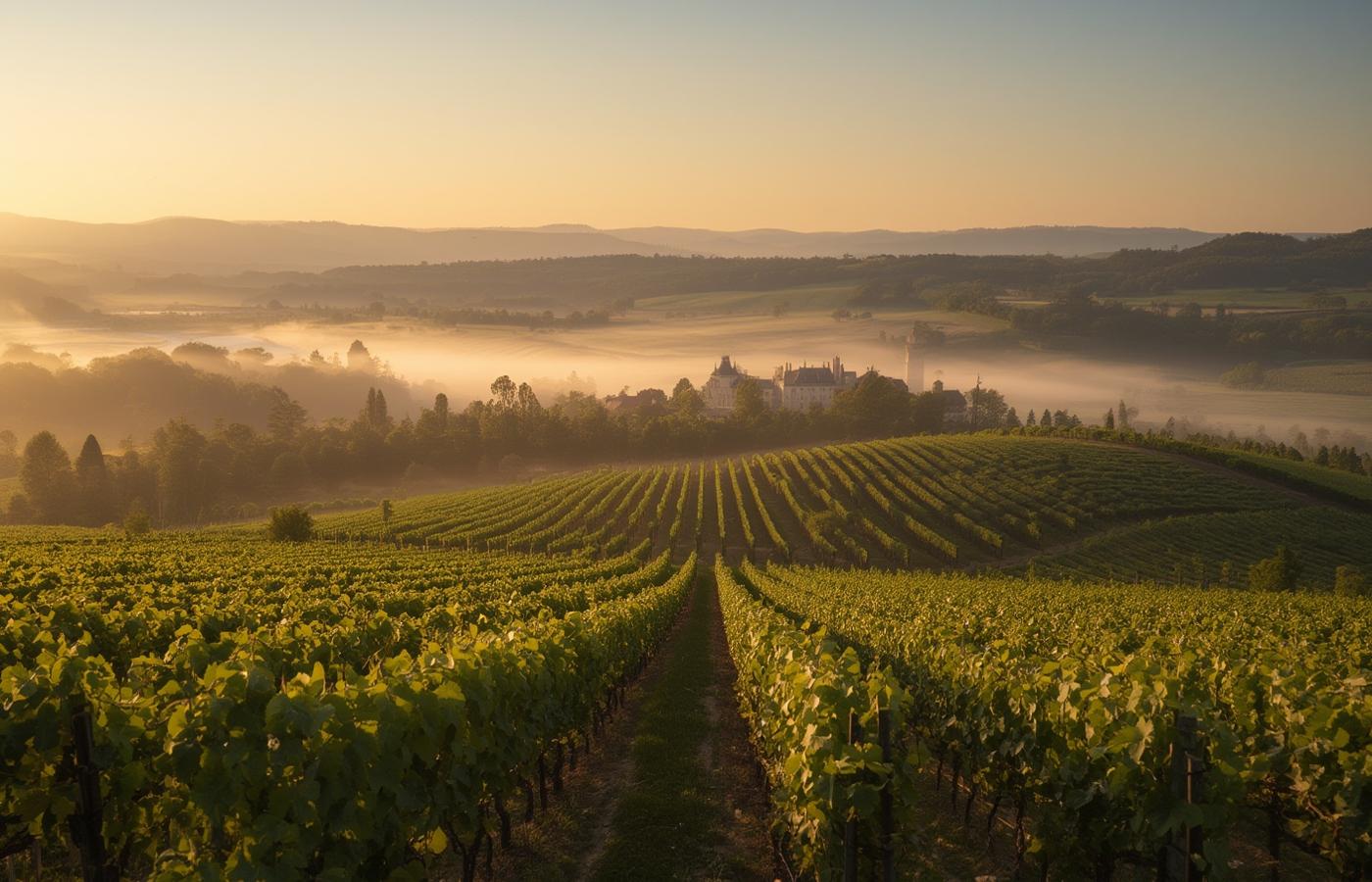
The rolling landscape defining the classic Bordeaux aesthetic.
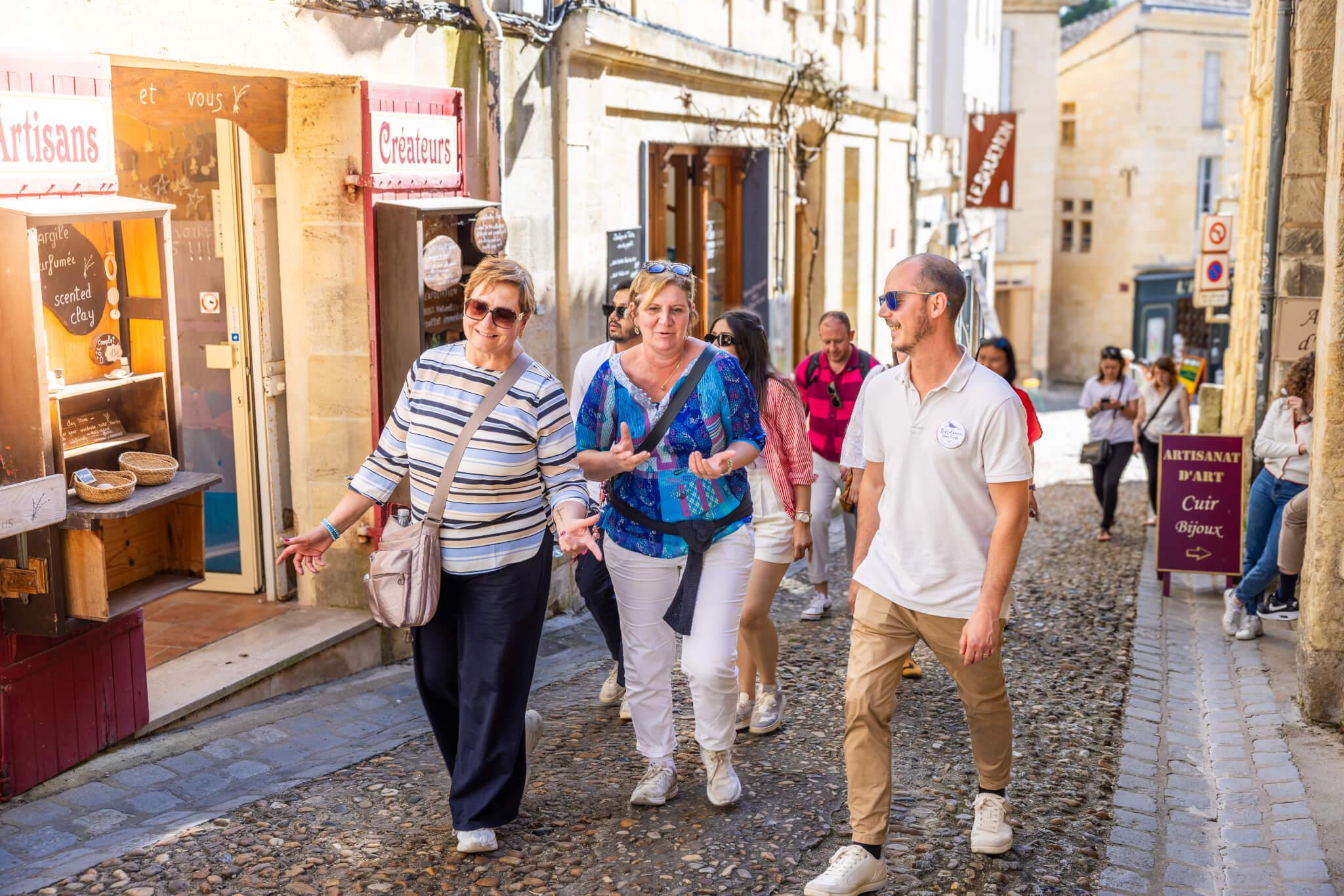
You meet your sommelier at 9:00 in Bordeaux's Chartrons district, the former merchant quarter where eighteenth-century négociants stored barrels in riverside warehouses. The vehicle climbs northeast through dormant September vineyards—harvest finished three weeks ago, leaf canopies now bronze and gold.
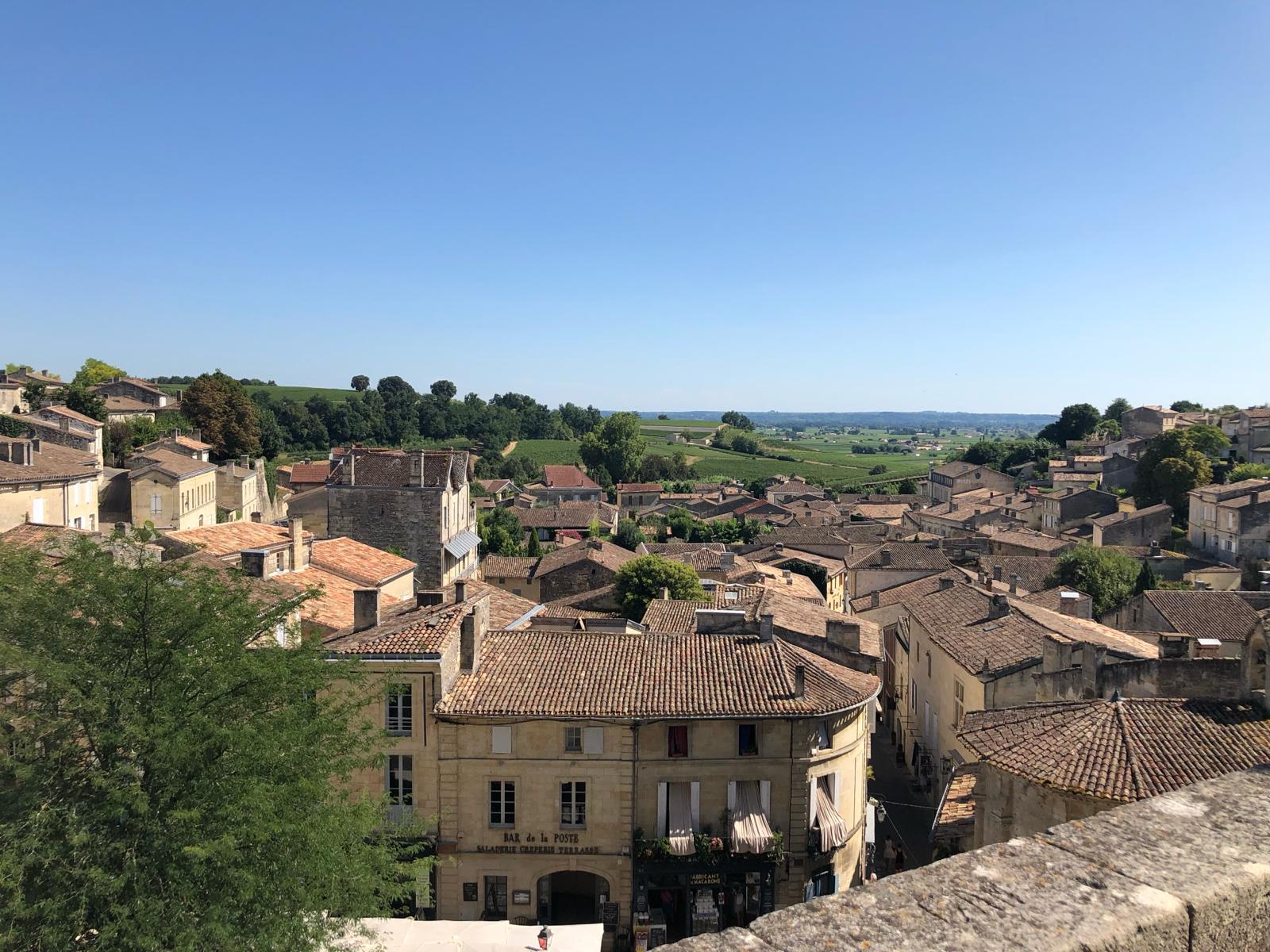
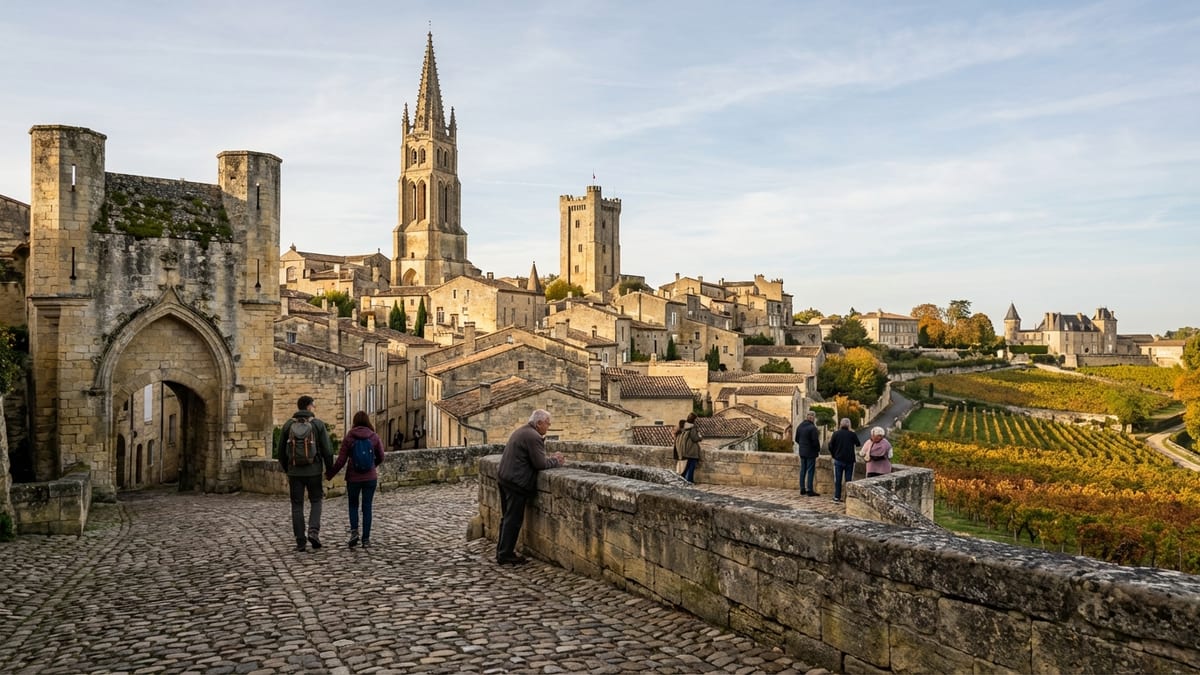
Saint-Émilion appears at kilometre thirty-two, its bell tower visible above a plateau of Merlot vines planted at three-thousand-plant density.
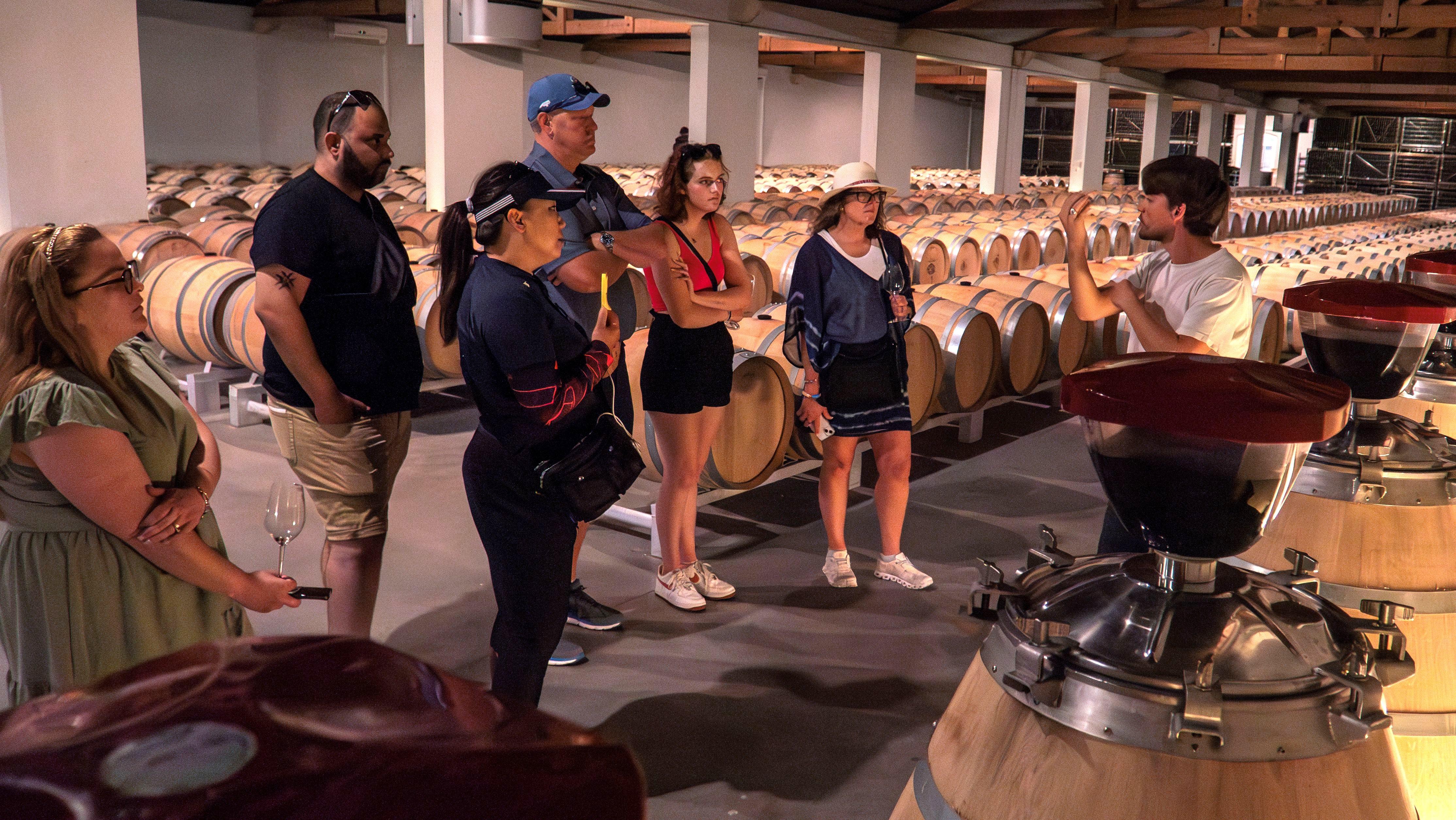
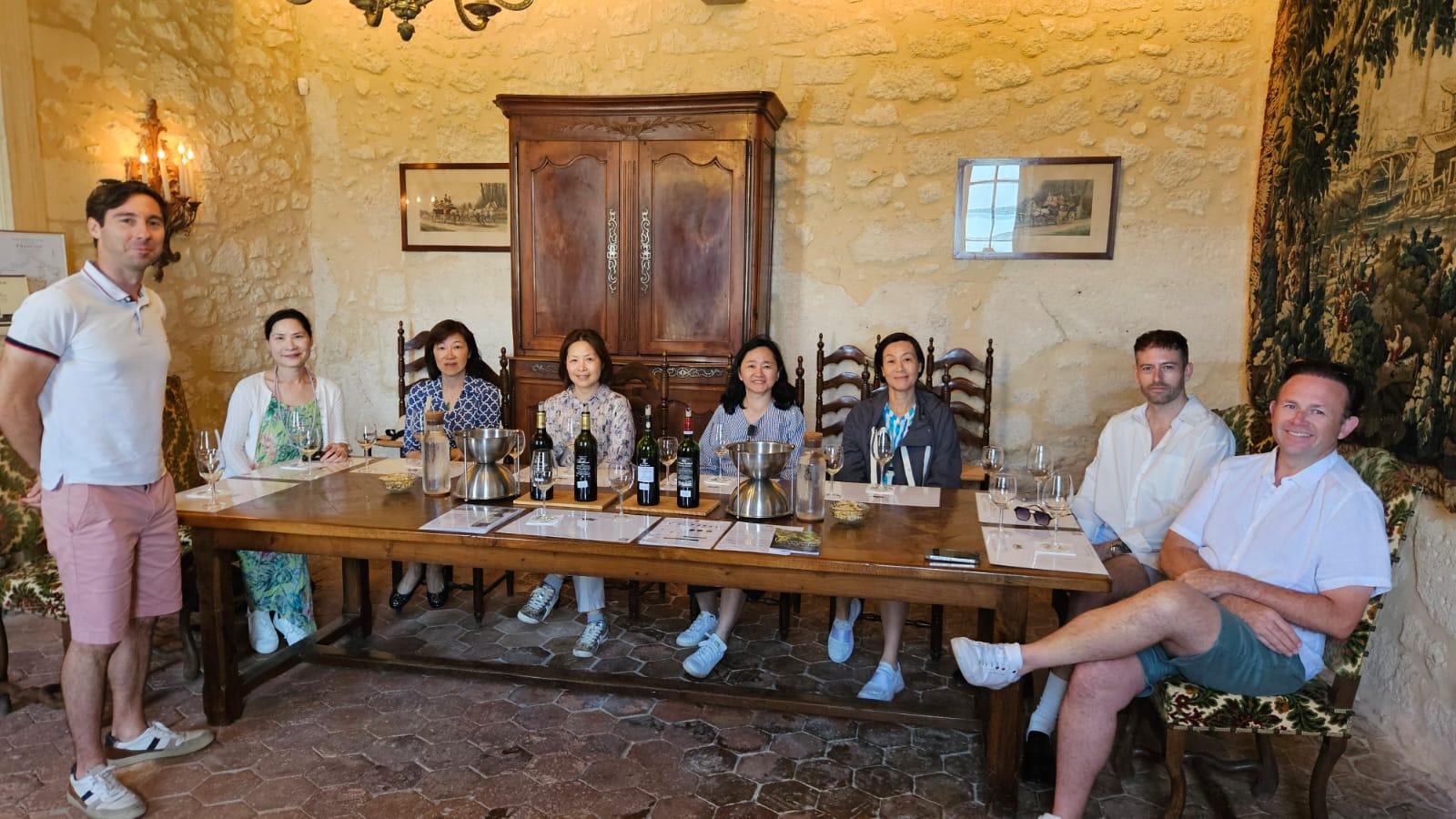
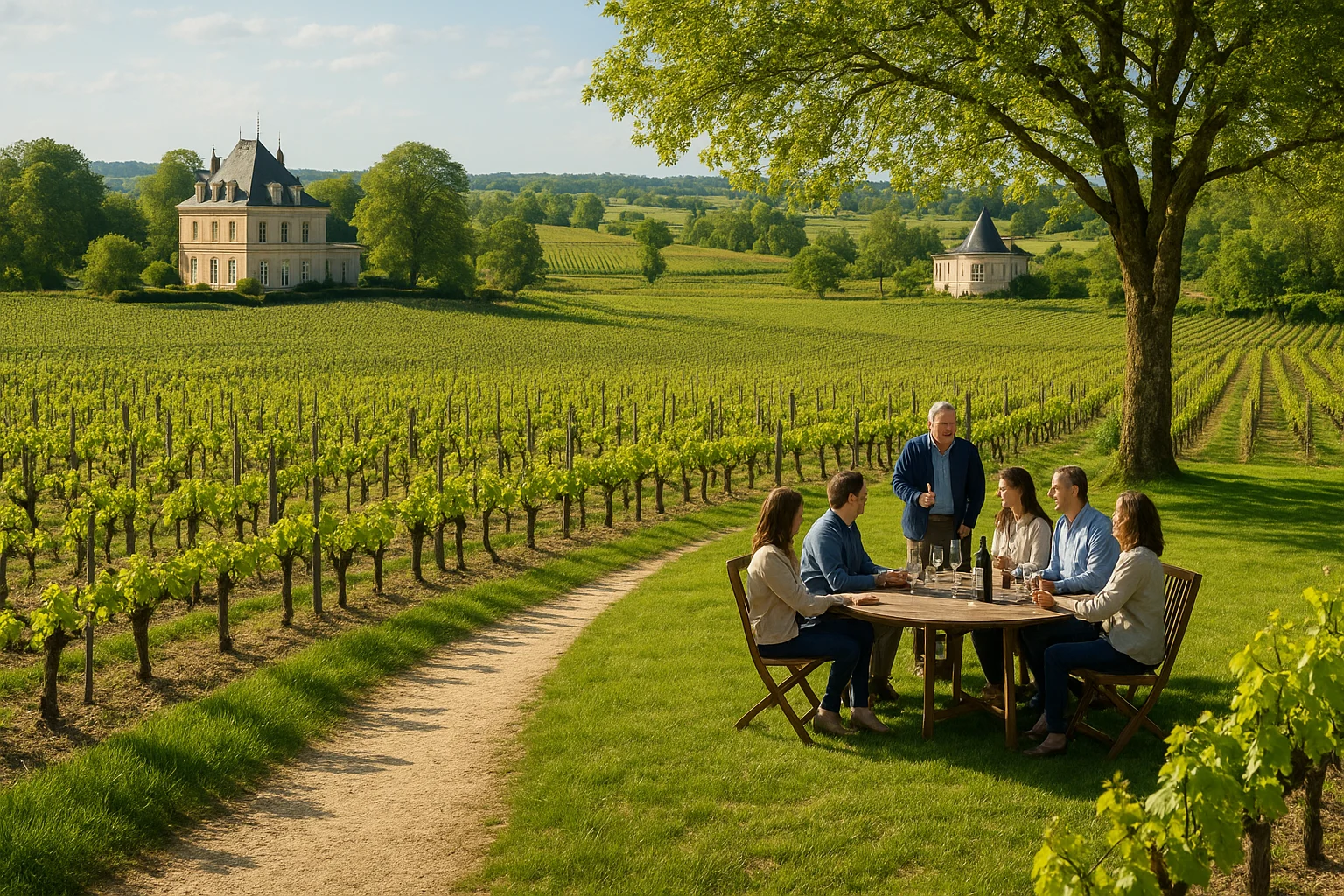
Your first château receives you in a sixteenth-century tasting salon, stone walls lined with bottles dating to 1947. The maître de chai pours from barrel, explaining malolactic fermentation still underway in French oak. You taste three parcels side by side—the limestone parcel shows mineral tension, the clay parcel delivers plum weight, the slope parcel balances both. Fifteen minutes of chemistry discussion follow, phenolic compounds and tannin polymerization mapped against aging potential.
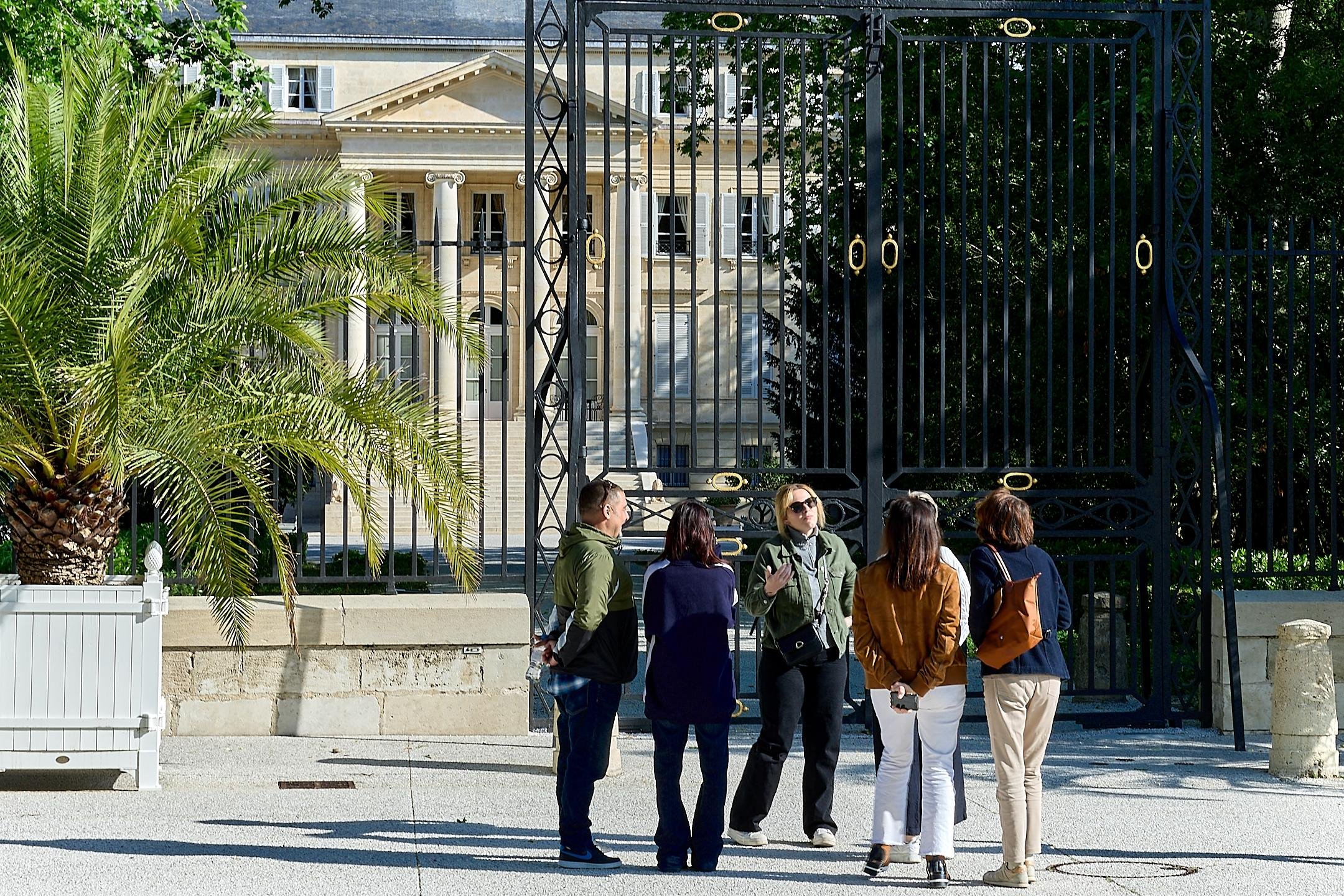
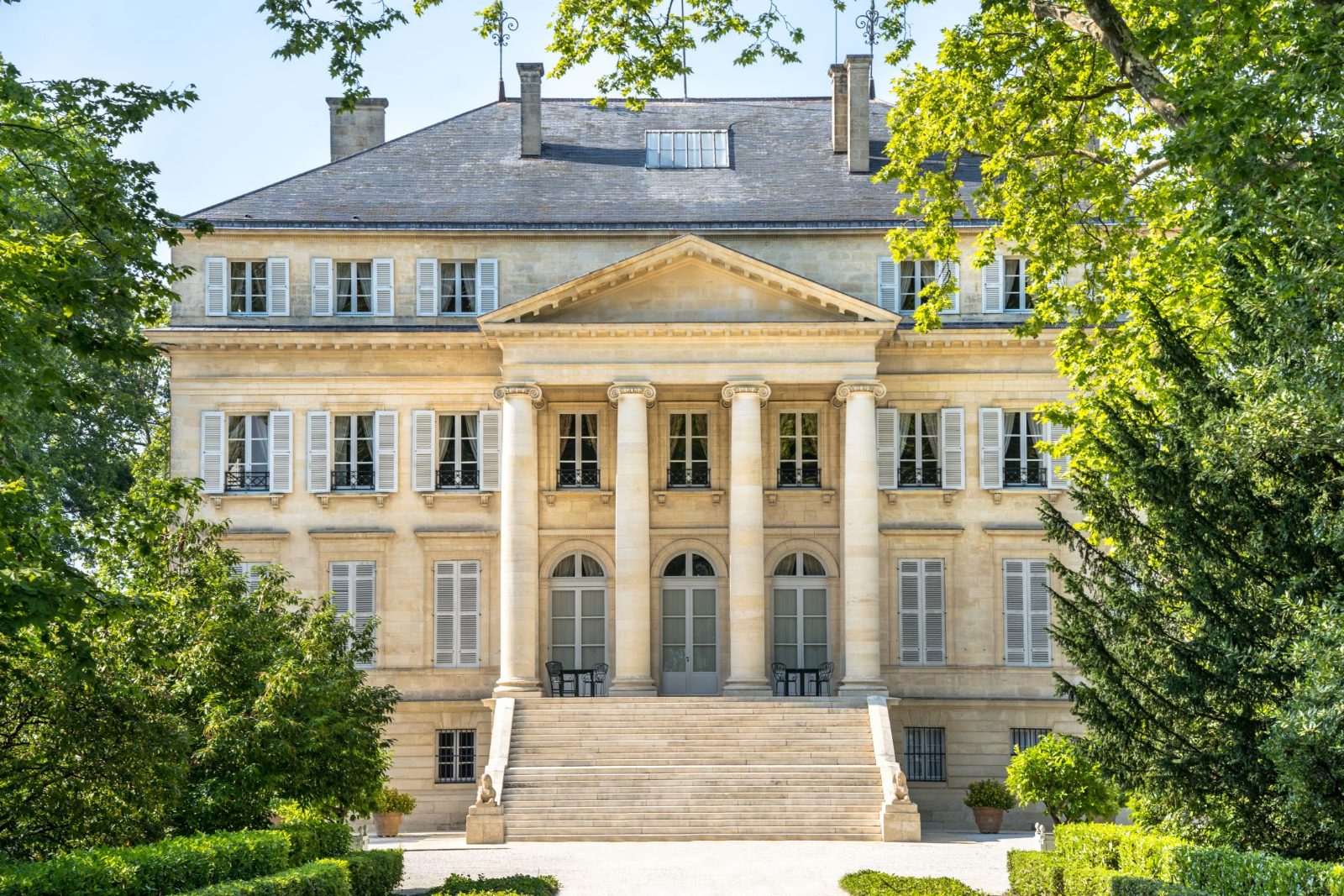
After lunch in a family-run estate, you drive west to Margaux. The afternoon château occupies a Palladian mansion surrounded by sixty hectares of Cabernet Sauvignon. You walk rows planted in 1998, each vine pruned to eight clusters. The cellar master demonstrates assemblage, blending Cabernet, Merlot and Petit Verdot in shifting proportions until the blend achieves balance. You return to Bordeaux at 17:30 with six bottles and a soil sample in a labeled vial.
All the details about your upcoming adventure in one place
The Gironde estuary shapes 120,000 hectares of vine-planted gravelly plateaus, limestone slopes and clay-rich valleys—six times the cultivated area of Napa Valley. Bordeaux wine tours private experiences unlock appellations where public access stops at the château gate.
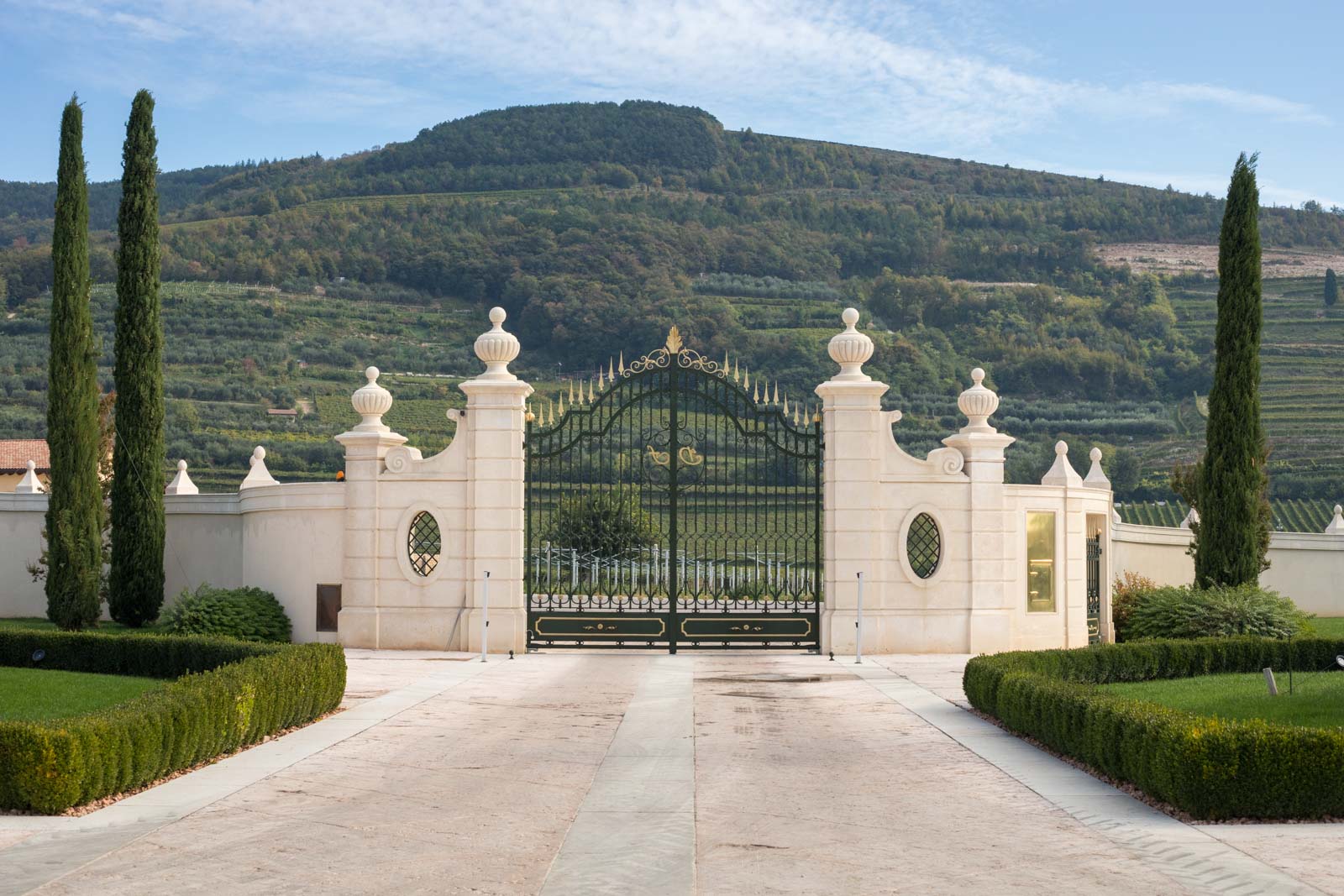
Saint-Émilion's underground cellars carve eight kilometres beneath medieval cobblestones, while Margaux's nineteenth-century estates line D2 with wrought-iron gates and symmetrical gravel drives. Médoc stretches fifty kilometres along the Left Bank, its sixty Cru Classé properties clustered between Pauillac and Saint-Estèphe.
The 1855 Classification created a five-tier hierarchy that still governs pricing and prestige today. Château Margaux, Château Latour, Château Haut-Brion—First Growth status means yields limited to forty-five hectolitres per hectare and hand-harvesting mandatory. Private vineyard tours navigate these distinctions with precision, comparing barrel samples from adjacent parcels, explaining why Cabernet Sauvignon dominates gravelly Médoc while Merlot thrives in Saint-Émilion's cooler clay. Sommeliers decode the region's eight thousand producers, distinguishing Grand Cru Classé from generic appellation bottlings.
Saint-Émilion reclassifies its châteaux every decade—the 2022 list elevated three properties and demoted two, triggering legal disputes that lasted eighteen months. A private guide traces these shifts through cellar architecture: steel fermentation tanks signal modern intervention, concrete eggs mark biodynamic experimentation, centuries-old oak foudres indicate traditional aging. Margaux's Third Growth châteaux often outperform Second Growths in blind tastings, a reality that sommeliers acknowledge off-record but never in marketing copy.
Tasting protocols vary by appellation. Pomerol estates pour four vintages vertically; Pessac-Léognan focuses on single-vintage horizontals comparing terroir. Private tours adapt to visitor fluency—novices receive fruit-forward Merlot blends, experienced tasters sample tannic young Cabernet at cellar temperature. Guides carry hydrometers, refractometers and pH strips, measuring residual sugar and acidity in real time. The experience separates casual sipping from professional evaluation, transforming a château visit into a masterclass in oenology.
Saint-Émilion's underground cellars carve eight kilometres beneath medieval cobblestones, while Margaux's nineteenth-century estates line D2 with wrought-iron gates and symmetrical gravel drives.
Smart casual attire is recommended for visits to châteaux. Sturdy footwear is practical for walking through vineyards.
Most estates require guests to leave large bags in their vehicle. Security protocols vary by individual property.
Personal photography is generally permitted in gardens and cellars. Respect privacy at family-owned estates.
Some châteaux restrict children due to production equipment safety. Confirm child policies before finalizing bordeaux wine tours private bookings.
Vineyard terrain is often uneven with gravel paths. Private transit is recommended to accommodate specific mobility needs.
Consumption of outside food or beverages is prohibited during tours. Tastings are provided as part of the scheduled experience.
Best Arrival Window
09:00–17:00
Address
Bordeaux Wine Region, Gironde, France
Private Tours
Advance appointments required
Region Status
Free entry to the region
Storage
Not available at vineyards
Navigation
Consult local winery maps
Car · Varies · Parking fees vary
Rental vehicle allows flexible travel between dispersed châteaux
Taxi · Varies · Service rates apply
Pre-booked private drivers are the preferred transit method
Bordeaux wine tours private experiences are subject to independent operator terms. Please verify specific refund windows at the time of booking.
Recommended time
Full day
Navigating the region requires careful logistical planning, as bordeaux wine tours private require advance appointments for all vineyard estates. A full day is necessary to experience the terroir of sub-regions like Médoc or Saint-Émilion without rushing between tastings. By securing bordeaux wine tours private tours, visitors gain exclusive access to cellars while avoiding the midday congestion that often impacts public transit routes. Most travelers find that bordeaux wine tours private tickets are best utilized across a six to eight-hour window to account for transit through the Gironde countryside.
Crowd levels through the day
Weather · crowds · average price — dots go green to amber to red as each metric rises.
Mild temperatures and blossoming vines make this ideal for walking tours.
Warm weather allows for outdoor cellar events and long days.
The harvest season provides a view of the grape picking process.
Cellars remain consistent, though vineyard tours are limited by weather.
Secure your bordeaux wine tours private appointment well ahead of your travel date to ensure availability.
Hire a professional driver to navigate between estates safely and efficiently.
Avoid high heels as vineyard soil and cellar floors can be uneven.
Take advantage of the private format to engage deeply with the estate staff.
Plan to visit two wineries per day to maximize the bordeaux wine tours private tour experience.
The Bordeaux wine region traces its viticultural roots to Roman occupation in the first century, when legionnaires planted vines along the Garonne estuary. By the twelfth century, the marriage of Eleanor of Aquitaine to Henry Plantagenet in 1152 opened English markets and transformed Bordeaux into a commercial wine capital. Dutch merchants arrived in the seventeenth century, draining marshlands in the Médoc and establishing the gravelly terroir that defines Left Bank estates today. The 1855 classification, commissioned by Emperor Napoleon III for the Paris Exposition, ranked sixty-one châteaux into five tiers and remains the foundation of modern Bordeaux wine tours private itineraries. This hierarchy elevated properties like Château Lafite and Château Margaux into global symbols of prestige. Phylloxera devastated vineyards between 1869 and 1895, forcing growers to graft European vines onto resistant American rootstock. The replanting effort reshaped estate management and introduced systematic cellar practices. The 1936 appellation d'origine contrôlée system codified regional boundaries and quality standards, anchoring Saint-Émilion, Pomerol, and Pessac-Léognan as distinct denominations. Post-war decades saw the rise of consultant oenologists like Émile Peynaud, whose techniques in temperature-controlled fermentation and malolactic management became industry norms by the 1970s. The 1982 vintage, championed by American critic Robert Parker, triggered international investment and modernized château facilities with stainless steel tanks and precision barrel programs. Today, bordeaux wine tours private tours connect visitors to family-run estates and classified growths alike, many operating under third or fourth-generation stewardship. The region's appellation structure, historic chai architecture, and blending traditions rooted in centuries of trial provide context that enriches tastings. Sustainable viticulture certifications and organic conversions reflect contemporary priorities while preserving techniques refined since the Enlightenment. The narrative arc from medieval trade routes to modern precision viticulture remains embedded in every bordeaux wine tours private tickets experience across the Gironde.
Roman legions plant the first vines in the Garonne valley, establishing viticulture in what becomes Bordeaux.
Eleanor of Aquitaine's marriage to Henry II opens English trade routes, making Bordeaux wine a cornerstone of medieval commerce.
Napoleon III commissions the official classification of sixty-one Médoc and Graves châteaux for the Paris Exposition, creating the five-tier hierarchy still used today.
Phylloxera louse epidemic destroys most vineyards, forcing replanting on American rootstock and reshaping estate practices.
France establishes the appellation d'origine contrôlée system, codifying Bordeaux's regional boundaries and quality standards.
Consultant oenologists like Émile Peynaud introduce temperature-controlled fermentation and scientific cellar management across estates.
The acclaimed vintage attracts global investment, modernizing château facilities and elevating Bordeaux's international profile.
Organic certification and sustainable viticulture spread through the region as estates balance heritage techniques with environmental priorities.
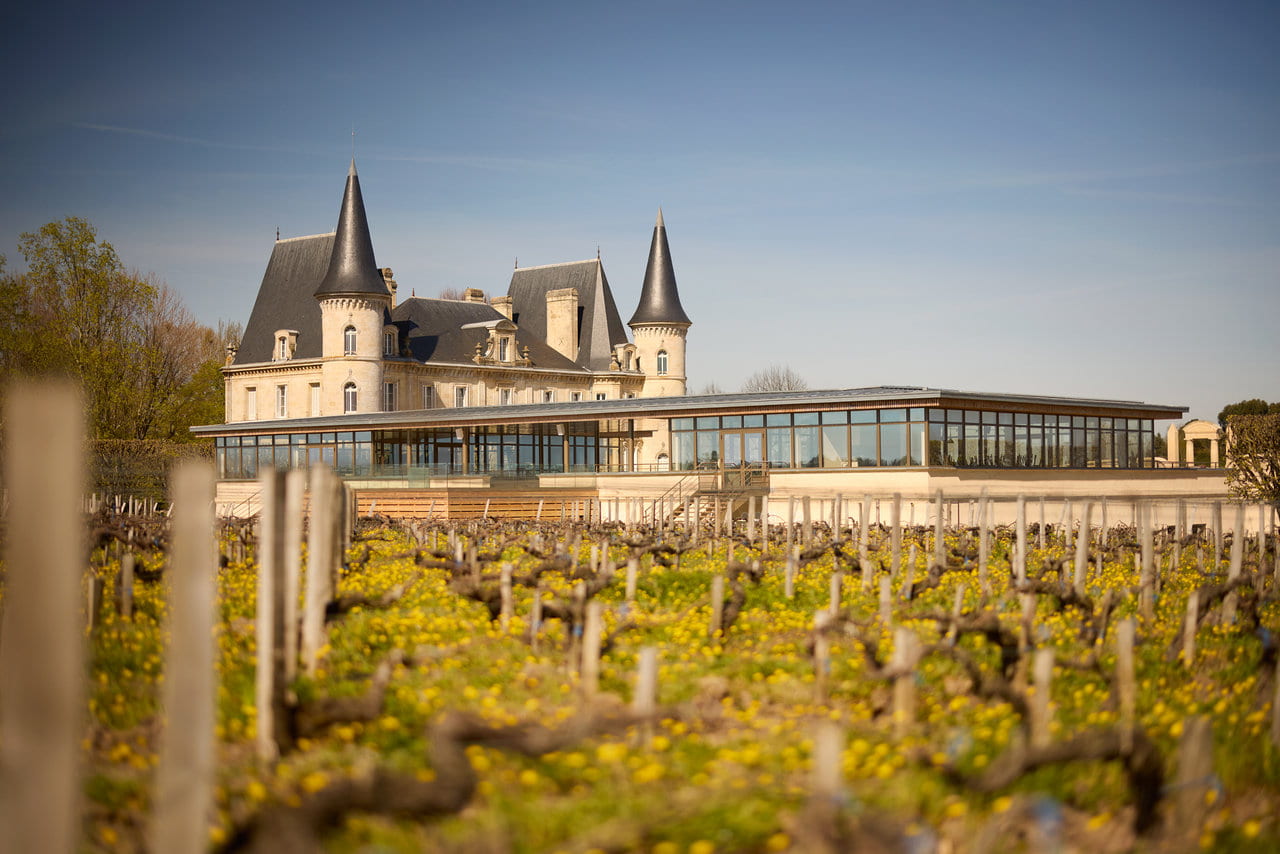
Stand on the gravel path facing the neoclassical entrance to capture the symmetry of the columns and the reflection in the front pond. This spot requires a booking as part of your bordeaux wine tours private experience.
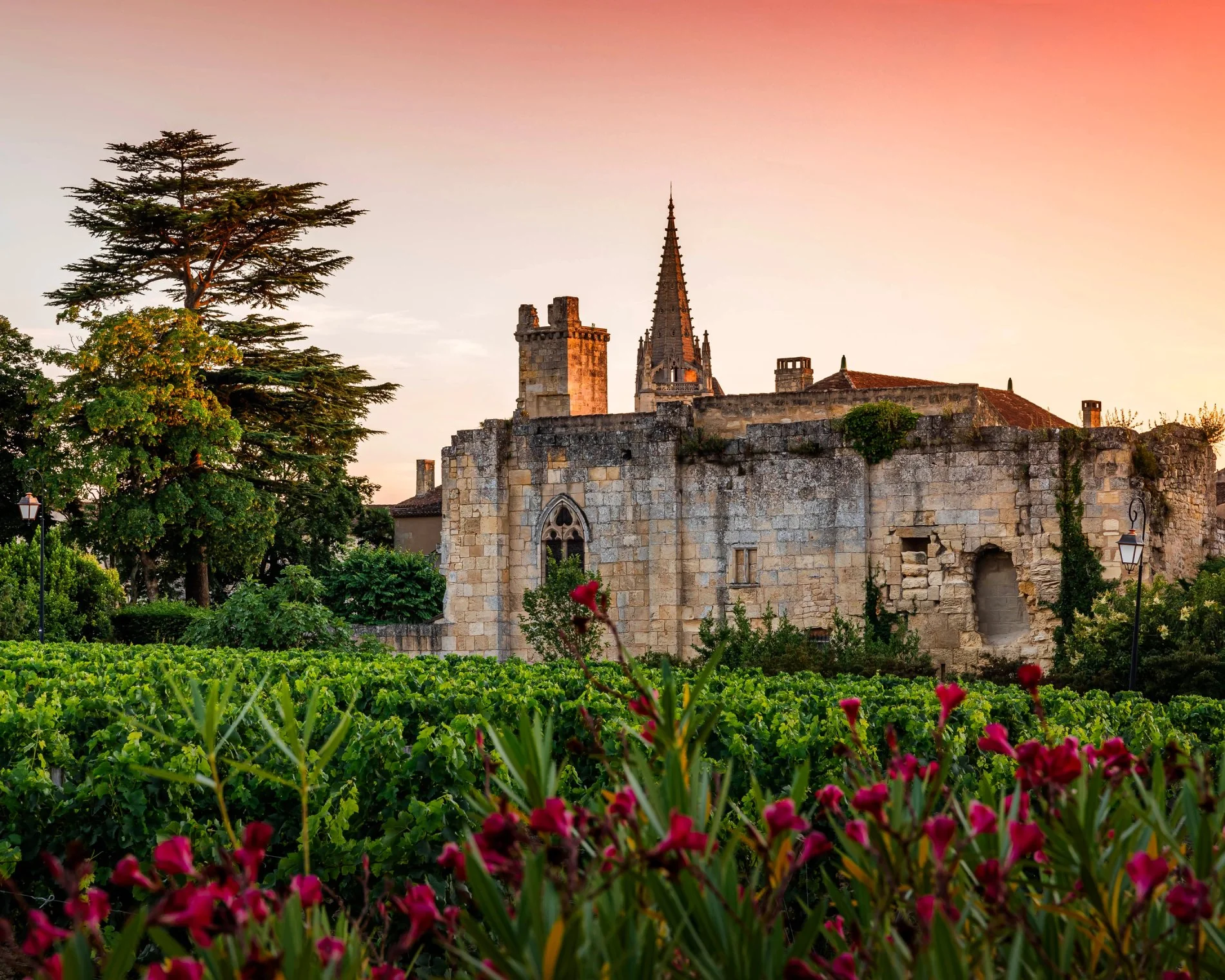
Capture the panoramic view of the limestone rooftops and surrounding vineyards from the top of this medieval landmark. Access is limited to guided entry points within the village.
Position your camera from the raised terrace to frame the gothic-inspired towers against the backdrop of manicured vines. Visitors often prioritize this angle during a bordeaux wine tours private tour.
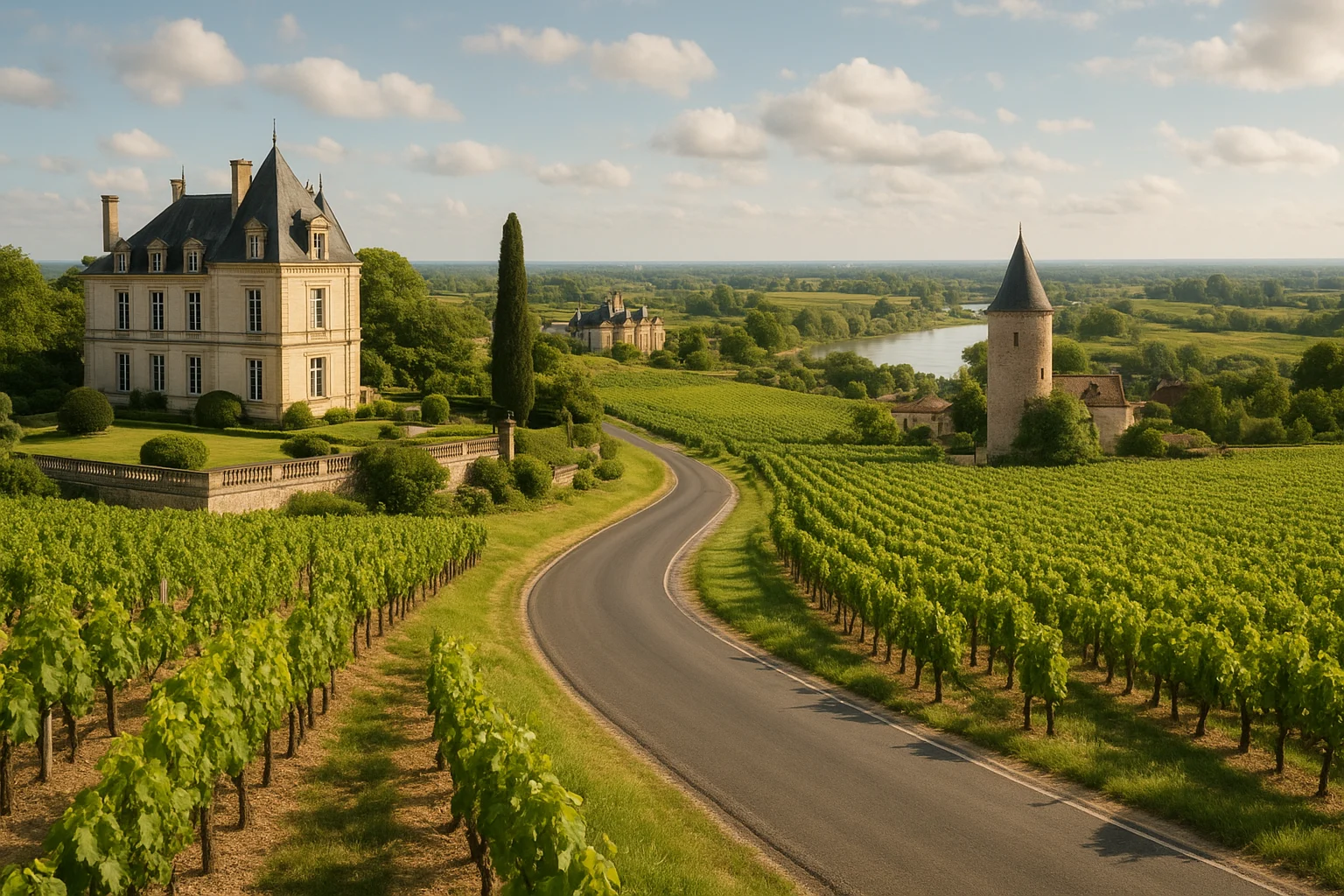
Walk to the edge of the access road where the soil texture and vine alignment create leading lines toward the horizon. This location is easily accessible when arriving via bordeaux wine tours private tickets.
Exploring the countryside with children requires careful planning, as many estates offer a refined atmosphere suited for bordeaux wine tours private experiences. While the region is expansive, most parents find that selecting one or two estates with outdoor space creates a more manageable journey.
Most historic vineyards have gravel paths or uneven terrain that can be challenging for strollers, so a carrier is recommended for bordeaux wine tours private tours.
Private visits are generally better suited for older children or teens who can appreciate the agricultural history rather than younger toddlers.
Baby-change facilities are not standard at smaller chateaux, so plan your bordeaux wine tours private tickets logistics to include mid-day stops in nearby villages with public amenities.
To maintain a comfortable schedule, keep your itinerary limited to one estate per half-day to avoid fatigue during your bordeaux wine tours private tour.
Vineyards rarely provide dedicated child menus, so it is best to pack snacks or reserve lunch in local towns known for their family-friendly bistro options.
Indoor cellar tours may involve steep, slippery steps that are not suitable for children, making dry autumn days the best time for visiting the Bordeaux Wine Region.
Visitors planning bordeaux wine tours private often find that dining options range from exclusive chateau luncheons to charming village bistros near the vineyards. While many estates provide catering, independent travelers frequently explore local gastronomic hubs in Saint-Émilion after their bordeaux wine tours private tours conclude.
Located in the heart of Saint-Émilion, this restaurant offers refined regional cuisine that pairs well with local vintages. It serves as a popular stop for those finishing their bordeaux wine tours private tour.
This historic wine bar and restaurant provides a relaxed atmosphere for light lunches near medieval landmarks. It is an ideal spot to enjoy a glass of Sauternes or Médoc wine before accessing your bordeaux wine tours private tickets.
Situated near the famous monolithic church, this venue specializes in seasonal market-fresh ingredients. Its elevated terrace offers a serene setting for travelers looking to reflect on their vineyard explorations.
Everything you need to know for your journey
The Bordeaux Wine Region does not have set operating hours for public access, but wineries operate by appointment. Please visit the official site for regional guidance.
There is 0 EUR entrance fee for the region itself, as private wine tours are booked independently.
Yes, advance appointments are required for all bordeaux wine tours private experiences.
Private transit is highly recommended to reach estates, as most lack public accessibility features.
Guests should check with their specific operator, as most estates limit bags inside production areas.
Personal photography is usually permitted outdoors, but check with the host at each estate.
Autumn is excellent for visiting during the harvest, following the recommended 09:00–17:00 arrival window.
Smart casual attire is standard for high-end châteaux tours.
Check individual estate policies, as some restrict children near active production equipment.
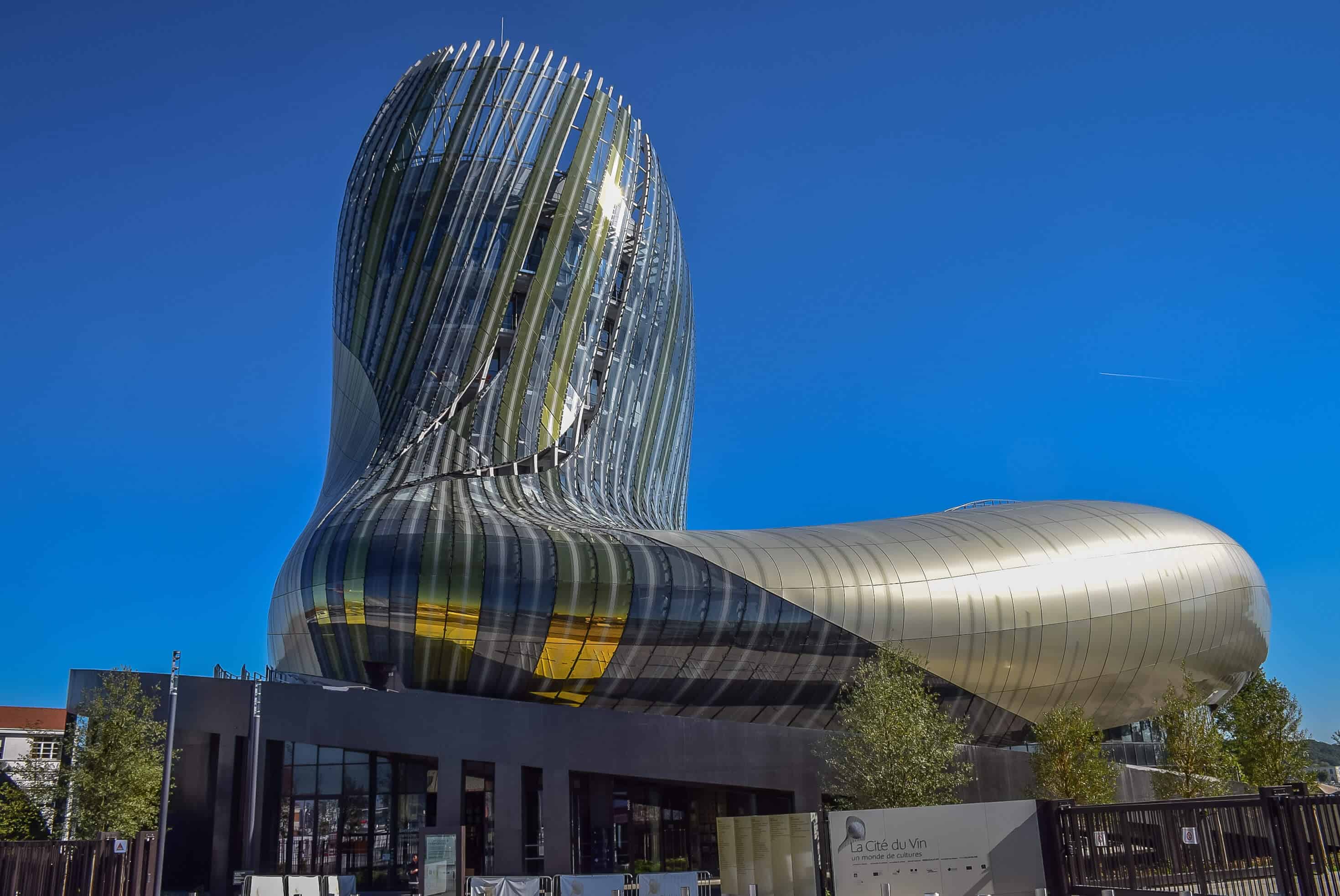
Interactive wine history exhibition
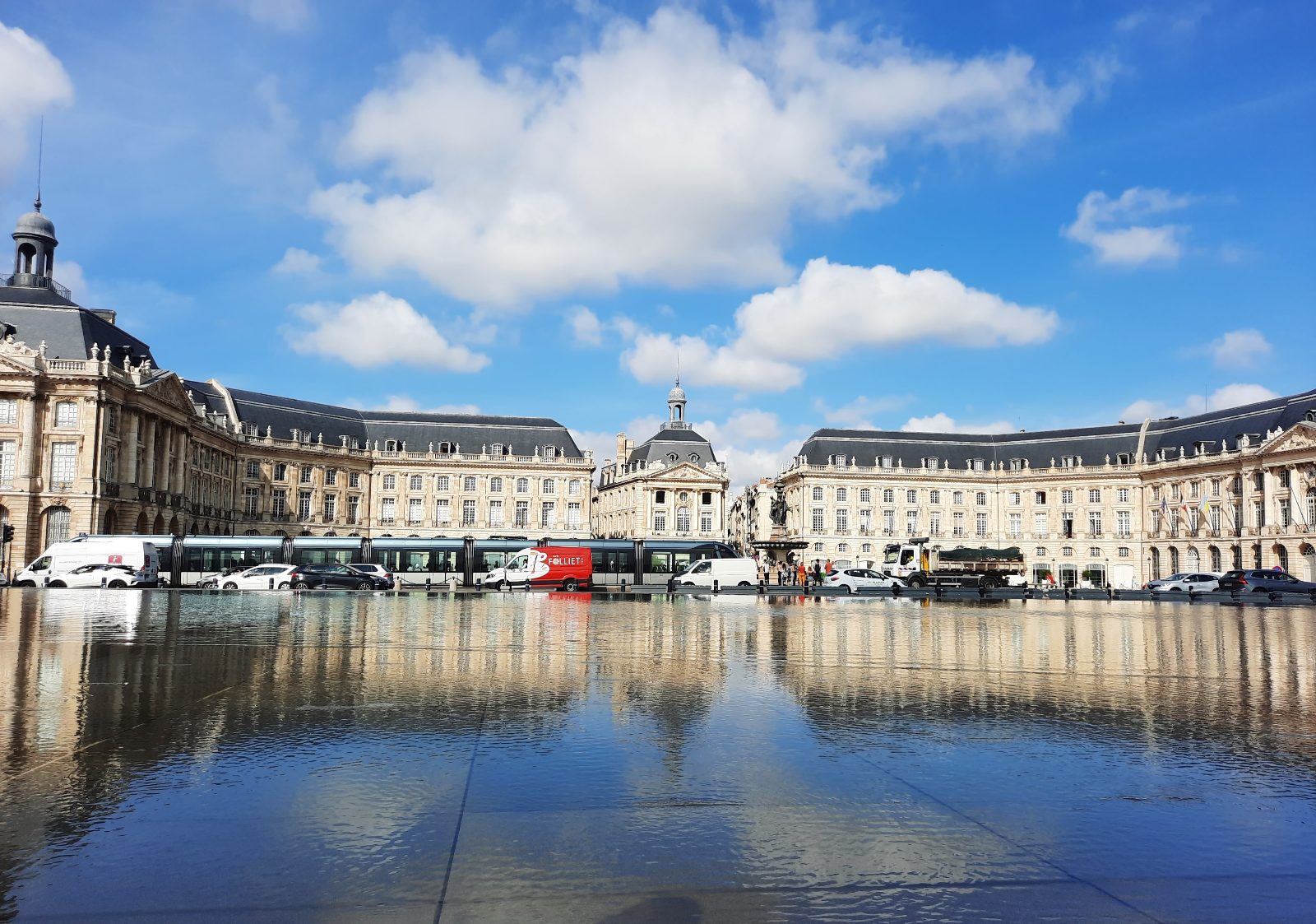
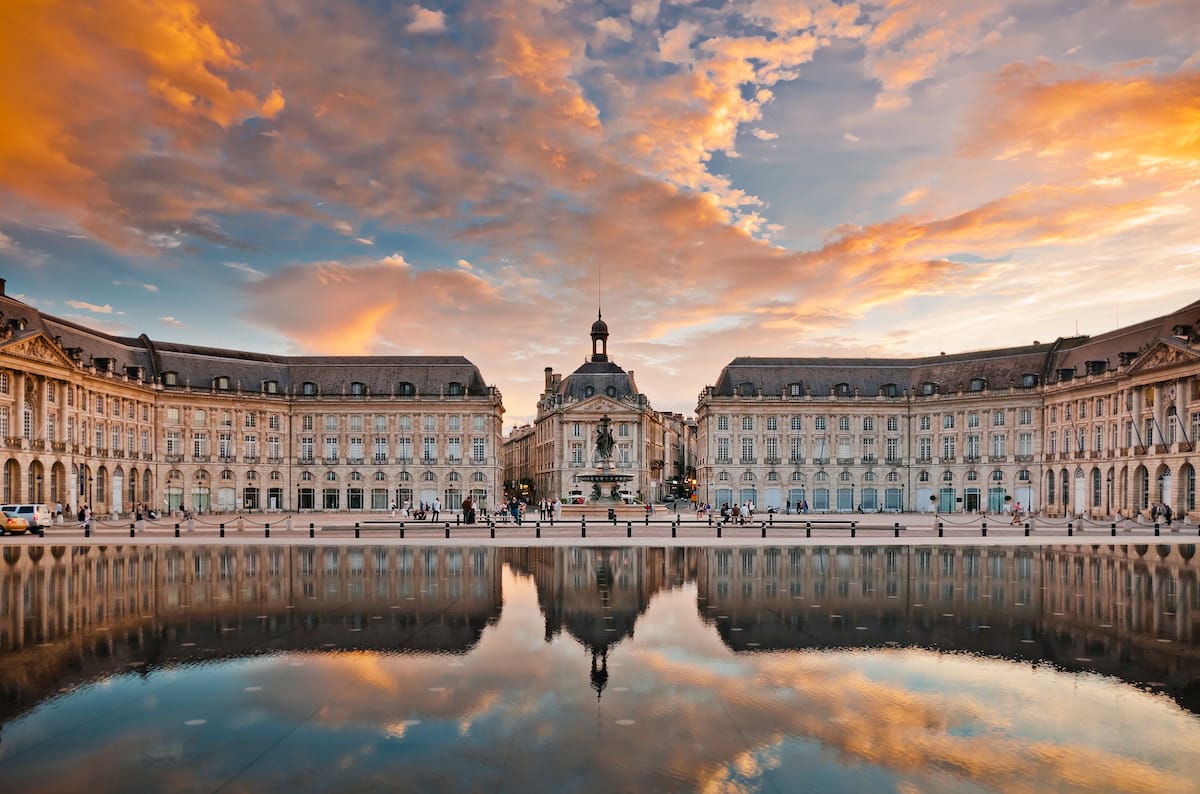
Famous reflecting pool architecture
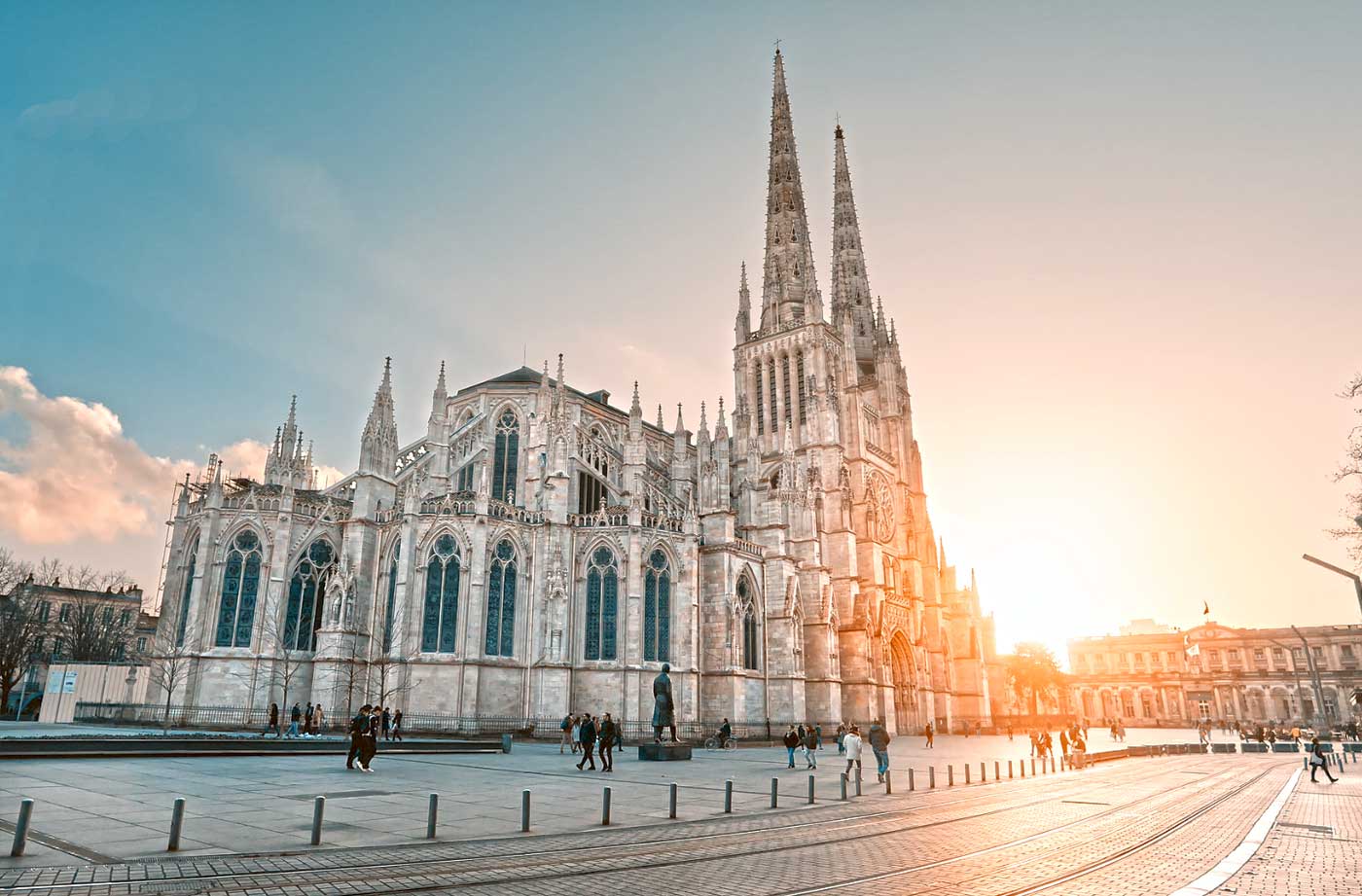
Gothic religious site in the center
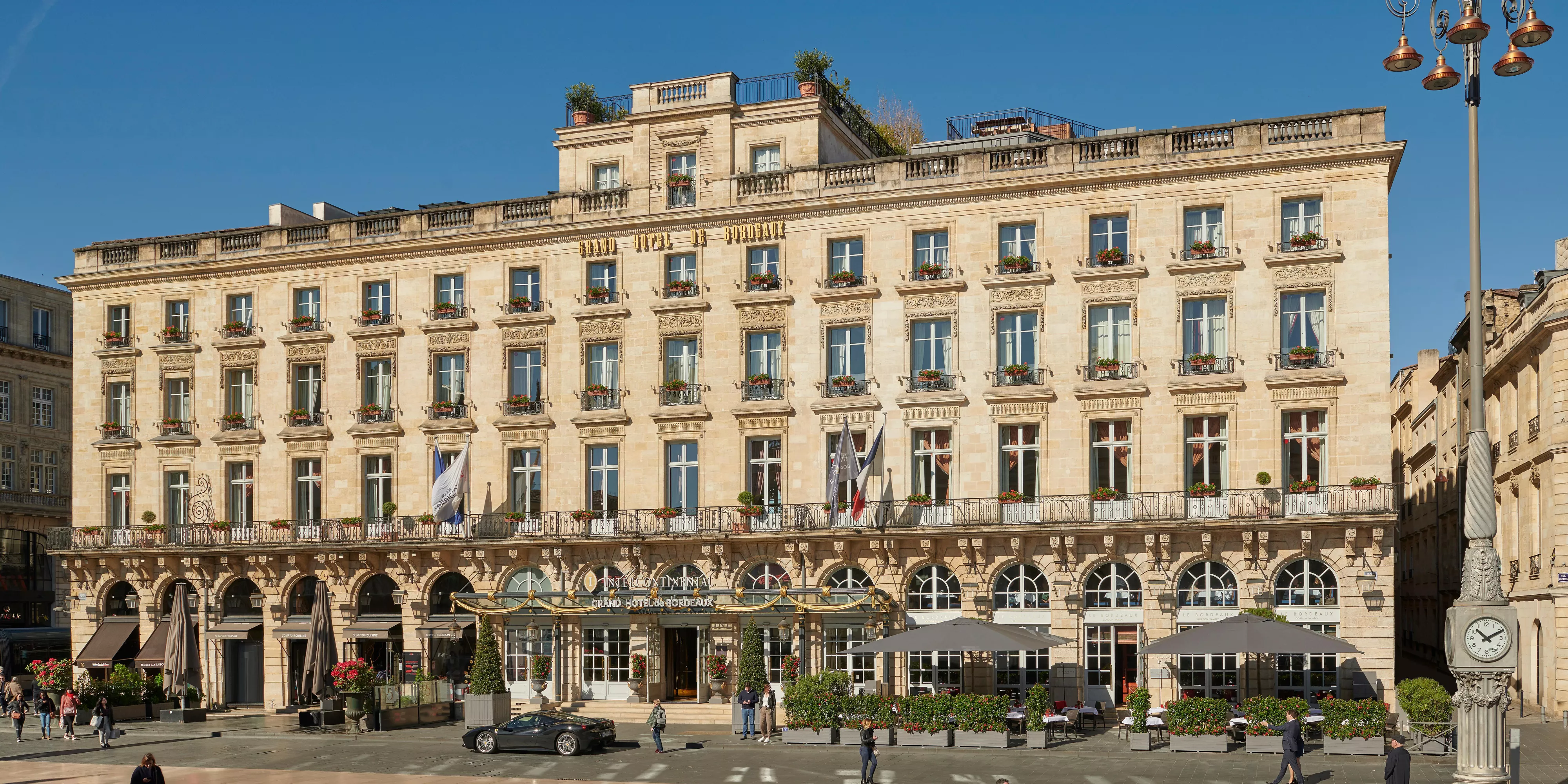
Historic building near the Opera House
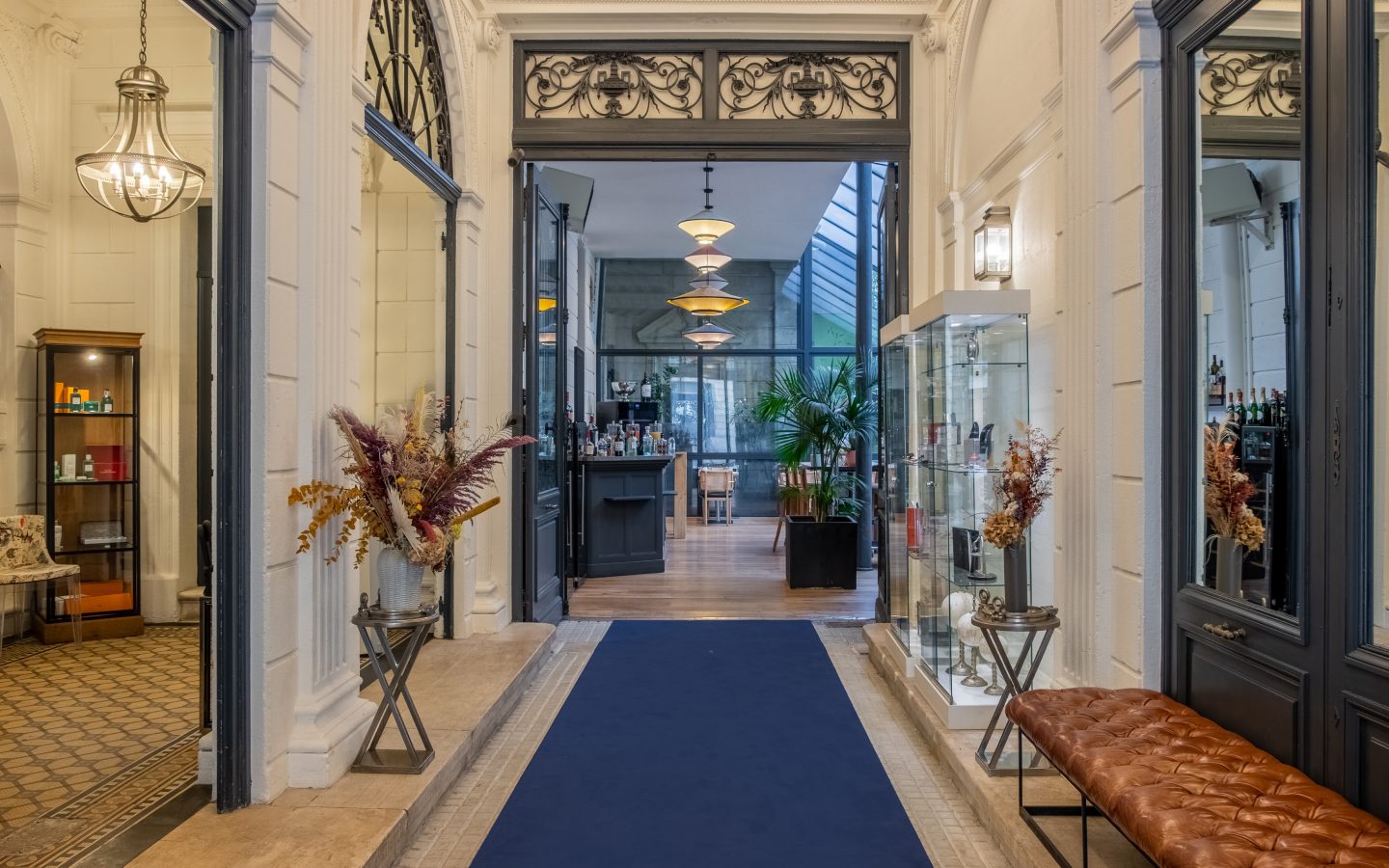
Stylish rooms in the city center
General selection of central lodging
Join thousands of happy travelers who have discovered this incredible experience
Book Your Experience Now