
Quick answer
Bordeaux wine tourism operates through two parallel systems: the urban cluster around Cité du Vin (open daily 10:00–19:00, 23 EUR entry with tasting) and the surrounding château network requiring advance reservations. Most estates accept visitors between April and October, with harvest season in September creating both access restrictions and cellar-door opportunities. The best arrival window for Cité du Vin is 10:00–16:00, allowing 2–3 hours before closing.
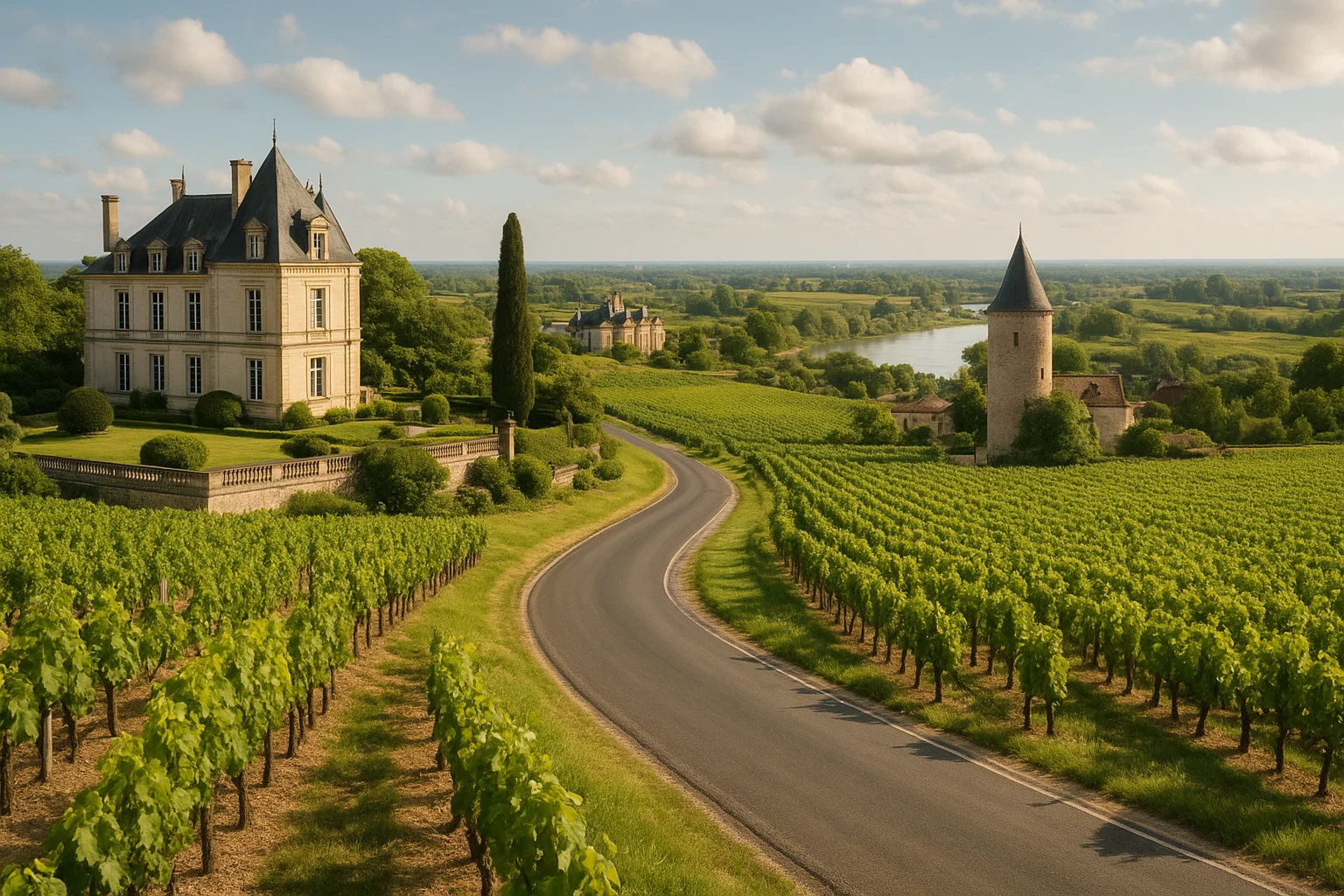
Bordeaux produces one quarter of France's quality wine yet receives a fraction of the foot traffic that floods Champagne or Burgundy. The explanation lies in geography: the region's appellations—Médoc, Pauillac, Saint-Émilion, Pomerol, Graves, Sauternes—stretch across a 100-kilometer north-south axis with no single concentration point. Visitors navigate two distinct experiences that rarely overlap in a single day. The urban wine quarter centers on Cité du Vin, a 13,350-square-meter museum at 134 Quai de Bacalan that opened in 2016 as a global wine interpretation center. Its permanent exhibition traces viticulture across continents through sensory stations, and the eighth-floor Belvedere offers tasting access to 20 rotating appellations. The facility anchors a redeveloped waterfront district where négociant tasting rooms and wine bars occupy converted warehouses. This infrastructure solves the access problem for visitors without advance château bookings or private transport. The château network operates on a different cadence. Classified estates in Pauillac and Margaux require reservations weeks ahead during peak season, with tours priced between 15 and 60 euros depending on the cellar's ranking. Saint-Émilion offers walk-in tasting rooms in the medieval village core, making it the most accessible appellation for spontaneous visits. The Route des Châteaux through Médoc connects properties via D2 highway, but without designated bike lanes or bus service—rental cars dominate. Harvest timing reshapes Bordeaux wine tourism each September. Estates pause public tours to focus on picking and fermentation, though some offer harvest observation slots. The trade-off creates gaps in availability but delivers access to operational cellars rather than staged presentations. Shoulder months—April through June, then October—balance open-door access with moderate crowds. Bordeaux wine tourism rewards advance planning more than other French wine regions. The scale prevents spontaneous vineyard hopping, and the prestige estates maintain controlled-access models. The Cité du Vin functions as the entry point for visitors building wine literacy before committing to château itineraries, while the appellations themselves require transport logistics and appointment coordination that favor multi-day stays over day trips.
“The region produces one quarter of France's quality wine yet receives a fraction of the foot traffic that floods Champagne, an imbalance explained entirely by geography.”
Opening Hours for Bordeaux Wine Tourism at La Cité du Vin
La Cité du Vin is open daily to accommodate regional wine tourism itineraries.
| Monday | 10:00–19:00 | |
|---|---|---|
| Tuesday | 10:00–19:00 | |
| Wednesday | 10:00–19:00 | |
| Thursday | 10:00–19:00 | |
| Friday | 10:00–19:00 | |
| Saturday | 10:00–19:00 | |
| Sunday | 10:00–19:00 |
Navigating Bordeaux Wine Tourism: Getting to La Cité du Vin
La Cité du Vin is located at 134 Quai de Bacalan, 33300 Bordeaux, France. It is situated along the Garonne River and is easily accessible via the city's public transport network.
Line B to Cité du Vin station
Line 7 or 32 to Cité du Vin stop
Bat3 shuttle to La Cité du Vin pontoon
Direct service to 134 Quai de Bacalan
The Best Time for Bordeaux Wine Tourism Visits
To experience the region effectively, the best arrival window is 10:00–16:00, which ensures sufficient time for the 2–3 hour exhibition before closing. Planning your visit within this period allows for a comprehensive exploration of the wine culture.
May to June
ModerateMild, 15°C to 23°C
Vines are lush and greenery is vibrant. This period precedes the peak summer heat and tourist volume.
July to August
HighWarm, 18°C to 28°C
Expect higher temperatures and larger crowds at major sites. Advance planning is necessary for all activities.
September to October
ModerateMild, 13°C to 22°C
Harvest season provides a unique look at local production. Temperatures are comfortable for touring vineyards.
Weekday mornings
Low—
Arriving between 10:00 and 12:00 minimizes wait times. Mid-week visits offer a quieter environment for reflection.
Verdict: The best time for a visit is Tuesday to Thursday, arriving between 10:00 and 12:00, during the months of May or October.
Combining Bordeaux Wine Tourism with Local Sights
Visitors often pair their visit to La Cité du Vin with explorations of Bordeaux's industrial heritage and nearby cultural landmarks along the Garonne river. These locations provide geographical and historical context to the regional wine culture.
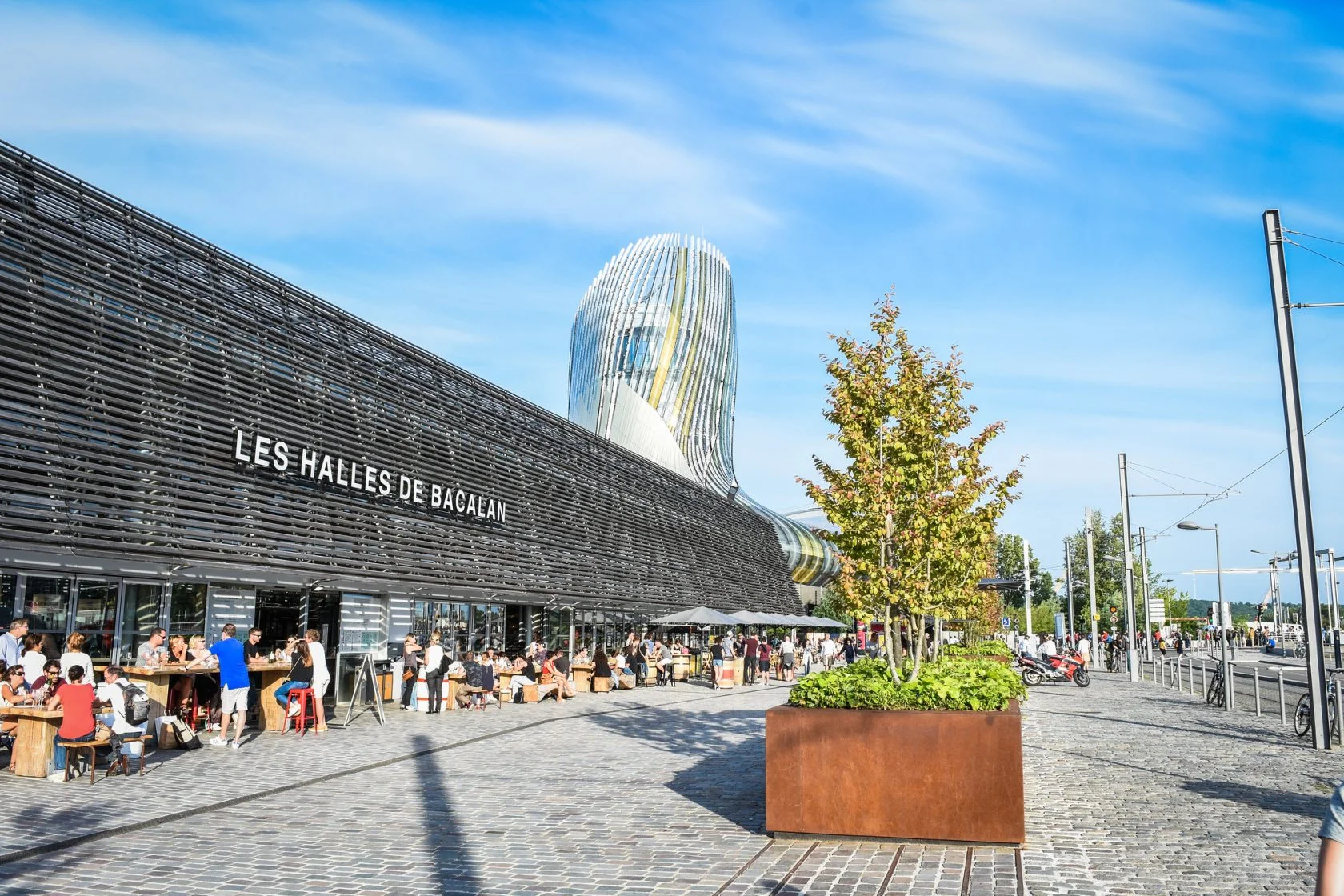
Les Halles de Bacalan
Located directly across from the site, this market offers regional culinary specialties that complement a wine-focused itinerary.
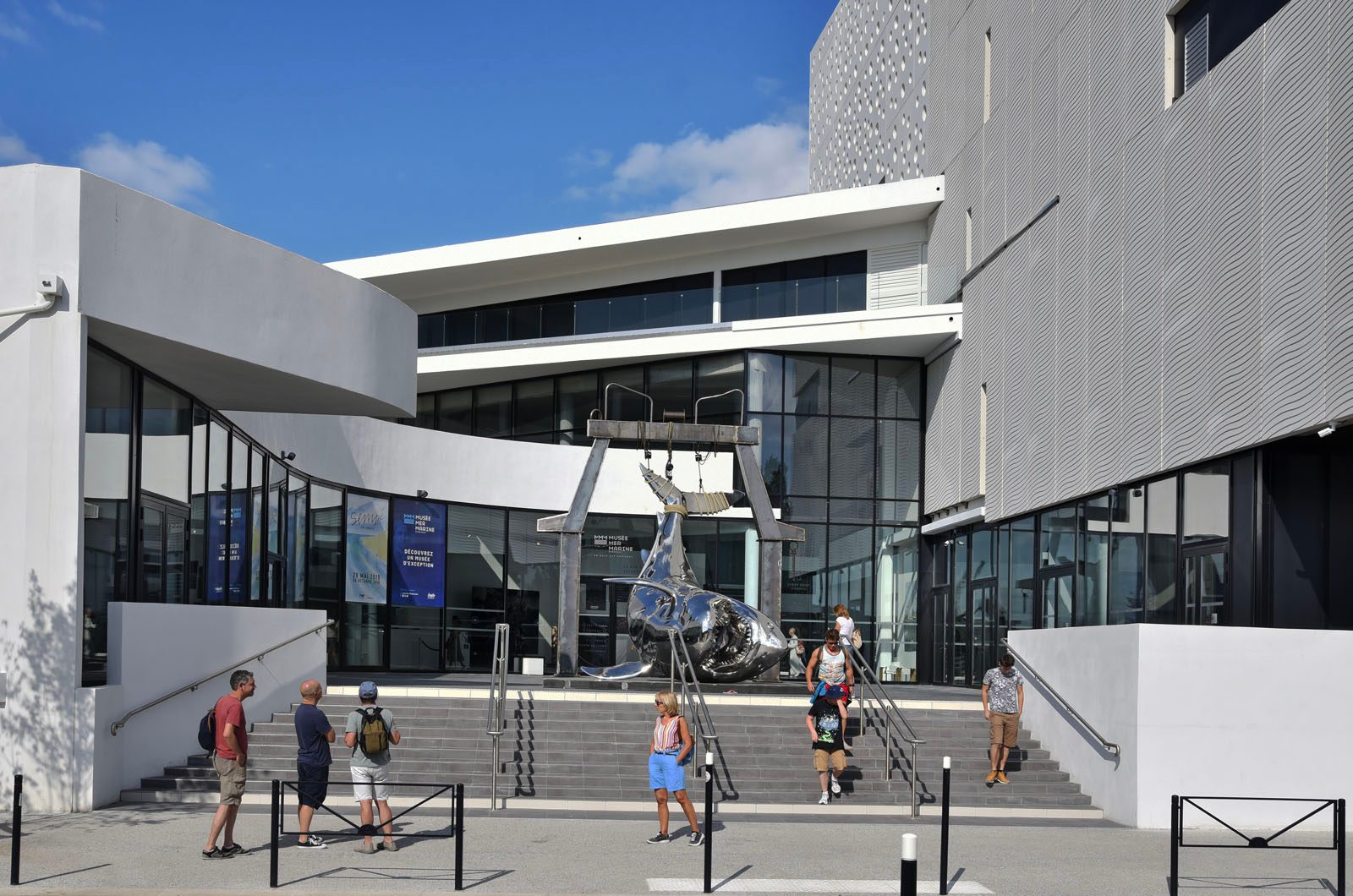
Musée Mer Marine
This museum explores maritime history and navigation, offering a broader view of the river trade that historically supported the wine export economy.
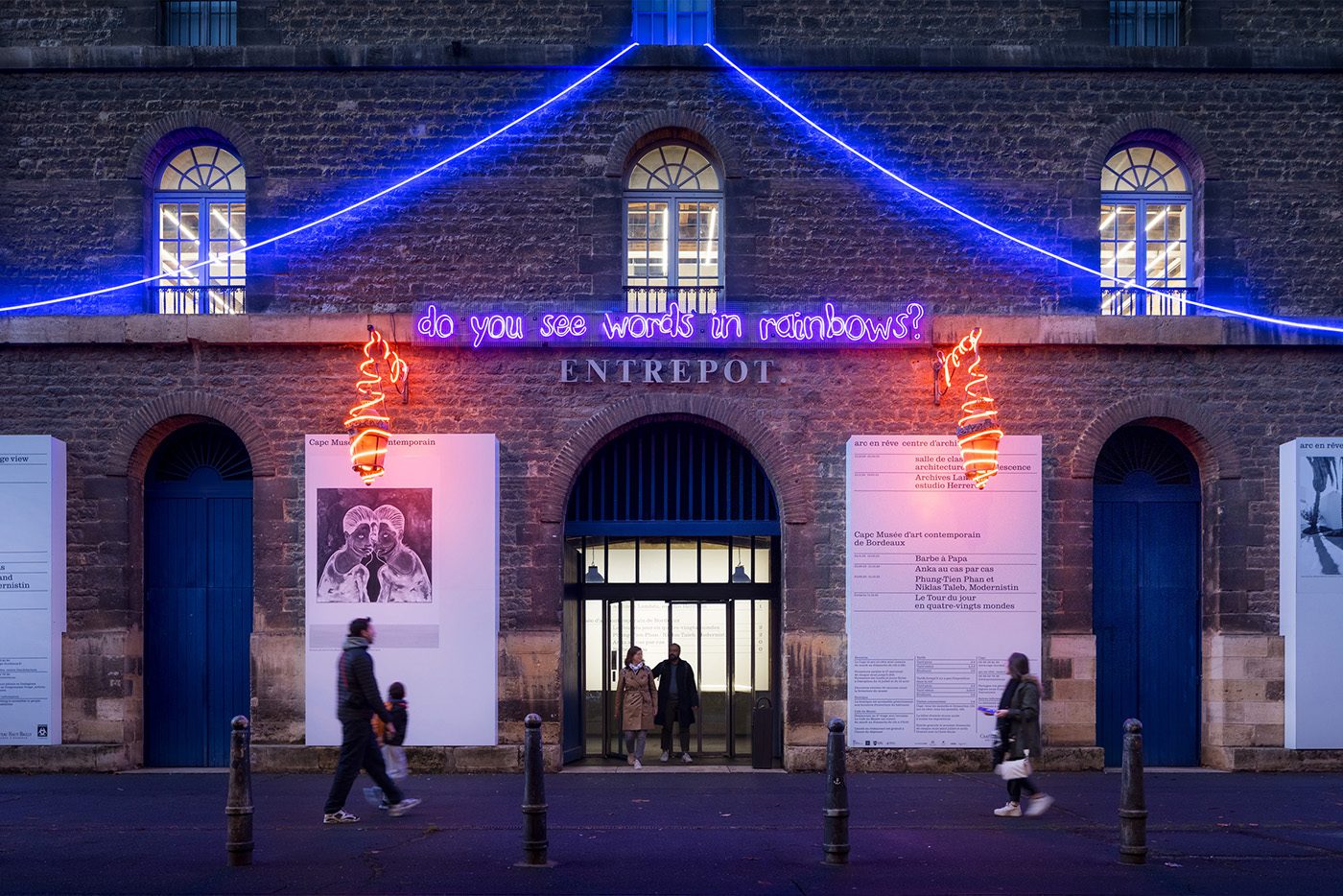
CAPC musée d'art contemporain
Housed in a former colonial warehouse, this contemporary art space reflects the transformation of Bordeaux’s historic port architecture.
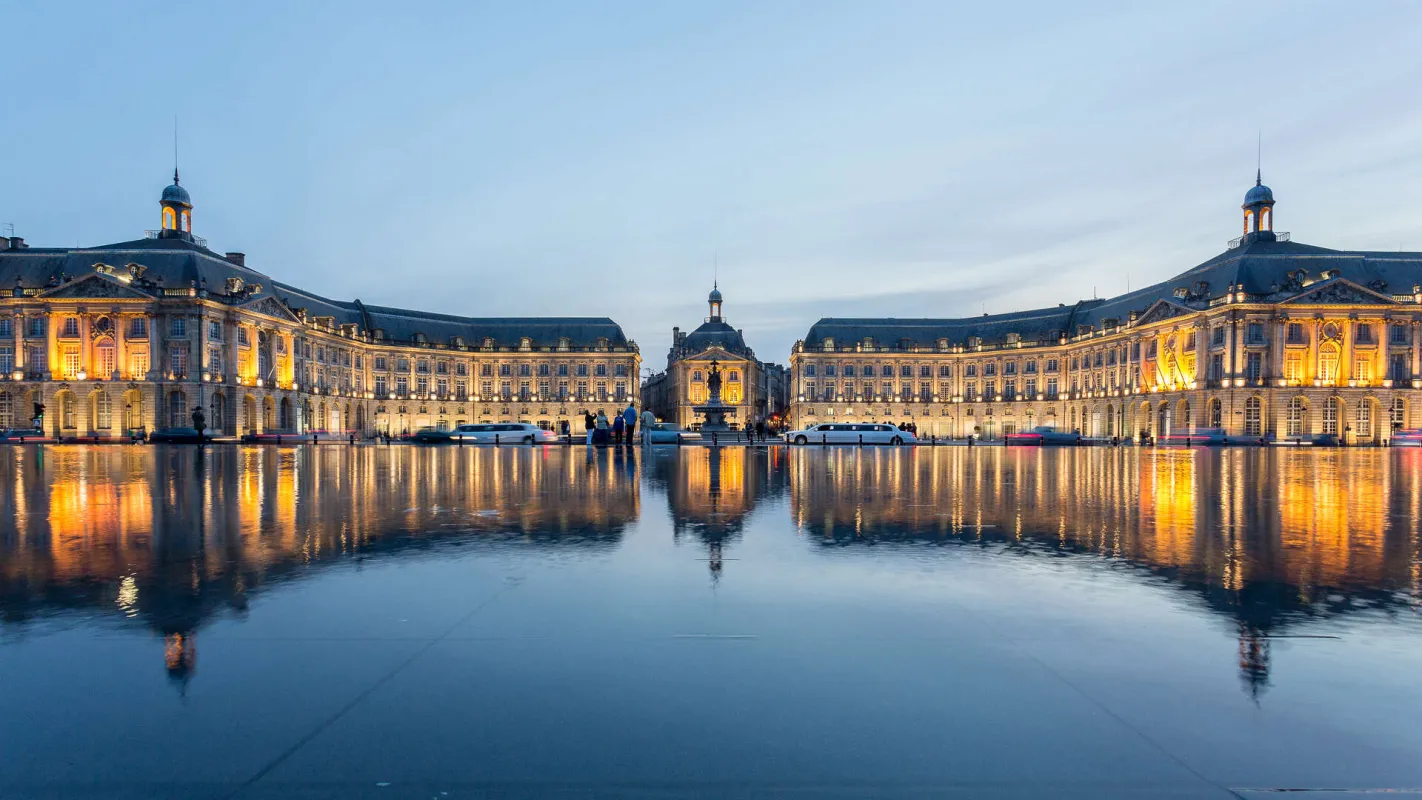
Place de la Bourse
A short journey along the river leads to this historic square, showcasing the architectural evolution of the port city and its connection to the Garonne.
Check availability
Frequently asked questions about bordeaux wine tourism
Everything you need to know about bordeaux wine tourism